
DR Congo Ebola Outbreak Kills 131, WHO Declares Emergency

WHO declares international health emergency as Ebola outbreak in Democratic Republic of Congo claims at least 131 lives. Learn about the crisis.
The World Health Organization (WHO) has officially declared the ongoing Ebola outbreak in the Democratic Republic of Congo as an international public health emergency, marking a significant escalation in the global response to the rapidly spreading disease. This critical declaration comes as confirmed cases and deaths continue to mount across affected regions, prompting international health agencies to mobilize resources and coordinate prevention strategies. The designation underscores the severity of the situation and the potential for further transmission across borders if containment measures are not immediately strengthened.
According to official reports from health authorities in the Democratic Republic of Congo, at least 131 people have lost their lives to the Ebola virus disease since the outbreak was first identified. The death toll represents a substantial loss of life and reflects the virus's high fatality rate when left untreated or when access to proper medical care is limited. Healthcare workers and epidemiologists are working around the clock to identify new cases, trace contacts, and implement quarantine protocols to prevent further transmission within affected communities.
The Ebola epidemic has demonstrated its capacity to cross international boundaries with alarming speed. The disease has spread to multiple countries both within and beyond the West African region, including Guinea, Sierra Leone, the United States, the United Kingdom, and Italy. This geographic dispersion highlights the interconnected nature of global health threats and the challenges faced by nations attempting to contain infectious diseases in an increasingly mobile world.
The previous major Ebola outbreak that affected West Africa resulted in catastrophic loss of life, claiming 11,325 lives across multiple countries over several years. That devastating epidemic served as a sobering reminder of the virus's deadly potential and the importance of rapid, coordinated international response. The current situation in the Democratic Republic of Congo has prompted governments and health organizations worldwide to review and strengthen their pandemic preparedness protocols based on lessons learned from past outbreaks.
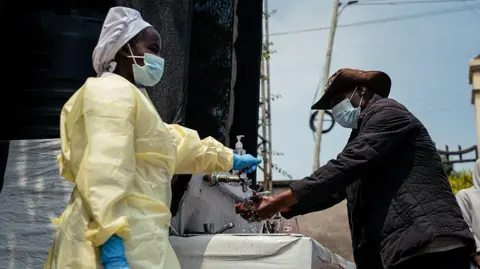
International health authorities are emphasizing the critical importance of early detection and rapid response measures in controlling the spread of Ebola transmission. Healthcare facilities in affected areas are implementing enhanced infection control procedures, training medical staff in proper protective equipment usage, and establishing isolation units specifically designed to treat Ebola patients safely. These measures are essential to protecting both patients and healthcare workers who face significant occupational risk when treating infected individuals.
The declaration of an international emergency triggers several important protocols and resource allocations under international health regulations. It signals to the global community that this outbreak poses a potential public health risk beyond the immediate affected regions and requires coordinated international action. The WHO can now implement emergency procedures to facilitate the sharing of diagnostic tests, medical countermeasures, and expert personnel across borders to support affected nations.
Surveillance systems have been activated across neighboring countries and in international transit hubs to monitor for potential cases and prevent disease spread through travel. Public health authorities are working to identify and monitor all contacts of confirmed cases, implementing quarantine periods to prevent transmission to susceptible populations. Education campaigns are being deployed to raise awareness about symptoms, transmission routes, and the importance of seeking medical care at authorized health facilities rather than relying on traditional remedies.
The Ebola virus spreads through direct contact with blood or body fluids of infected individuals or with surfaces contaminated by these fluids. It can also spread through contact with infected animals, particularly fruit bats, which are considered the natural reservoir for the virus. Understanding these transmission pathways is crucial for developing effective prevention strategies that address both human-to-human and zoonotic transmission risks.
Access to appropriate medical care remains a significant challenge in many affected regions, where healthcare infrastructure is already strained by limited resources and competing health priorities. Early supportive care including rehydration, maintaining blood oxygen and blood pressure levels, and treating specific complications significantly improves survival rates. However, many patients in remote areas lack access to these life-saving interventions, contributing to higher mortality rates in some populations.
The international community's response includes mobilizing financial resources, deploying expert epidemiologists and medical personnel, and facilitating rapid technology transfer for diagnostic and therapeutic development. Research institutions worldwide are accelerating work on Ebola vaccines and experimental treatments that could help control the outbreak and prevent future cases. The urgency of the situation has prompted expedited clinical trial protocols and emergency use authorizations for promising medical interventions.
Public trust and community cooperation are essential elements in controlling the outbreak, yet misinformation and fear can undermine these efforts. Health authorities are engaging community leaders, traditional healers, and local organizations to build understanding and trust in response measures. Open communication about disease transmission, available treatments, and the importance of reporting symptoms early is vital to gaining public support for necessary containment strategies.
Source: BBC News

