
Drones Transform Colombian Warfare

Weaponized drones are reshaping Colombia's decades-long conflict, leaving civilians increasingly vulnerable to a dangerous new form of attack.
Colombia faces an unprecedented security crisis as weaponized drones emerge as a devastating new tool in the country's prolonged internal conflict. The introduction of drone warfare represents a significant escalation that threatens to fundamentally alter the dynamics of combat in the region, exposing civilian populations to unprecedented dangers. Military analysts and humanitarian organizations are increasingly concerned about the implications of this technological shift, which marks a troubling departure from traditional conflict methods that have defined Colombia's struggle for decades.
The tragic incident that brought international attention to this emerging threat occurred in southern Colombia during 2024, when a weaponized drone attack targeted a group of children participating in a routine Tuesday evening football match. As night descended over the Cauca region, a drone descended from the sky and released an explosive device directly onto the unsuspecting young athletes below. The blast proved instantly lethal for one 10-year-old boy and inflicted serious injuries upon 12 additional civilians caught in the immediate vicinity of the detonation.
This tragic event represents a sobering milestone in Colombia's conflict history, marking the first documented fatality from a drone strike within the nation's borders. The death of the young football player sent shockwaves through Colombian society and prompted urgent discussions among military officials, policymakers, and human rights advocates regarding the growing threat posed by unmanned aerial systems. The incident underscored how technological advancements in weaponry have created new vulnerabilities for civilian populations who find themselves caught between competing armed groups.

The emergence of drone technology in Colombia reflects broader global trends in modern warfare, where unmanned systems increasingly replace traditional military platforms. Armed groups operating within Colombian territory have gained access to commercial drone technology and have adapted it for combat purposes, creating a new dimension of threat that security forces struggle to counter effectively. The accessibility of drone technology, combined with its relatively low cost and ease of deployment, has made it an attractive option for various armed factions seeking tactical advantages in their ongoing conflict.
Humanitarian organizations working throughout Colombia have documented an alarming increase in civilian casualties resulting from drone-related incidents. The indiscriminate nature of aerial attacks raises serious concerns about compliance with international humanitarian law and established rules of engagement that are meant to protect non-combatants. As drones become more prevalent in conflict zones across the country, the distinction between military and civilian areas becomes increasingly blurred, creating dangerous situations where ordinary citizens face risks simply by conducting normal daily activities.
The implications of drone warfare extend far beyond the immediate tactical battlefield considerations. The psychological impact on civilian populations cannot be overstated, as communities living in conflict-affected areas now face threats from the sky that are difficult to predict, prevent, or defend against using conventional means. Parents have become reluctant to allow their children to play outdoors, and public gathering spaces that were previously considered relatively safe have become potential targets for aerial attacks.
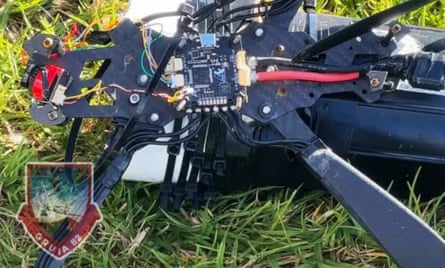
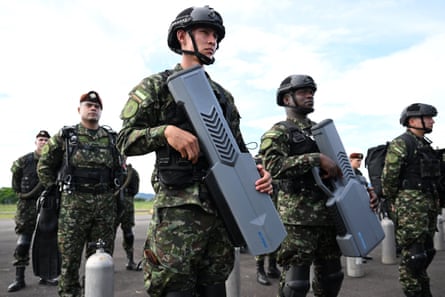
Colombia's security forces face significant operational challenges in responding to the drone threat. Traditional air defense systems designed to counter manned aircraft have limited effectiveness against small, agile unmanned systems that operate at lower altitudes and present smaller radar signatures. Military authorities have begun deploying specialized counter-drone technologies, but these systems remain expensive, difficult to maintain, and require extensive training for operators in remote and challenging terrain where much of Colombia's conflict occurs.
International observers have pointed to the sophistication of some drone operations occurring within Colombian territory, suggesting that certain armed groups may be receiving technical assistance and advanced equipment from external sources. Intelligence analysts are investigating potential connections between Colombian insurgent groups and international actors who may be providing drone technology and operational expertise. These external linkages complicate the security situation and introduce concerns about the potential for further weaponization and tactical innovation in coming months and years.
The legal and ethical dimensions of drone attacks in Colombia have become subjects of intense debate among international law experts and human rights organizations. Questions remain about accountability for operators who launch attacks that result in civilian casualties, and whether existing legal frameworks adequately address the unique challenges posed by unmanned aerial warfare. The absence of clear protocols for investigating drone-related incidents and holding responsible parties accountable represents a significant gap in Colombia's justice system.
Local communities throughout southern Colombia are implementing adaptive strategies to cope with the drone threat. Residents have organized warning systems and established protocols for rapid dispersal when aerial threats are detected. Civil society organizations are documenting incidents and gathering evidence that may eventually be used in accountability mechanisms. These grassroots efforts demonstrate the resilience of Colombian communities while also highlighting the inadequacy of state responses to this emerging security challenge.
Regional governments and national authorities have announced plans to bolster air defense capabilities and increase military resources dedicated to counter-drone operations. Investment in surveillance technology, intelligence gathering, and rapid response teams represents an attempt to mitigate the threat posed by weaponized drones. However, experts caution that technological solutions alone cannot address the underlying factors that drive armed conflict and the proliferation of sophisticated weapons systems within Colombian territory.
The integration of drone technology into Colombia's conflict represents a troubling indicator of how modern warfare continues to evolve in ways that disproportionately affect civilian populations. As armed groups gain access to increasingly sophisticated unmanned systems, the challenge of protecting non-combatants becomes more complex and demanding. The tragedy in Cauca serves as a stark reminder of the human costs associated with technological innovation in warfare and the urgent need for comprehensive strategies that address both the immediate security threat and the underlying drivers of Colombia's prolonged internal conflict.
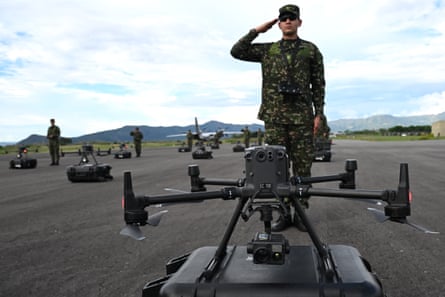
Moving forward, Colombia will require sustained international attention and support to address the challenge posed by weaponized drones. Cooperation with international partners regarding drone surveillance, technology transfer controls, and capacity building will be essential for developing effective counter-measures. The ultimate resolution of this crisis depends not merely on military responses but on comprehensive peace-building initiatives that can address the root causes of conflict and create sustainable conditions for civilian safety and genuine security throughout the nation.
Source: The Guardian


