
Droughts Fuel Alarming Rise in Antibiotic Resistance

New study uncovers surprising link between drought conditions and the spread of antibiotic-resistant bacteria, highlighting an urgent need to address this growing crisis.
Droughts have long been a threat to human health and the environment, but a new study in Nature Microbiology has uncovered an alarming connection between drought conditions and the rise of antibiotic resistance among harmful bacteria.
For decades, scientists have understood that the overuse and misuse of antibiotics in medicine and agriculture has accelerated the natural evolutionary process by which bacteria develop defenses against these life-saving drugs. However, this latest research suggests that climate change and its associated droughts may be playing an equally significant role in fueling the antibiotic resistance crisis.
The study, led by a team of microbiologists and ecologists, examined soil samples from regions around the world that had experienced varying degrees of drought over time. Their analysis revealed that during periods of water scarcity, bacteria in the soil were far more likely to exhibit resistance to a wide range of antibiotic compounds.
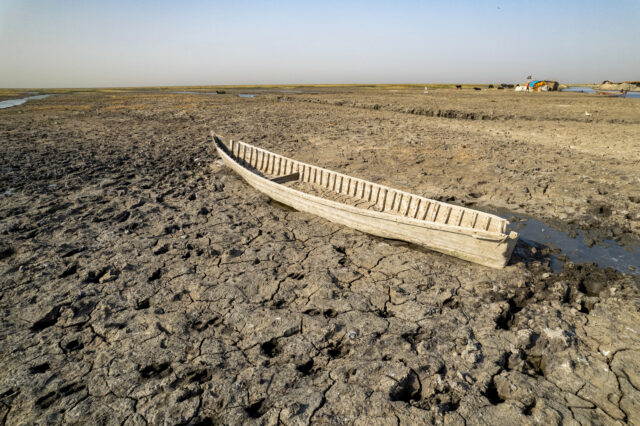
The researchers believe this trend is driven by the bacteria's evolutionary imperative to survive in harsh, resource-limited environments. When faced with drought conditions, these microbes are compelled to develop defenses against the chemical "weapons" they encounter in the soil, including the natural antibiotics produced by competing bacteria, as well as the synthetic antibiotics introduced by human activities.
"Drought essentially forces these bacteria to 'arm up' in order to outcompete their neighbors and secure scarce resources," explained lead author Dr. Samantha Greenfield. "In the process, they're also building resistance to the antibiotics we rely on to treat infections. It's a deeply concerning feedback loop that we need to address with urgency."
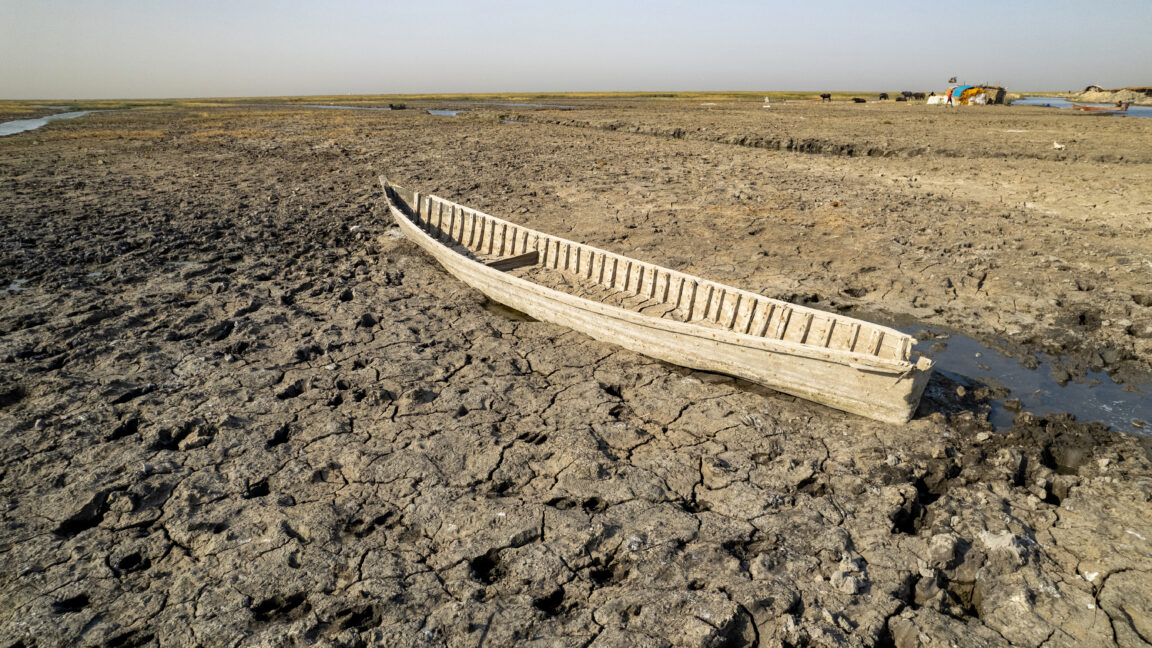
The findings underscore the urgent need for a more holistic, ecosystem-based approach to combating antibiotic resistance. While continued efforts to curb unnecessary antibiotic use in healthcare and agriculture remain critical, policymakers and public health officials must also consider the role of climate change and other environmental factors in exacerbating this global crisis.
"We can't simply focus on the clinical side of this problem," warned Dr. Greenfield. "We have to look at the bigger picture and address the underlying drivers, whether that's overuse of antibiotics or the impacts of a warming, drying climate. The future of modern medicine depends on it."

As extreme weather events become more frequent and severe, the study's authors call for immediate action to mitigate climate change and build resilience in vulnerable communities. Only by tackling this crisis from multiple fronts can we hope to preserve the effectiveness of our dwindling arsenal of antibiotic treatments and protect public health for generations to come.
Source: Ars Technica


