
Drug Testing Strips Cut: Expert Warning on Fatal Consequences

Trump administration restricts federal funding for fentanyl test strips. Public health experts warn the policy shift away from harm reduction could lead to more overdose deaths.
The Trump administration's recent decision to curtail federal funding for substance testing strips has ignited significant concern among public health professionals, addiction specialists, and harm reduction advocates across the country. The Substance Abuse and Mental Health Services Administration (SAMHSA) issued a directive in April that fundamentally restructures how federal dollars can be allocated, explicitly prohibiting the use of its funding to purchase or distribute critical drug testing resources that have become essential tools in combating the nation's overdose crisis.
According to the official guidance issued by SAMHSA, federal funding cannot be channeled toward acquiring or distributing fentanyl test strips, xylazine detection kits, medetomidine test strips, or any other drug testing equipment. This represents what officials have characterized as a deliberate "clear shift away from harm reduction" strategies that have been implemented and refined over the past decade. The policy change signals a significant departure from evidence-based approaches that public health agencies have increasingly embraced to reduce fatal overdoses and connect vulnerable populations with treatment resources.
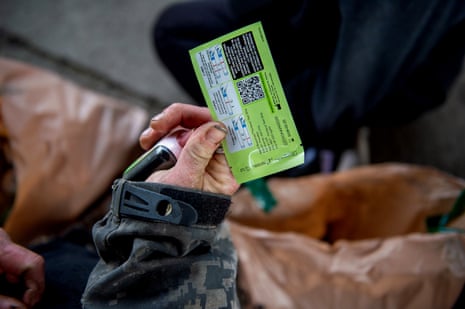
Public health experts and addiction medicine specialists have responded with alarm to this funding restriction, warning that the consequences could be catastrophic. Many have specifically cautioned that the policy "is going to kill people," highlighting the critical role that test strips play in preventing accidental overdose deaths. These inexpensive tools provide individuals who use substances with the ability to detect the presence of potent synthetic opioids like fentanyl and emerging drugs before consumption, enabling them to take precautions or seek medical assistance.
The timing of this policy reversal coincides with an unprecedented public health emergency. Fentanyl and its analogs have become the leading cause of overdose deaths in the United States, claiming tens of thousands of lives annually. The drug has infiltrated virtually every illicit drug supply, often without users' knowledge, dramatically increasing the risk of fatal overdoses. Xylazine, an animal tranquilizer that has emerged as a major threat, is increasingly mixed with opioids and has complicated emergency response and treatment protocols, as it does not respond to traditional overdose reversal medications like naloxone.
Harm reduction organizations and public health departments that have relied on SAMHSA funding to distribute test strips now face significant operational challenges. Many community-based programs, syringe services initiatives, and overdose prevention efforts depend on federal grants to maintain their services. The restriction on test strip funding forces these organizations to redirect limited resources or discontinue services that have demonstrated measurable success in preventing overdose deaths and linking individuals to treatment programs.
The policy represents a fundamental shift in federal drug policy philosophy. Harm reduction approaches, which focus on reducing the negative consequences of substance use without necessarily requiring immediate abstinence, have gained acceptance among mainstream public health institutions over the past two decades. The Centers for Disease Control and Prevention, the National Institute on Drug Abuse, and numerous peer-reviewed studies have supported the effectiveness of drug testing strips as a component of comprehensive overdose prevention strategies.
Advocates for evidence-based drug policy argue that the restrictions ignore scientific evidence demonstrating the life-saving potential of these tools. Studies have shown that individuals who use fentanyl test strips significantly reduce their overdose risk and are more likely to seek treatment services. The strips serve not only as detection devices but also as touchpoints where harm reduction workers can engage with individuals about treatment options, mental health services, and social support resources.
The xylazine crisis adds another layer of urgency to concerns about test strip restrictions. This tranquilizer has appeared in increasing concentrations across the illicit drug supply, creating what public health officials have termed a "poly-crisis." Unlike fentanyl, xylazine causes distinctive medical complications and requires alternative treatment approaches. Emergency departments have reported difficulty managing patients presenting with xylazine intoxication, and the drug's presence in illicit supplies has complicated emergency response protocols.
Medetomidine, another novel street drug that has recently emerged as a concern in the United States, compounds these challenges further. This veterinary anesthetic has begun appearing in drug supplies and poses similar risks to xylazine. The ability to detect these substances before consumption is crucial for preventing adverse medical events and overdose deaths. Restricting access to testing tools effectively blindfolds individuals and public health professionals attempting to respond to these evolving threats.
The practical implications of the funding restrictions extend beyond individual users to entire communities. Cities and counties with high overdose rates have established drug checking services and mobile harm reduction units that depend on federal funding. These programs have documented significant impacts on their communities, including reduced emergency department visits for overdose, improved connections to treatment services, and decreased rates of hepatitis C and HIV transmission among people who inject drugs.
Critics contend that the policy change reflects a misunderstanding of harm reduction principles and their role within a comprehensive public health response to substance use disorders. Harm reduction does not replace treatment, prevention, and recovery efforts; rather, it complements these approaches by maintaining engagement with individuals who might otherwise remain disconnected from health services. Many individuals who begin by using harm reduction services, including needle exchange and drug checking services, eventually transition to treatment and recovery.
The financial impact of this policy shift remains uncertain but potentially significant. Hundreds of organizations nationwide have structured their overdose prevention programs around the availability of federal funding for test strip distribution. Some organizations may need to seek alternative funding sources through state governments, private foundations, or direct community donations. Others may face impossible choices between maintaining critical services or reducing their operational capacity.
Public health departments and harm reduction organizations have begun exploring workarounds and alternative strategies, though these options are limited. Some have applied for state grants or private foundation funding to continue test strip distribution. Others are advocating for legislative action to restore federal funding or establish new mechanisms to support these critical public health interventions. Several states have already signaled their intent to use their own resources to continue supporting harm reduction programs despite the federal policy change.
The debate surrounding this policy reflects broader ideological divisions about drug policy in America. Proponents of the restrictions argue that harm reduction approaches inadvertently enable substance use, while advocates maintain that the evidence clearly demonstrates the life-saving benefits of these evidence-based interventions. This fundamental disagreement about the proper approach to addressing substance use disorders will likely shape overdose prevention policy for years to come, with serious consequences for the individuals and communities affected by the ongoing overdose crisis.

