
DS Smith Consulting Staff Over Proposed Closure

Paper and packaging firm DS Smith enters consultation period with employees regarding significant operational closure proposal affecting workforce.
DS Smith, a major European paper and packaging manufacturer, has announced it is entering into formal consultations with its workforce following a significant proposal that could result in facility closures. The announcement has sent ripples through the company's operations, prompting immediate engagement with staff members who may be affected by the potential restructuring initiative.
The packaging company consultation process represents a critical juncture for DS Smith as it navigates challenging market conditions and operational pressures. The firm has emphasized its commitment to working transparently with employees during this uncertain period, ensuring that affected staff members are kept informed of developments as they unfold. This proactive communication approach underscores the company's recognition of the impact such decisions have on individual livelihoods and family situations.
In recent years, the paper manufacturing industry has faced considerable headwinds, including volatile commodity prices, shifting consumer demand patterns, and increased pressure from digital alternatives. DS Smith's decision to evaluate its operational footprint reflects these broader industry trends and the company's need to optimize its manufacturing capacity and cost structure. The consultation period will likely explore various options and potential outcomes as management works through the implications of their strategic review.
The DS Smith closure proposal comes at a time when many traditional manufacturing sectors are undergoing significant transformation. Companies across the paper and packaging industry have been forced to reassess their production facilities, technological investments, and workforce requirements to remain competitive in an increasingly demanding global marketplace. For DS Smith specifically, this evaluation appears to represent a fundamental reassessment of how the company can best serve its customers while maintaining financial sustainability.
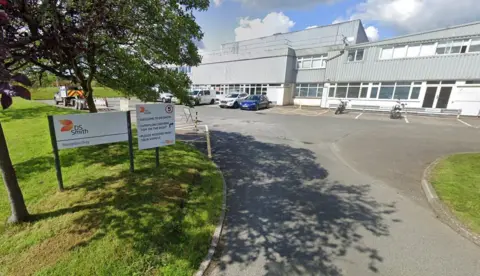
Employees at affected facilities are understandably concerned about the implications of this business restructuring announcement. Many staff members have devoted considerable time and loyalty to DS Smith, building expertise in paper production, packaging design, and manufacturing operations. The consultation process will likely address questions regarding redundancy procedures, potential relocation opportunities, retraining programs, and other support measures for affected workers. Such consultations are typically conducted with sensitivity to the human dimension of business restructuring.
DS Smith's decision to consult formally with staff demonstrates adherence to employment law and demonstrates corporate responsibility in managing organizational change. The consultation period typically allows employees to raise concerns, explore alternatives, and understand the rationale behind management's proposals. During this time, unions and employee representatives may also become involved, ensuring that worker interests are adequately represented in discussions with management.
The proposal reflects broader challenges facing the European paper and packaging sector, which has experienced sustained pressure from multiple directions. Rising energy costs, increased environmental regulations, competition from Asian manufacturers, and shifts in customer preferences have all contributed to the difficult operating environment. Companies like DS Smith must balance their need to maintain profitability with their responsibility to their workforce and stakeholders.
From a financial perspective, operational optimization through facility rationalization is often viewed by markets as a necessary step toward restoring profitability and competitiveness. However, the human cost of such decisions cannot be overlooked, and employee consultation represents an important ethical dimension of business decision-making. The consultation period will be crucial in determining how DS Smith manages this delicate balance.
The packaging industry consolidation has been a notable trend in recent years, with several major players merging operations or divesting underperforming assets. DS Smith itself has previously pursued growth through acquisition and has also streamlined operations in response to market conditions. This latest proposal may represent another chapter in the company's ongoing strategic evolution as it adapts to changing market dynamics and competitive pressures.
Stakeholders including customers, suppliers, and investors will be closely monitoring how DS Smith handles this consultation process and what decisions ultimately emerge. The company's reputation for managing employee relations responsibly could influence its ability to attract and retain talent in the future, particularly as the company moves forward with any restructuring. Industry observers will be watching to see whether this proposal represents a temporary adjustment or signals more fundamental shifts in DS Smith's business model.
The consultation period provides an important opportunity for dialogue between management and staff, potentially leading to creative solutions that minimize disruption while addressing the company's operational challenges. Management may explore various alternatives during this time, from partial closures to technological upgrades that could preserve some employment while improving efficiency. The final outcome will likely depend on the company's financial position, market demand forecasts, and regulatory considerations.
For the broader manufacturing sector, DS Smith's situation serves as a reminder of the ongoing challenges facing traditional industries in developed economies. Companies must continually innovate, improve efficiency, and adapt to changing market conditions to survive and prosper. The coming weeks and months will be significant for DS Smith as it works through this consultation process and ultimately determines the path forward for its operations and workforce.
Source: BBC News


