
Dua Lipa Sues Samsung for $15M Over Unauthorized Image Use

Pop star Dua Lipa has filed a $15 million lawsuit against Samsung, claiming her photograph was used on TV packaging without consent or compensation.
Dua Lipa, the globally recognized pop sensation, has taken legal action against technology giant Samsung, filing a substantial $15 million lawsuit over the unauthorized use of her likeness on television product packaging. The dispute centers on allegations that the multinational electronics corporation used a photograph of the artist's face on Samsung television boxes without securing proper permission or providing appropriate compensation to the star.
According to documents filed by Dua Lipa's legal team, the unauthorized image usage represents a clear violation of her publicity rights and intellectual property protections. The legal representatives argue that Samsung's use of her photograph on commercial product packaging without consent constitutes a serious breach of established entertainment industry standards and applicable intellectual property laws. This case highlights the ongoing tensions between major corporations and celebrity personalities regarding the proper use and compensation for commercial image rights.
The lawsuit represents a significant moment in the ongoing debate about celebrity rights protection and corporate accountability in the digital age. Image rights violations have become increasingly common as companies seek to capitalize on celebrity recognition to boost product appeal and consumer interest. Dua Lipa's legal action serves as a precedent-setting case that could influence how major technology corporations handle celebrity imagery in their marketing materials and product packaging moving forward.
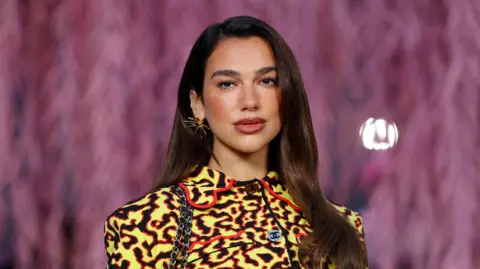
Dua Lipa's career trajectory has made her one of the most recognizable faces in the global music industry, with her image holding significant commercial value. The artist, known for chart-topping hits and Grammy Award-winning albums, has built a successful brand that extends beyond music into fashion, sponsorships, and various commercial partnerships. The use of her photograph without permission on Samsung television boxes represents a particularly egregious case of corporate misuse, as the packaging reaches millions of potential consumers worldwide.
The $15 million figure in the lawsuit reflects not only direct damages from the unauthorized use but also accounts for the potential commercial value of Dua Lipa's image and the widespread distribution of Samsung televisions globally. Legal experts note that the amount seeks to compensate for lost licensing fees, the value of her endorsement potential, and punitive damages designed to deter similar violations by other corporations in the future. This substantial claim underscores the seriousness with which entertainment lawyers view celebrity image rights protection in contemporary business practices.
Samsung's alleged failure to secure proper licensing agreements for celebrity imagery raises important questions about corporate compliance procedures and intellectual property management within major technology companies. Industry observers suggest that such oversights, intentional or otherwise, indicate potential gaps in Samsung's regulatory frameworks and approval processes for marketing materials. The case also highlights the vulnerability of celebrities whose images can be appropriated and distributed on a massive scale before they become aware of such misuse.
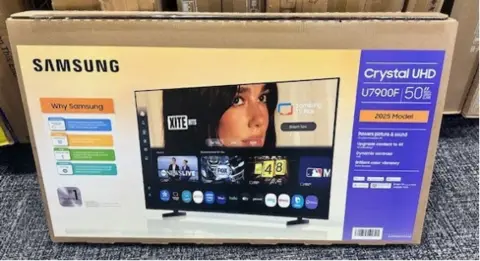
The entertainment and technology sectors have long maintained distinct approaches to intellectual property and copyright protection, but this lawsuit demonstrates the necessity for clearer protocols when these industries intersect. Dua Lipa's legal action serves as a wake-up call to corporations that the casual or unauthorized use of celebrity images carries significant legal and financial consequences. As the case progresses through the courts, it will likely establish important precedents regarding how technology companies must handle celebrity likenesses in their commercial operations.
Precedents in similar cases have shown that courts take image rights violations seriously, particularly when major corporations appear to have acted negligently or deliberately in appropriating celebrity identities for commercial gain. Previous settlements in comparable cases have ranged from substantial monetary awards to mandatory licensing agreements and public retractions. The outcome of Dua Lipa's lawsuit against Samsung could potentially reshape how technology companies approach celebrity image licensing and the due diligence required before any commercial use of recognizable individuals.
The broader implications of this lawsuit extend beyond just Dua Lipa and Samsung, affecting how other celebrities and their representatives handle brand protection and intellectual property management. Many entertainment professionals maintain strict controls over how their images are used commercially, and unauthorized usage can significantly impact their personal brand value and market positioning. This case reinforces the importance of rigorous licensing agreements and comprehensive approval processes before any commercial exploitation of celebrity images.
From a corporate perspective, Samsung faces potential reputational damage alongside the financial burden of the lawsuit. Technology companies typically rely on strategic marketing partnerships and carefully curated brand associations to maintain consumer trust and market leadership. An unauthorized association with a celebrity through inappropriate image use without compensation can undermine these carefully constructed brand strategies and create negative public perception.
The legal proceedings will likely involve extensive discovery processes to determine exactly how the photograph was obtained, who authorized its use within Samsung's organization, and what distribution the product packaging achieved globally. Legal experts anticipate that the case could involve testimony from marketing professionals, corporate executives, and intellectual property specialists who can detail the licensing and approval procedures that should have been followed. This detailed examination of corporate processes could reveal systemic issues in how major technology companies manage celebrity image rights.
Dua Lipa's decision to pursue this lawsuit demonstrates the growing assertiveness of celebrities in protecting their commercial interests and intellectual property rights. The entertainment industry has increasingly witnessed artists and personalities taking aggressive legal stands against corporations that attempt to exploit their images without proper compensation or consent. This trend reflects a broader shift toward stricter intellectual property enforcement and the recognition that celebrity likenesses represent valuable commercial assets deserving of robust legal protection.
As this case moves through the legal system, it will undoubtedly attract attention from other celebrities facing similar situations and from technology companies seeking to understand their obligations regarding celebrity image use. The outcome could influence how corporations approach hiring celebrities for advertising campaigns and how they manage existing imagery in their archives. Industry observers will be watching closely to see whether the courts uphold strong protections for celebrity image rights or whether they take a more lenient approach to corporate image usage.
The Samsung lawsuit represents a critical moment in the ongoing evolution of entertainment law and celebrity rights protection in the digital age. As companies become increasingly sophisticated in their use of celebrity imagery for commercial purposes, the legal framework governing such practices must adapt and strengthen accordingly. Dua Lipa's $15 million lawsuit against Samsung serves as both a significant financial claim and a powerful statement about the importance of respecting artists' intellectual property rights and compensating them appropriately for any commercial use of their identities.
Source: BBC News


