
Dua Lipa Sues Samsung for $15M Over Unauthorized Image Use

Singer Dua Lipa files $15 million lawsuit against Samsung for allegedly using her likeness without permission in TV advertisements.
Dua Lipa, the Grammy Award-winning artist known for hit songs like "Levitating" and "Don't Start Now," has initiated legal action against tech giant Samsung, seeking $15 million in damages. According to the lawsuit, the multinational electronics company allegedly used the singer's likeness and image without proper authorization or consent to promote and sell television sets to consumers worldwide. This high-profile case highlights ongoing concerns about celebrity image rights and the unauthorized commercial exploitation of public figures in advertising campaigns.
The lawsuit represents a significant stand by Lipa against what her legal team characterizes as a clear violation of her intellectual property rights and personal brand. The singer's representatives argue that Samsung knowingly used her distinctive appearance, face, and persona in marketing materials designed to drive television sales without negotiating proper licensing agreements or obtaining explicit permission. This type of unauthorized usage falls under various legal violations related to right of publicity, which protects individuals from having their image used for commercial gain without consent.
Samsung, which is one of the world's largest manufacturers of consumer electronics, has not publicly responded to the allegations in detail. However, the company faces increasing scrutiny for its advertising practices and the vetting processes it uses when selecting celebrity imagery for promotional campaigns. The $15 million figure represents not only compensation for the unauthorized use but also addresses the significant commercial value of Lipa's endorsement and the damages to her brand reputation.
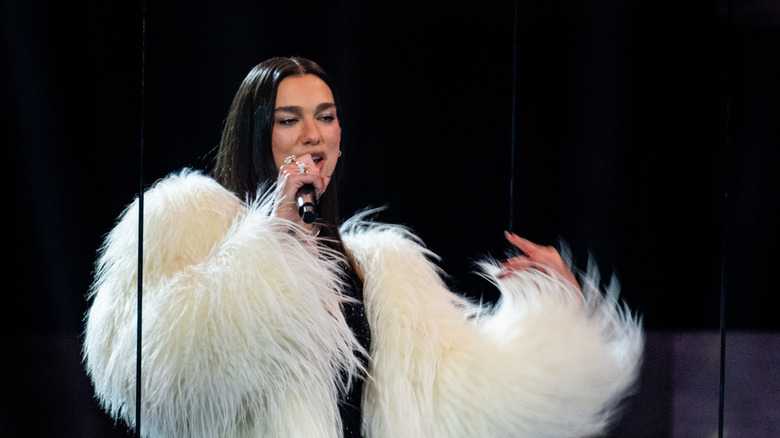
This case is particularly significant given Dua Lipa's status as one of the music industry's most recognizable and commercially valuable artists. Her image has substantial marketability, with major brands typically paying substantial sums for the right to feature her in advertisements or associate their products with her brand. By allegedly using her image without compensation or consent, Samsung potentially deprived the artist of significant licensing fees and damaged her ability to control how her image is commercially utilized.
The lawsuit underscores broader industry challenges surrounding celebrity image protection in the digital age. As advertising becomes increasingly sophisticated and global, companies sometimes test the boundaries of what constitutes fair use versus unauthorized commercial exploitation. Celebrity lawyers frequently warn their clients about the importance of monitoring their likeness across international markets, where enforcement can be complicated and regulations may vary significantly from country to country.
Dua Lipa's legal team has emphasized that this action is necessary to establish clear precedent regarding image rights protection. The singer's representatives point out that allowing major corporations to freely use celebrity likenesses without authorization would fundamentally undermine the value of celebrity endorsements and create a system where companies could effectively get free advertising partnerships simply by using famous faces without permission. The case demonstrates how even the most prominent public figures must actively protect their intellectual property rights.
The entertainment and technology industries have increasingly intersected in recent years, with many tech companies partnering with musicians and entertainers for legitimate endorsement deals. However, these arrangements typically involve substantial negotiation, clear contracts, and significant compensation for the celebrity involved. Samsung's alleged use of Lipa's image without such arrangements represents a departure from standard industry practices and established business norms regarding celebrity partnerships.
This legal dispute also reflects the growing value of social media presence and personal brand identity. In today's digital landscape, a celebrity's image and likeness are valuable assets that can generate significant revenue through proper licensing and endorsement partnerships. Unauthorized use not only represents lost income but can also dilute a celebrity's brand by creating confusion about their actual endorsements and potentially associating them with products they might not personally support or endorse.
The case is expected to navigate through the court system, potentially setting important precedents for how image rights are protected in international commercial contexts. Legal experts suggest that the outcome could influence how technology companies approach celebrity advertising in the future, potentially leading to stricter compliance with rights clearance procedures and more rigorous vetting of imagery used in global marketing campaigns.
Dua Lipa's decision to pursue this legal action sends a clear message that even powerful corporations cannot assume they can use celebrity likenesses without consequence. The $15 million lawsuit represents not just a financial claim but a statement about the importance of respecting intellectual property rights and the value of an artist's personal brand. As the case develops, it will likely attract significant attention from other celebrities and their legal representatives who are similarly concerned about protecting their image rights in an increasingly digital and global marketplace.
Source: Engadget


