
Dua Lipa Sues Samsung Over Unauthorized TV Box Image

Singer Dua Lipa files lawsuit against Samsung for using her photo on TV packaging without permission, claiming copyright and trademark infringement.
A recent legal dispute has emerged between global music sensation Dua Lipa and technology giant Samsung, centering on the unauthorized use of the artist's photograph on television packaging. The controversy highlights ongoing concerns about celebrity image rights and intellectual property protection in the consumer electronics industry. This case underscores the importance of obtaining proper licensing agreements before using recognizable individuals' likenesses in commercial ventures, particularly when products are distributed across multiple markets and sold in large quantities.
The incident came to light when consumers began noticing the singer's image adorning Samsung television boxes across the United States. What might have seemed like a simple marketing decision to feature a popular entertainer on product packaging became the catalyst for significant legal action. The presence of Dua Lipa's photograph on these boxes raised immediate questions about how Samsung obtained permission to use her likeness and whether proper licensing agreements were established prior to manufacturing and distribution.
On Friday, Lipa's legal team filed a comprehensive lawsuit in the US District Court for the Central District of California, outlining multiple violations against the multinational electronics manufacturer. The complaint alleges that Samsung engaged in copyright infringement, trademark infringement, and violated Lipa's fundamental right of publicity. According to the legal filing, Lipa maintains exclusive ownership of all rights, title, and interest in the specific image titled "Dua Lipa - Backstage at Austin City Limits, 2024."
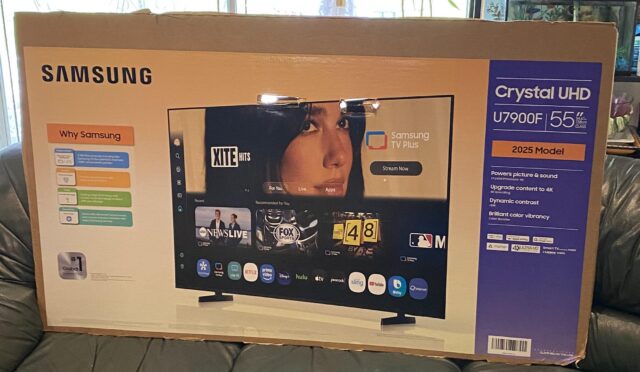
The lawsuit provides detailed information about Samsung's allegedly infringing conduct, stating that the company "mass-manufactured, distributed (or caused to be distributed), marketed, and sold in interstate commerce across the United States a vast number of its televisions in various sizes in these cardboard boxes containing the [image]." This sweeping description emphasizes the scale of Samsung's distribution network and the widespread availability of these televisions featuring Lipa's photograph without her consent or proper compensation.
The legal action raises important questions about corporate responsibility in the digital age, where images can be easily acquired, manipulated, and reproduced across massive supply chains. The complaint suggests that Samsung's use of Lipa's image was not merely incidental or accidental, but rather a deliberate decision to feature her likeness on product packaging destined for millions of consumers across the nation. This calculated approach to marketing without securing the necessary rights demonstrates a potential disregard for celebrity right of publicity laws that exist to protect entertainers from exactly this type of unauthorized commercial exploitation.
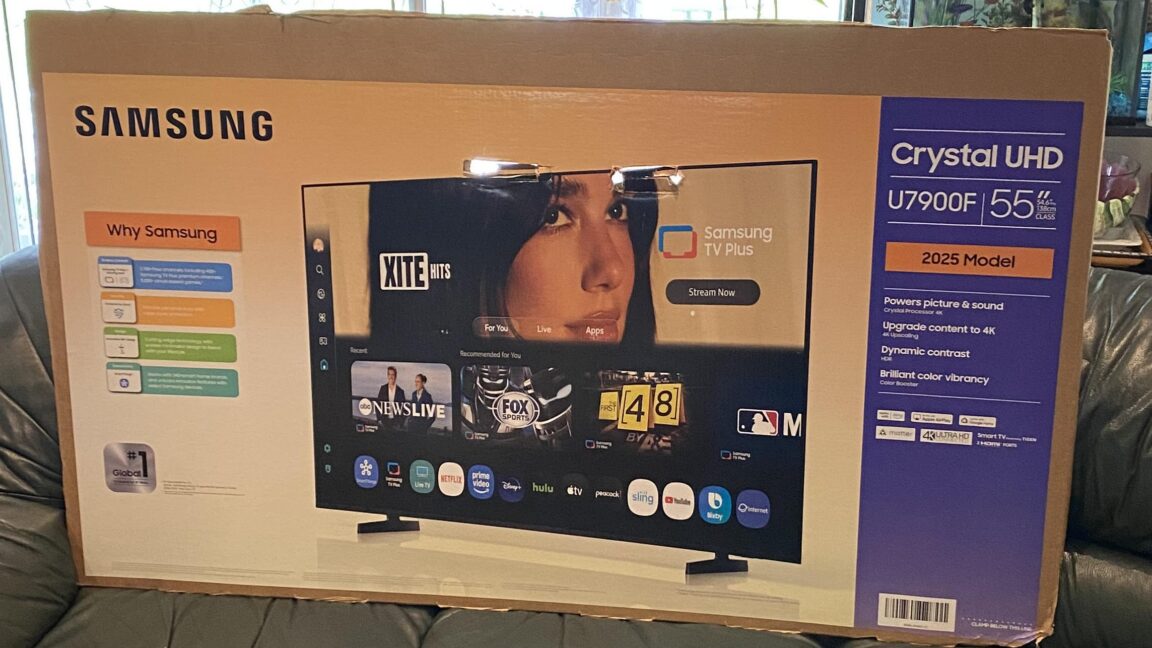
The image in question, captured backstage at the prestigious Austin City Limits music festival in 2024, represents valuable intellectual property belonging to Dua Lipa. The photo, which presumably captures the artist in a professional or performance context, carries significant commercial value in the entertainment and marketing industries. By reproducing and distributing this image on millions of TV boxes without authorization, Samsung potentially violated multiple dimensions of Lipa's legal protections and financial interests.
This lawsuit joins a growing body of litigation focused on protecting celebrity images and publicity rights against unauthorized commercial use. Entertainment industry legal experts have long emphasized that celebrities and their representatives must actively monitor and enforce their intellectual property rights, as corporations operating in multiple sectors may attempt to leverage famous faces without proper agreements in place. The fact that this dispute emerged between a major electronics manufacturer and an internationally recognized music artist suggests that even well-established companies may sometimes overlook or underestimate the importance of securing appropriate licensing for promotional materials.
The broader implications of this case extend beyond the immediate dispute between Lipa and Samsung. The lawsuit sends a message to manufacturers and retailers that using recognizable individuals' images on mass-produced consumer goods requires explicit permission and compensation arrangements. Companies that fail to secure proper rights may face substantial financial penalties, legal fees, and reputational damage resulting from infringement claims and negative publicity.

Samsung's alleged distribution strategy, which involved placing the television sets across retail channels throughout the United States, amplified the scope of the infringement. Each TV box sold represented another unauthorized use of Lipa's image, multiplying the potential damages and the extent of the violation. The company's decision to use the photograph on packaging suggests a calculated marketing approach designed to capitalize on the singer's popularity and recognition among consumers shopping for new television equipment.
From a legal perspective, the case appears to hinge on whether Samsung obtained proper authorization before reproducing and distributing Lipa's image. If the company proceeded without securing a licensing agreement, it would have violated multiple legal frameworks designed to protect individual rights and intellectual property. The complaint's emphasis on the specific photograph and its ownership by Lipa suggests that her legal team has documented evidence establishing her ownership and the unauthorized nature of Samsung's use.
This dispute also reflects the evolving landscape of celebrity rights protection in an era where digital reproduction and distribution have become remarkably easy and cost-effective. Major corporations must now navigate complex intellectual property landscapes when making marketing decisions that involve recognizable individuals. The potential financial consequences of infringement have become substantial enough that companies should prioritize licensing agreements and rights verification before implementing any marketing campaign featuring celebrity images.
The entertainment industry continues to produce high-profile cases involving unauthorized image use, serving as cautionary tales for corporations seeking to leverage celebrity popularity for commercial gain. Legal professionals advising major companies consistently emphasize the importance of establishing clear, documented agreements that specify exactly how celebrity images may be used, in what contexts, and for what duration. The absence of such agreements can result in expensive litigation and substantial damages awards.
As this case develops, it will likely receive significant attention from both legal experts and industry observers interested in how courts balance corporate marketing interests against individual rights of publicity. The outcome could influence how major manufacturers approach celebrity endorsements and image usage in their promotional materials going forward. Whether Samsung settles the dispute or chooses to litigate, the case demonstrates that major corporations cannot assume they have freedom to use celebrity images simply because those individuals are famous and their photographs are widely available.
Source: Ars Technica


