
EasyJet Summer Bookings Decline Amid Middle East Tensions

Budget airline reports weaker summer holiday bookings as geopolitical uncertainty impacts consumer confidence and travel planning decisions.
The budget aviation sector is experiencing notable headwinds as easyJet reports a significant slowdown in summer holiday bookings compared to the same period last year. The decline reflects broader concerns about geopolitical instability in the Middle East, which has created uncertainty among consumers planning their vacation arrangements. The airline's disclosure highlights how international tensions can ripple through the travel industry, affecting booking patterns and passenger confidence in near-term travel commitments.
According to the carrier's recent statements, summer travel demand has been notably softer than anticipated, with passengers adopting a more cautious approach to holiday planning. Rather than booking their trips in advance as is traditionally customary, travelers are choosing to delay their reservations until closer to their intended departure dates. This behavioral shift represents a departure from typical booking patterns and suggests that economic uncertainty is making consumers more hesitant about committing to vacation plans early in the year.
The airline faced substantial financial pressures during March following escalations in the conflict between the US and Israel against Iran. Fuel costs surged unexpectedly, forcing easyJet to absorb an additional £25 million in jet fuel expenses during that single month. This unexpected expenditure came at a particularly challenging time for the budget carrier, which operates on traditionally thin profit margins where fuel price volatility can have outsized impacts on financial performance.
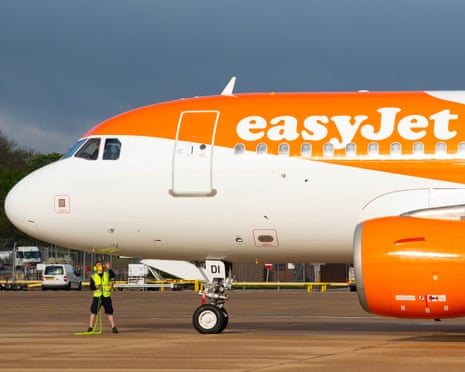
The geopolitical tensions in the Middle East have created a complex operating environment for aviation companies across Europe and beyond. Disruptions to shipping routes, military activity, and broader economic uncertainty stemming from the conflict have contributed to increased volatility in energy markets. For fuel-dependent industries like commercial aviation, these price fluctuations translate directly into bottom-line pressure, and easyJet's experience exemplifies the vulnerability of the sector to external geopolitical shocks.
Consumer confidence in the travel sector has become increasingly sensitive to international developments. When geopolitical risks surface, many potential travelers reassess their discretionary spending, particularly on leisure activities like vacations. The uncertainty surrounding the Iran situation appears to have prompted many easyJet customers to adopt a wait-and-see approach, preferring to book their holidays only when they have greater clarity about the stability of the situation and its potential economic ramifications.
This delayed booking pattern carries important implications for revenue forecasting and capacity planning at the airline. Budget carriers depend heavily on advance bookings to optimize pricing and resource allocation. When passengers wait longer to commit to travel, it complicates the revenue management process and makes it more difficult for airlines to maintain the yield-enhancing strategies that support their cost-competitive business models.
The budget airline sector has faced multiple challenges in recent years, from pandemic-related disruptions to post-recovery demand volatility. EasyJet, like its competitors, has worked to rebuild capacity and restore passenger confidence following the severe impacts of COVID-19 on travel. The emergence of new external pressures, such as sustained geopolitical tensions, threatens to complicate this recovery trajectory and prolong the period of uncertainty for the industry.
Industry analysts have noted that travel booking trends serve as an important barometer of consumer sentiment and economic health. The shift toward later booking behavior observed at easyJet suggests that uncertainty about both near-term geopolitical risks and broader economic conditions is influencing household decisions about discretionary spending. This cautious consumer stance could have broader implications for the tourism industry, hospitality sector, and related businesses that depend on strong leisure travel demand.
The airline's disclosure about softer-than-expected summer bookings comes amid broader discussions within the aviation industry about managing fuel price exposure and operational costs. EasyJet and competitors have explored various hedging strategies and fuel efficiency improvements to mitigate the impact of volatile energy markets. However, the sudden nature of geopolitical disruptions often outpaces the ability of even well-prepared carriers to fully insulate themselves from price shocks.
Looking ahead, the trajectory of summer bookings will likely depend on how the geopolitical situation evolves and whether energy markets stabilize. If the immediate tensions ease and consumer confidence gradually recovers, easyJet may see booking patterns normalize, though potentially at lower absolute levels than initially projected. Conversely, continued uncertainty could extend the period of cautious consumer behavior, placing additional pressure on the airline's full-year performance.
The experience of easyJet underscores a fundamental reality of the modern airline industry: operators face risks that extend far beyond traditional competitive factors. Geopolitical events, commodity price volatility, and macroeconomic conditions all exert significant influence on demand patterns and profitability. As carriers work to rebuild from pandemic impacts, these external risk factors represent ongoing challenges to achieving stable, predictable financial performance and maintaining healthy margins in an inherently competitive sector.
Source: The Guardian


