
Ebola Deaths Surge: WHO Warns Crisis Escalation

The WHO reports 139 suspected deaths and 600 cases as the Ebola outbreak continues to spread. Health officials warn figures will rise significantly in coming weeks.
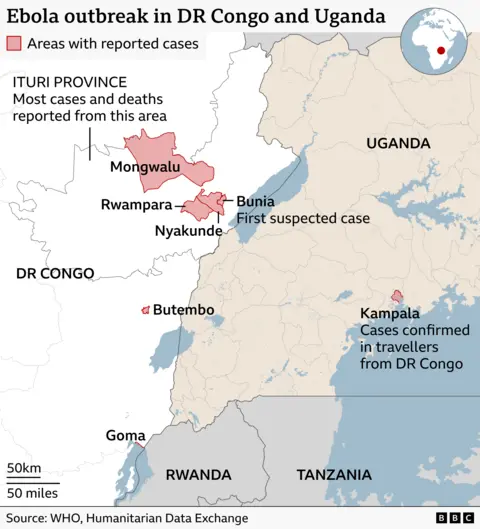
The World Health Organization has released a stark update on the escalating Ebola outbreak, revealing a troubling trajectory that shows no signs of slowing down. According to the latest WHO epidemiological report, the suspected death toll has climbed to 139 individuals, while the total number of confirmed and suspected cases has reached 600. These figures underscore the severity of the public health emergency unfolding across affected regions, prompting international health authorities to intensify their response efforts and resource allocation.
The organization's assessment carries particular weight given the WHO's decades of experience monitoring infectious disease outbreaks across the globe. Health experts familiar with the situation emphasize that these numbers represent only a snapshot of the current crisis, with the understanding that many cases remain unreported or unconfirmed due to limited diagnostic capacity in affected areas. The gap between suspected and confirmed cases highlights the challenge facing healthcare workers and epidemiologists who are working tirelessly to identify, isolate, and treat patients while simultaneously conducting contact tracing operations.
Most concerning to public health officials is the WHO's warning that the Ebola cases and fatalities are expected to increase substantially in the coming weeks and months. This projection is based on several critical factors, including the continued transmission within communities, limitations in healthcare infrastructure, and the difficulty in implementing comprehensive containment measures across vast geographic areas. The organization's cautious outlook reflects the reality that controlling an outbreak of this magnitude requires not only medical intervention but also significant behavioral and logistical changes among affected populations.
The Ebola virus disease, characterized by high case fatality rates ranging from 25 to 90 percent depending on the viral strain, presents an unprecedented challenge to healthcare systems already struggling with resource constraints. Symptoms typically emerge between 2 to 21 days after exposure and include sudden onset of fever, intense weakness, muscle pain, and headache. As the disease progresses, patients may experience vomiting, rash, impaired kidney and liver function, and in some cases, internal and external bleeding. The severity of these symptoms, combined with the absence of a proven cure, makes early detection and supportive care critical to patient survival.
Healthcare workers on the front lines of this outbreak face extraordinary risks as they endeavor to treat patients in increasingly compromised conditions. The transmission of Ebola occurs through direct contact with blood or bodily fluids of infected individuals or surfaces contaminated with these fluids. This makes the work of medical personnel exceptionally hazardous, as protection equipment shortages and the overwhelming number of patients create conditions where infection control becomes increasingly difficult to maintain. Multiple reports have documented healthcare worker infections and deaths, which further strains already stretched medical teams.
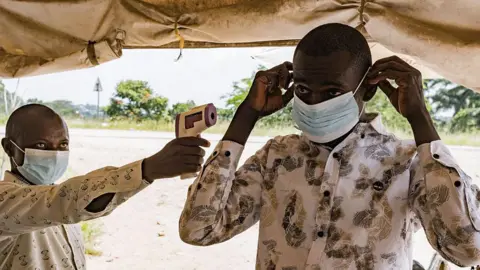
Efforts to contain the outbreak have included establishing isolation centers, conducting extensive community awareness campaigns, and implementing travel screening measures at border checkpoints. However, these interventions face significant obstacles, including community skepticism, cultural practices surrounding funeral rites that may promote transmission, and the porous nature of borders in affected regions. The WHO and partner organizations are working to address these challenges through community engagement initiatives and training programs designed to build trust and encourage adherence to health guidelines.
International cooperation and funding have proven essential to mounting any meaningful response to this crisis. The WHO has coordinated with various governmental agencies, non-governmental organizations, and private sector partners to mobilize resources, personnel, and expertise. Additional funding from donor countries and multilateral organizations has enabled the establishment of new treatment centers, procurement of medical supplies, and expansion of laboratory capacity for testing and confirmation of suspected cases.
The disease outbreak response has also highlighted ongoing gaps in global health preparedness and surveillance systems. Many affected regions lack the robust diagnostic infrastructure necessary to rapidly confirm cases and implement timely public health responses. Building sustainable capacity for infectious disease detection and response remains a critical priority for global health security, particularly in regions with limited resources and weak healthcare infrastructure.
Scientists and epidemiologists are actively working to understand the source of the outbreak and identify any animal reservoirs that might continue to pose risks. The Ebola virus has been linked to fruit bats, which are believed to be the natural reservoir, and spillover events into human populations typically occur through contact with infected animals or consumption of bushmeat. Understanding these transmission pathways is crucial for implementing prevention strategies that address the root causes of human infection.

The psychological and economic impacts of this outbreak extend far beyond the direct health consequences. Communities affected by the crisis have experienced disruptions to education, commerce, and normal social activities as quarantine measures and fear of infection reshape daily life. Healthcare systems face overwhelming demand while simultaneously dealing with supply shortages and staff burnout. Economic hardship affects both individuals unable to work and governments straining to allocate limited budgets toward emergency response.
Looking forward, the WHO emphasizes that sustained commitment to outbreak control measures, continued investment in health system strengthening, and proactive international cooperation will be essential to reversing the trajectory of the epidemic. The organization's latest assessment serves as a urgent reminder of the pandemic potential inherent in emerging infectious diseases and the critical importance of maintaining vigilant surveillance and rapid response capabilities. With warnings of further increases in cases and deaths, the coming period will test the resilience and preparedness of health authorities and communities confronting this formidable public health challenge.
Source: BBC News


