
Ebola Outbreak in Congo Kills 65, Health Alert Raised

An Ebola outbreak in Democratic Republic of Congo's Ituri province has claimed 65 lives with 246 suspected cases reported. Health officials investigate potential new strain.
A significant Ebola outbreak has emerged in the eastern regions of the Democratic Republic of the Congo, prompting urgent response from African health authorities and international disease control agencies. According to officials from the African Union and regional health organizations, the deadly virus has claimed at least 65 lives, with the situation continuing to evolve as more cases are identified and investigated. The outbreak represents a serious public health concern for the region and has triggered heightened vigilance across neighboring countries.
The Ituri province in eastern Democratic Republic of the Congo has become the epicenter of this haemorrhagic fever crisis, with health officials documenting 246 suspected cases of Ebola infection. This remote and conflict-affected region, which borders both Uganda and South Sudan, presents unique challenges for disease surveillance and outbreak response. The geographic location of the outbreak near international borders has raised concerns about potential cross-border transmission, prompting coordinated efforts between multiple nations to prevent further spread.
One of the most alarming aspects of the current outbreak is the possibility that the cases may have been caused by a new strain of Ebola virus, according to preliminary investigations by African health officials and virologists studying samples from affected patients. This concern has elevated the urgency of containment efforts, as new viral variants can present different transmission patterns, severity rates, and potential challenges for existing diagnostic and treatment protocols. Researchers are working rapidly to sequence the genetic material of the virus to determine its exact classification and relationship to previously identified Ebola strains.
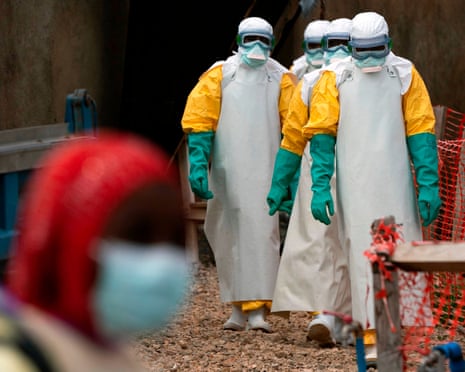
The response to this disease outbreak has mobilized significant resources from both national and international health organizations working to coordinate containment and prevention strategies. African health officials have been racing against time to implement isolation protocols, establish treatment centers, and conduct contact tracing to identify and monitor individuals who may have been exposed to infected persons. The coordination between Democratic Republic of Congo's health ministry and regional partners has been critical in attempting to limit the spread of this highly contagious and often fatal infection.
Ebola, a rare but severe and often fatal illness affecting humans and other primates, has a fatality rate that can reach up to 90 percent in some cases, making it one of the most dangerous infectious diseases known to modern medicine. The virus spreads through direct contact with blood or body fluids of infected persons or animals, or through indirect contact with environments contaminated by these fluids. Since the initial discovery of Ebola in 1976, multiple outbreaks have occurred across Central and West Africa, with the 2014-2016 West African epidemic claiming over 11,000 lives and demonstrating the devastating impact of this pathogen on affected regions.
The investigation into whether this outbreak involves a new strain has particular significance given the history of Ebola mutations and the virus's demonstrated ability to evolve. Previous outbreaks have been traced to different species of Ebola virus, including Zaire, Sudan, Bundibugyo, and Reston strains, each with varying characteristics regarding transmission and severity. If this outbreak is indeed caused by a previously unidentified strain or a novel variant, it would have major implications for diagnostic testing, vaccine development, and treatment approaches that health authorities and pharmaceutical companies might need to employ.
The Ituri province's strategic location near the borders with Uganda and South Sudan has heightened regional concerns about disease transmission across international boundaries. These border regions often experience significant population movement, including trade, migration, and cross-border activities that could facilitate the spread of infectious diseases. Regional health ministries in Uganda and South Sudan have reportedly increased surveillance at border checkpoints and implemented screening measures to detect any cases that might cross into their territories, demonstrating the coordinated regional response to this health threat.
The capacity of healthcare facilities in the affected area presents another significant challenge to outbreak response efforts, as the Democratic Republic of the Congo has long struggled with limited medical infrastructure and resources. Many communities in the Ituri province lack access to adequate medical facilities, trained healthcare workers, and essential supplies needed to treat Ebola patients effectively. The establishment of treatment centers and the deployment of medical personnel to remote areas have been critical components of the response, though logistical challenges and security concerns in some parts of the region have complicated these efforts.
International support and collaboration have been essential in addressing this outbreak, with organizations such as the World Health Organization providing technical expertise, epidemiological support, and coordination of international resources. Various countries and health organizations have pledged assistance, including laboratory capacity for viral identification, vaccine supplies, and trained personnel to support local health systems. This international dimension of outbreak response reflects the understanding that infectious disease threats in one region can potentially affect global health security if not adequately contained and managed.
The investigation and confirmation of cases through laboratory testing has been crucial in verifying the extent of the outbreak and understanding the viral characteristics. Samples from suspected cases are being analyzed through PCR testing and other diagnostic methods to confirm Ebola infection and attempt to identify any genetic variations that might indicate a new strain. This scientific investigation is ongoing and will continue to provide critical information about the outbreak's nature and the best approaches for containment and treatment.
Looking forward, public health officials emphasize the importance of sustained surveillance, rapid case identification, and effective communication with affected communities to manage this outbreak. Education campaigns about transmission prevention, safe burial practices, and when to seek medical care have been implemented to help reduce the spread of infection. The combination of technical public health interventions, community engagement, and international support will be critical in bringing this outbreak under control and preventing future Ebola emergence in the region.
Source: The Guardian

