
Ebola Outbreak in Eastern DR Congo Kills 65

Africa's top health agency reports 246 Ebola cases in eastern Democratic Republic of Congo. Health officials mobilize response efforts.
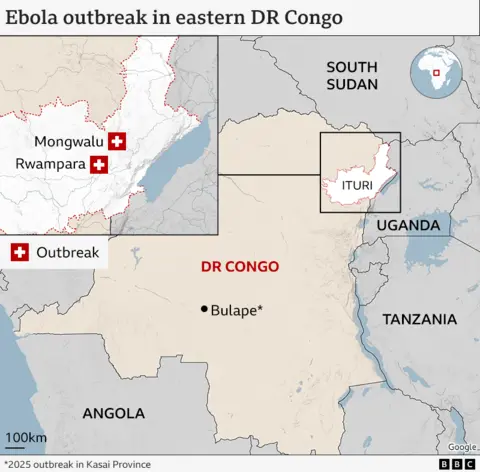
A significant Ebola outbreak has emerged in the eastern region of the Democratic Republic of Congo, claiming at least 65 lives and triggering widespread concern among health authorities across the African continent. The disease outbreak represents a serious public health challenge, with African health officials working urgently to contain the spread and prevent further casualties in the affected region.
According to statements from Africa's leading health organization, approximately 246 confirmed and suspected Ebola cases have been documented in connection with this outbreak. The epidemic has primarily affected communities in the eastern part of the Democratic Republic of Congo, an area that has previously experienced multiple disease outbreaks in recent years. Health authorities are mobilizing resources and deploying medical personnel to manage the crisis and provide care to those affected.
The current situation underscores the ongoing vulnerability of the region to infectious disease outbreaks, given the challenging geography, limited healthcare infrastructure in remote areas, and previous encounters with similar viral threats. Medical teams from the African Union and partner international organizations have been coordinating response efforts to address the urgent needs of affected communities. The rapid escalation of case numbers has prompted heightened surveillance and monitoring protocols across neighboring regions.

The Ebola virus is known for its high fatality rate and rapid transmission in certain conditions, particularly in settings with limited infection control measures. The mortality rate observed in this outbreak reflects the severity and aggressive nature of the virus, which causes hemorrhagic fever characterized by sudden onset of symptoms including fever, weakness, and progressive organ dysfunction. Understanding transmission patterns and implementing effective preventive measures has become critical to limiting the spread of this life-threatening pathogen.
Response teams have been establishing treatment centers equipped with appropriate isolation facilities and trained medical staff capable of managing severe cases. The disease control strategy involves identifying close contacts of confirmed cases, implementing quarantine procedures, and conducting extensive community education about prevention methods. These coordinated efforts aim to break the chain of transmission and reduce new case incidence in the affected populations.
Healthcare workers on the frontlines of this outbreak face significant risks despite protective equipment and strict safety protocols. Many medical professionals have expressed concerns about resource limitations and the challenging conditions under which they operate in remote healthcare facilities. Their dedication and courage in managing this crisis have been recognized by international health organizations and government authorities.
The Democratic Republic of Congo has experienced multiple Ebola epidemics throughout recent decades, making it a critical focal point for understanding and managing this deadly virus. Each outbreak has provided valuable lessons about transmission dynamics, clinical management, and community engagement strategies. The healthcare system in the affected region continues to build capacity based on experiences from previous viral outbreaks, though challenges persist in resource allocation and personnel training.
International collaboration has been essential in mounting an effective response to this outbreak. Partner nations and global health organizations have pledged support including medical supplies, technical expertise, and financial resources to strengthen local response capabilities. This coordinated international approach reflects the understanding that infectious disease threats do not respect national borders and require collective action.
Public health messaging has emphasized the importance of safe burial practices, personal hygiene, and avoiding contact with infected individuals or their bodily fluids. Community leaders and local authorities have been instrumental in disseminating accurate health information and combating misinformation that could undermine prevention efforts. Education campaigns have focused on empowering residents with knowledge about symptom recognition and appropriate healthcare-seeking behavior.

Laboratory diagnostics remain central to identifying cases accurately and monitoring the epidemic's trajectory. Confirmed cases are differentiated from suspected cases through molecular testing, allowing health authorities to track the outbreak's spread and evaluate intervention effectiveness. The ability to quickly identify new cases enables rapid isolation and treatment initiation, improving patient outcomes and reducing transmission risk.
The psychological and economic impacts of this outbreak extend beyond immediate health concerns, affecting healthcare systems, local economies, and social structures in the affected communities. Families face disruption due to illness and loss, while healthcare workers and support staff experience trauma from witnessing severe illness and mortality. The broader societal consequences underscore the need for comprehensive, compassionate response approaches that address not only medical needs but also psychological and social well-being.
Moving forward, sustained vigilance and continued investment in outbreak prevention systems will be essential for preventing future crises. Strengthening healthcare infrastructure, training medical personnel, and improving disease surveillance networks can enhance the region's capacity to detect and respond to emerging threats early. The lessons learned from this outbreak will inform future public health strategies and help build more resilient health systems across Africa.
As the health crisis continues to develop, ongoing monitoring and adaptive management of response efforts remain critical. The commitment demonstrated by African health authorities, international partners, and local communities shows the collective determination to overcome this significant public health challenge and protect vulnerable populations from this devastating disease.
Source: BBC News

