
Ebola Returns to Eastern DRC: Fear Spreads

Eastern DRC residents panic as Ebola outbreak emerges in Ituri province. Fear grows over disease spread and economic impact six years after last case.
A wave of anxiety is sweeping through the eastern Democratic Republic of the Congo as communities grapple with the sudden emergence of Ebola in Ituri province, marking a troubling return of the deadly virus nearly six years after the previous outbreak was contained. The announcement by the World Health Organization regarding this new Ebola outbreak has triggered widespread concern among residents who remember the devastating toll of previous epidemics and fear the unpredictable nature of viral transmission in densely populated mining regions.
Gloire Mumbesa, a 38-year-old resident of Mongbwalu, a bustling mining town nestled in the heart of the Democratic Republic of the Congo's mineral-rich eastern region, articulated the palpable anxiety gripping his community. According to Mumbesa, the virus has become the dominant topic of conversation in every corner of daily life—from crowded public transportation vehicles where commuters sit shoulder to shoulder, to local bars where neighbors gather in the evenings, and at mass gatherings where cultural and religious events continue despite the emerging health threat. "On public transport, in bars and at mass gatherings, everyone is talking about Ebola," Mumbesa explained, underscoring how thoroughly the outbreak has permeated public consciousness.
The particular strain identified in this outbreak—the Bundibugyo strain of Ebola—has intensified local fears because the population lacks access to effective vaccination options for this specific viral variant. This absence of protective vaccines represents a critical vulnerability in the public health response, leaving communities feeling defenseless against a disease that has historically claimed a significant proportion of infected individuals. "The fear is that this disease may spread to many other areas," Mumbesa noted, articulating the widespread concern that the virus could quickly expand beyond Ituri province to neighboring regions and across provincial borders.
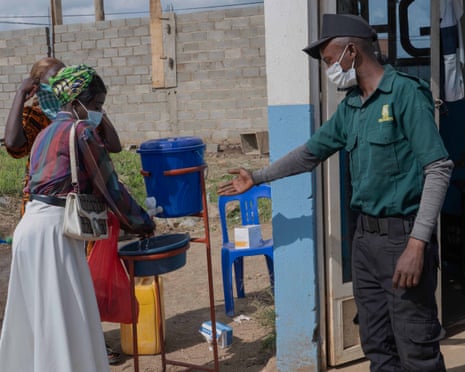
The Ituri province Ebola situation has created a complex humanitarian challenge that extends far beyond the immediate health threat. The region, which depends heavily on mining operations and small-scale commerce, faces potential economic disruption as people modify their behavior in response to outbreak fears. Markets may see reduced foot traffic, transportation networks could face restrictions, and the social fabric of communities built on regular interaction and gathering faces unprecedented strain during this critical period.
Residents of Ituri province are drawing haunting parallels to previous DRC Ebola outbreaks that have devastated families and communities throughout the nation's history. The psychological impact of living through previous epidemics has left many residents hypervigilant and emotionally scarred, making the announcement of this new outbreak feel like a return to their worst collective memories. The combination of disease-related mortality risks and the profound economic consequences of outbreak-related restrictions creates a dual crisis that tests the resilience of already vulnerable populations.
The timing of this outbreak presents particular challenges for the Democratic Republic of the Congo, a nation that has made significant strides in disease surveillance and outbreak response capabilities over the past decade. However, the persistent resource constraints within the health system, the geographic challenges of reaching isolated communities in eastern provinces, and the ongoing security concerns that plague the Ituri region all complicate efforts to mount a rapid and comprehensive response to contain the virus.
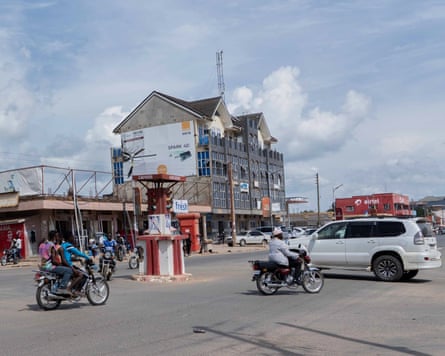
The emergence of this new Ebola case cluster comes at a time when health authorities are already stretched thin managing numerous other health priorities, from the ongoing battle against malaria and cholera to addressing malnutrition and maternal health challenges. The sudden demand for resources to respond to the Ebola outbreak requires difficult triage decisions and could divert critical attention from other pressing health needs affecting vulnerable populations across the region.
Public health officials working in the region acknowledge the significant obstacles to outbreak containment, including limited laboratory capacity to confirm cases, difficulties in contact tracing across mobile populations, and the challenge of implementing quarantine measures in communities where poverty and informal economic arrangements make isolation difficult to sustain. These structural challenges mean that even well-intentioned outbreak response efforts may struggle to prevent transmission and protect vulnerable individuals.
Community leaders in Mongbwalu and surrounding towns are attempting to balance the need for public health measures with the necessity of maintaining social and economic functions that communities depend upon for survival. This tension between protecting population health and enabling people to earn livelihoods has created moral dilemmas for local officials who must make decisions with imperfect information and limited resources.
The fear and panic in eastern DRC over this Ebola resurgence reflects not only the biological threat posed by the virus but also the deep psychological scars and collective trauma that previous outbreaks have inflicted on these communities. Residents carry memories of loved ones lost to the disease, of medical systems overwhelmed beyond capacity, and of the helplessness felt when facing an invisible threat with no clear path to protection or cure.
As the situation continues to develop, international health organizations are mobilizing resources to support the Democratic Republic of the Congo's response efforts, recognizing both the humanitarian imperative to protect affected populations and the potential for the outbreak to spread across borders in a region characterized by significant human mobility and trade networks. The success of containment efforts will ultimately depend on the sustained commitment of resources, the cooperation of community members who may be hesitant due to previous negative experiences with health interventions, and the effectiveness of communication strategies that build trust while conveying critical information about disease prevention and response.
Source: The Guardian


