
Ebola Travel Ban Sparks Global Health Crisis Debate

Africa CDC warns US travel restrictions on DRC, Uganda, South Sudan could worsen outbreak. Health experts debate effectiveness of border controls during Ebola emergency.
The Ebola outbreak response has become increasingly controversial as health authorities worldwide grapple with how to contain the virus while maintaining international mobility. Following the declaration of a public health emergency of international concern on Sunday, the United States imposed restrictive travel measures targeting three African nations—the Democratic Republic of the Congo, Uganda, and South Sudan—sparking heated debate among public health experts and international organizations about whether such measures truly protect global populations or inadvertently cause greater harm.
The Africa CDC (Centers for Disease Control and Prevention) has emerged as a vocal critic of these travel restrictions, arguing that the blanket ban could paradoxically increase public health risks rather than mitigate them. Officials representing the continental health authority contend that such measures create perverse incentives for travelers to use undocumented routes, evade health screenings, and hide symptoms—ultimately undermining the very transparency needed for effective disease surveillance. The ban, they argue, highlights what many describe as a "deeper structural injustice" embedded within global health governance systems that often burden African nations disproportionately.
Current epidemiological data shows the Ebola virus continuing its relentless spread, with health authorities documenting fresh cases in concerning new locations. A particularly troubling development involves a newly reported case in the Democratic Republic of the Congo's South Kivu province, a region where armed rebel groups maintain significant territorial control. This geographic spread into rebel-controlled areas significantly complicates containment efforts, as these zones typically lack adequate healthcare infrastructure, suffer from limited government oversight, and experience reduced cooperation with international health organizations.
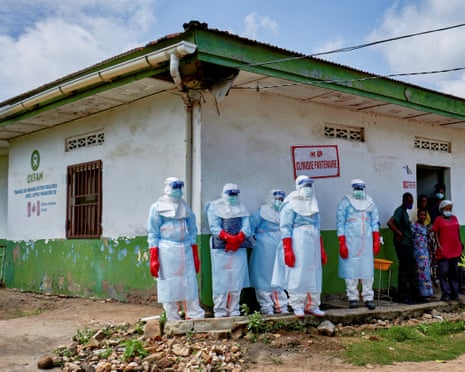
The complexities surrounding disease containment in conflict zones cannot be overstated. South Kivu province, like many areas across the DRC suffering from armed conflict, faces extraordinary challenges in implementing standard outbreak response protocols. Healthcare facilities struggle with inadequate resources, trained personnel remain scarce, and the mobile population constantly moves across porous borders, complicating epidemiological tracking. Health workers attempting to provide care and conduct contact tracing face significant security risks, with some regions witnessing hostility toward medical personnel perceived as government representatives or foreign actors.
International health policy experts have raised fundamental questions about the efficacy of traditional travel bans in addressing modern infectious disease threats. The historical record demonstrates mixed results when nations implement broad restrictions on movement from affected regions. While such measures may offer psychological reassurance to populations in the restricting countries, epidemiologists argue that targeted, science-based interventions prove more effective. These might include enhanced screening at ports of entry, mandatory health declarations from travelers with recent exposure, isolation protocols for confirmed cases, and robust support for healthcare systems in affected countries.
The distinction between effective public health policy and discriminatory travel restrictions has become increasingly blurred in recent years. Critics of the US ban point to the COVID-19 pandemic experience, when numerous travel bans and restrictions were implemented despite limited scientific evidence supporting their effectiveness in preventing transmission. Instead, such measures often produced economic disruption, increased inequality, and fostered resentment in target nations—outcomes that ultimately undermined international cooperation necessary for addressing the public health crisis.
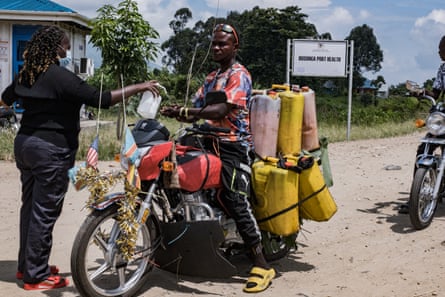
Public health authorities emphasize that outbreak response effectiveness depends critically on transparent information sharing, cross-border cooperation, and sustained investment in healthcare infrastructure across affected regions. The Uganda and South Sudan borders with the DRC create natural corridors for potential disease spread, making regional cooperation absolutely essential. When travel bans discourage transparency and create incentives for concealment, epidemiologists warn they fundamentally compromise the data collection and communication networks necessary for tracking disease progression and identifying new cases before they spread further.
The Africa CDC has articulated a comprehensive alternative framework emphasizing strengthened regional coordination, enhanced laboratory capacity, improved healthcare worker training, and robust community engagement strategies. These approaches address the root causes of outbreak severity—weak health systems, limited diagnostic capacity, and insufficient surveillance infrastructure—rather than merely restricting movement. Proponents argue that investments in these areas provide long-term pandemic prevention benefits extending far beyond any individual outbreak response.
Economic implications of restrictive travel policies cannot be ignored, particularly for nations already struggling with healthcare financing and development challenges. The DRC, Uganda, and South Sudan face already constrained economies, and further isolation through travel restrictions threatens to reduce tourism revenue, discourage foreign investment, limit business travel, and slow economic development during critical periods. These economic consequences may ultimately impair each nation's capacity to fund healthcare improvements and disease response infrastructure—a paradoxical outcome when the stated objective involves public health protection.
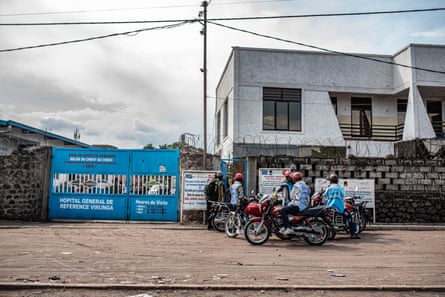
Scientific understanding of Ebola transmission mechanics provides additional context for debates surrounding travel restrictions. The virus transmits primarily through direct contact with bodily fluids of infected individuals or surfaces contaminated with these fluids—not through casual contact, respiratory droplets, or exposure to asymptomatic individuals. This transmission profile means that disease control efforts should focus intensely on identifying confirmed cases, protecting healthcare workers, isolating infected patients, and ensuring safe burial practices. Travel restrictions, by contrast, impose collective punishment on entire populations based on geographic location rather than individual disease status or exposure risk.
The historical context of African nations experiencing international isolation during disease outbreaks carries painful echoes of colonial patterns and ongoing global inequities. Previous outbreaks witnessed similar restrictions that devastated economies without demonstrable epidemiological benefit. These historical experiences inform contemporary skepticism about travel bans, particularly when wealthy nations implement restrictions against African countries while maintaining open borders with others experiencing equivalent or higher disease transmission rates.
Moving forward, public health officials and policymakers face the challenge of balancing legitimate disease control concerns with respect for human rights, economic wellbeing, and scientific evidence. The debate surrounding the US travel ban reflects broader tensions within international health governance about how to address emerging infectious disease threats equitably and effectively. Resolution requires moving beyond simplistic geographic restrictions toward comprehensive, evidence-based approaches that strengthen global health security while respecting the dignity and sovereignty of affected nations.
Source: The Guardian


