
Ecuadorian Fishers Recount Harrowing US Boat Strike

Ecuadorian fishing crew describe terrifying ordeal during US boat strike in Pacific, speaking out about incident tied to anti-narcoterrorism operations.
An Ecuadorian fishing crew has come forward with a dramatic account of their harrowing experience during what they describe as a routine fishing operation that turned into a life-threatening encounter. The incident, which has drawn international attention, highlights the escalating tensions surrounding anti-narcoterrorism operations in the Pacific region and raises serious questions about civilian safety in contested waters.
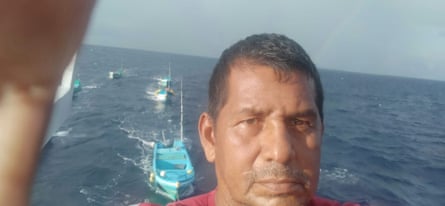
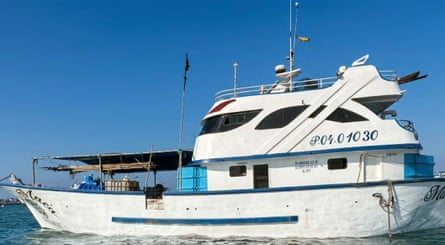
The crew members of the Don Maca fishing vessel were engaged in their daily work, systematically hauling in lines of swordfish and albacore when their ordinary afternoon took an extraordinary and frightening turn. According to eyewitness accounts from the fishers themselves, they were performing legitimate commercial fishing activities in international waters, unaware that their peaceful day was about to be disrupted by a dramatic US boat strike incident.
"We were just working, waiting for the last trawler to return," Jhonny Sebastián Palacios, one of the fishers aboard the Don Maca, recounted to international media outlets. "Everything was perfectly fine." His words capture the sudden nature of the incident, emphasizing how quickly the situation deteriorated from a normal working day into a terrifying ordeal that would test the crew's survival instincts and resolve.
By 4pm, as the Pacific light began its characteristic softening during the late afternoon hours, the crew had settled into the familiar and comforting rhythm that comes with a fishing day drawing toward its natural conclusion. The hold of the vessel contained the day's catch, and the fishers were mentally preparing for the transition from work to rest, an expectation that would be shattered within moments.

The incident has become emblematic of a larger geopolitical situation unfolding in Latin American waters, where narcoterrorism enforcement operations have become increasingly aggressive and controversial. The Trump administration's purported intensification of anti-drug and anti-terrorism efforts in the region has raised concerns among fishing communities, environmental groups, and human rights organizations about the potential for civilian casualties and collateral damage.
Fishing communities throughout Ecuador and neighboring countries have expressed deep anxiety about the escalating military and law enforcement presence in their traditional fishing grounds. These waters have become increasingly dangerous zones where the line between legitimate fishing operations and suspected criminal activity has become dangerously blurred, creating an environment of fear and uncertainty for ordinary commercial fishers trying to make their living.
The survivors of the Don Maca incident have emerged as unexpected spokespersons for the broader fishing community, their personal testimony providing a human face to abstract policy debates about regional security and maritime enforcement. Their willingness to speak publicly about their experience represents a significant act of courage, given the sensitive political context surrounding US military operations in the region and potential concerns about retaliation or further complications.
"We were terrified they were going to kill us," crew members recounted, capturing the psychological intensity and fear that gripped them during the encounter. This statement, simple yet powerful in its directness, encapsulates the trauma experienced by ordinary working people who found themselves caught in a dangerous situation they did not create and could not control or anticipate.
The incident raises critical questions about the protocols and procedures governing maritime enforcement operations in international waters. International maritime law establishes clear guidelines for interactions between military vessels and civilian commercial fishing operations, yet the complexity of modern security challenges has created situations where these protocols may be inadequately understood or inconsistently applied.
Ecuador's fishing industry represents a crucial economic sector for the nation, providing employment for thousands of workers and generating significant export revenue for the country. The vulnerability of fishing crews to dangerous incidents during routine operations threatens not only individual lives but also the economic viability of communities that depend on the sea for their survival and prosperity.
The broader context of anti-narcoterrorism efforts in the Pacific region involves complex coordination between multiple national and international agencies, each with different mandates, resources, and operational procedures. This fragmented structure has sometimes led to miscommunications, unclear authority, and situations where civilian populations bear the consequences of enforcement operations conducted with insufficient intelligence or inadequate communication protocols.
The Don Maca crew's account will likely become an important case study in discussions about reforming maritime enforcement practices and ensuring that security operations do not inadvertently harm innocent civilian populations. Their testimony provides concrete evidence of the human costs associated with security policies that may be well-intentioned but lack sufficient safeguards for civilian protection.
International human rights organizations have begun taking note of incidents like the Don Maca strike, incorporating them into broader documentation efforts regarding civilian casualties and collateral damage in anti-narcoterrorism operations. These organizations argue that enforcement operations must include mandatory safety protocols and clear identification procedures to prevent the targeting or endangerment of legitimate commercial fishing operations.
The experience of the Don Maca crew underscores the urgent need for transparent investigation mechanisms and accountability structures for maritime incidents. Without such mechanisms, the international fishing community will continue to operate under conditions of uncertainty and fear, with crews unsure whether they will be treated as civilians or suspected criminals when encountering military or law enforcement vessels.
Looking forward, the survivors of this incident are likely to become advocates for maritime safety reforms and improved protocols for distinguishing legitimate fishing operations from suspected criminal activity. Their personal testimony and willingness to publicly discuss their ordeal represents a crucial contribution to ongoing conversations about how to balance legitimate security concerns with the protection of innocent civilian populations engaged in lawful economic activities.
The Don Maca incident serves as a powerful reminder that security challenges and enforcement operations, while important for addressing genuine threats, must be conducted in ways that minimize harm to innocent people and respect the rule of law in international waters. The crew's account of terror and fear during what should have been an ordinary working day exemplifies the human dimension often lost in policy discussions about regional security and anti-narcoterrorism strategies.
Source: The Guardian


