
Elite Universities Face Porn Subdomain Crisis

Prestigious university websites compromised with explicit content due to poor domain management. Hundreds of subdomains hijacked across 34+ institutions.
Major universities across the United States are grappling with a significant cybersecurity crisis after their official website subdomains were compromised and weaponized to distribute explicit pornographic content and malicious scams. Security researcher Alex Shakhov recently uncovered this troubling vulnerability affecting some of the world's most respected academic institutions, revealing the dangerous consequences of inadequate domain management practices and negligent record-keeping by university IT administrators.
The compromised institutions include prominent names such as the University of California, Berkeley (berkeley.edu), Columbia University (columbia.edu), and Washington University in St. Louis (washu.edu). Rather than directly accessing the main university homepages, scammers exploited forgotten or abandoned subdomains—specialized web addresses typically used for specific departments, research projects, or services. These subdomains, which had been created years earlier and subsequently abandoned without proper maintenance, became easy targets for malicious actors seeking to host illegal content and fraudulent schemes.
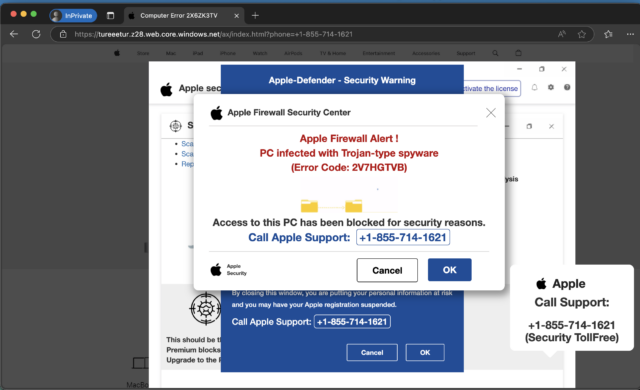
The specific examples of compromised subdomains are particularly alarming in their brazenness. A UC Berkeley subdomain located at causal.stat.berkeley.edu was serving explicit pornographic material through URLs containing obvious adult content references. Similarly, Columbia University's conversion-dev.svc.cul.columbia[.]edu subdomain was redirecting visitors to pornographic websites, while Washington University's provost.washu.edu domain was hosting PDF files containing adult material. These hijacked subdomains didn't merely serve passive content; some directed unsuspecting visitors to scam websites that falsely claimed their computers were infected with malware and demanded payment for unnecessary "security fixes."

The scope of this university subdomain hijacking scandal extends far beyond these three institutions. Shakhov's investigation identified hundreds of compromised subdomains across at least 34 different universities, suggesting a systemic problem in how academic institutions manage their digital infrastructure. Google search results alone returned thousands of indexed pages pointing to these hijacked subdomains, meaning that unsuspecting students, parents, and staff members could easily stumble upon this harmful content while searching for legitimate university resources or conducting research.
The root cause of this widespread vulnerability can be traced directly to poor subdomain governance and sloppy administrative housekeeping. Over the years, universities create numerous subdomains for research projects, experimental initiatives, departmental websites, and temporary services. However, when these projects conclude or services are no longer needed, many institutions fail to properly document, maintain, or deactivate these digital properties. This creates what cybersecurity experts call "domain orphans"—forgotten web addresses that remain active and accessible but lack any legitimate purpose or oversight.
Without proper DNS records, SSL certificates, or active monitoring, these orphaned subdomains become vulnerable to a technique known as subdomain takeover attacks. Malicious actors can register hosting services or web platforms using the university domain names, effectively taking control of these forgotten digital properties. Because these subdomains retain the authority and credibility associated with their parent university domains, search engines like Google readily index them, and users are more likely to trust them. This combination makes them invaluable tools for distributing adult content, running phishing schemes, and spreading malware.

The implications of this security failure are multifaceted and concerning. For the universities themselves, hosting explicit content and fraudulent schemes on their official domains damages institutional reputation and could potentially expose them to legal liability. Students and staff who encounter this content may experience security breaches, as scam sites often harvest personal information or deliver malware. Parents and prospective students searching for information about these institutions may inadvertently access adult material, creating a deeply negative first impression.
Furthermore, this situation illustrates a broader problem in institutional cybersecurity practices. Many universities, particularly those with sprawling IT infrastructures built over decades, struggle to maintain comprehensive inventories of all their digital assets. Without knowing exactly which subdomains exist and which services they support, IT teams cannot effectively secure their networks. This knowledge gap makes it impossible to identify which domains are truly in use versus which have been forgotten and abandoned.
The research community has been aware of similar vulnerabilities for years. Security professionals have published numerous warnings about the risks of unmanaged subdomains and the ease with which attackers can exploit them. However, many organizations have been slow to implement systematic solutions. Creating and maintaining a comprehensive subdomain inventory requires significant time and resources, and many institutions view it as a lower priority compared to protecting main websites and critical academic systems.

Addressing this widespread problem will require a multi-pronged approach from affected universities. First, each institution needs to conduct a thorough audit of all subdomains associated with their primary domain names. This inventory should document the purpose of each subdomain, identify which ones are still in active use, and flag those that have been abandoned. Second, universities must implement automated monitoring systems that can detect when their domains are being misused or when suspicious DNS records are created without authorization.
Third, institutions should establish clear policies for subdomain lifecycle management. This includes requiring documentation when new subdomains are created, establishing regular review schedules to assess whether subdomains remain necessary, and developing procedures for safely deactivating domains that are no longer needed. Fourth, universities must ensure that DNS security features such as DNSSEC are properly configured and that DNS records are regularly audited for unauthorized entries.
Beyond individual institutional responses, this incident highlights the need for better industry-wide standards around domain security best practices. University consortiums and IT professional organizations could develop guidelines and tools specifically designed to help academic institutions manage their increasingly complex digital infrastructure. Additionally, domain registrars could be encouraged to provide better security features and monitoring capabilities for institutional clients.
The discovery by researcher Alex Shakhov serves as a stark reminder that even prestigious institutions with substantial resources can fall victim to relatively unsophisticated attacks when basic security hygiene is neglected. As universities continue to expand their digital presence and create new web-based services to support research and education, the importance of proper infrastructure management cannot be overstated. The institutions affected by this latest compromise now face the dual challenge of cleaning up the damage to their reputation while implementing systems to prevent similar incidents in the future, a costly lesson in the true price of poor domain administration.
Source: Ars Technica


