
Elon Musk Loses OpenAI Lawsuit in Swift Jury Decision

After a three-week trial, jurors deliberated for less than two hours before ruling against Elon Musk in his legal battle with OpenAI.
Elon Musk has suffered a significant legal setback as a jury has ruled decisively against him in his high-profile case against OpenAI, concluding a contentious three-week trial with remarkably swift deliberations. The jury's decision came after less than two hours of discussion, suggesting the panel found the evidence presented during the trial to be compelling and relatively straightforward in its implications for the defendant.
The rapid conclusion of jury deliberations is particularly noteworthy given the complexity and duration of the trial itself. The legal dispute between Musk and OpenAI centered on contractual obligations and the direction of the artificial intelligence company, matters that typically require extensive consideration. The brevity of the jury's deliberation period suggests that the evidence presented during the three-week trial made a clear impression on the panel members, allowing them to reach consensus without prolonged debate.
This landmark ruling carries substantial implications for both parties involved and the broader technology sector. The decision underscores the strength of OpenAI's legal position in the dispute and may influence how similar corporate disagreements are resolved within the tech industry. For Musk, the verdict represents a rare courtroom defeat on matters he has championed publicly.
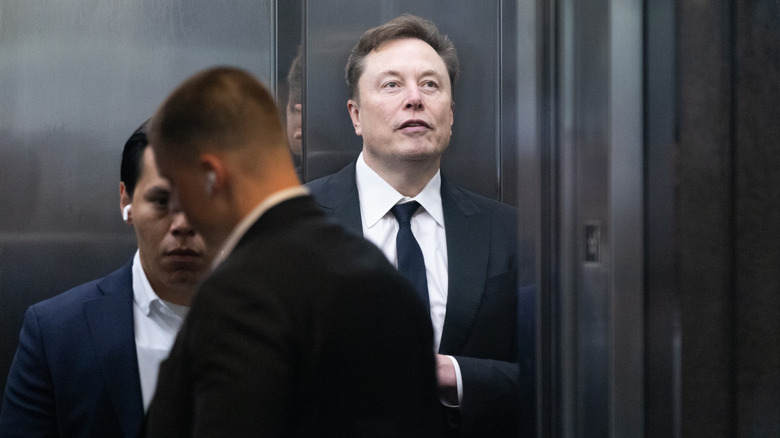
The trial itself spanned three weeks of intense legal proceedings, during which both sides presented their arguments and evidence to support their respective positions. OpenAI's legal team successfully demonstrated their case to the jury, convincing the panel members of the validity of their claims against Musk. The testimony, documents, and expert witnesses presented during this period ultimately shaped the jury's understanding of the complex issues at stake in the litigation.
Throughout the trial, the courtroom proceedings attracted significant attention from technology industry observers, investors, and media outlets covering developments in the artificial intelligence sector. The case touched on fundamental questions about corporate governance, contractual compliance, and the responsibilities of influential figures in emerging technology fields. The jury's verdict provides answers to at least some of these questions, establishing legal precedent in an area where such clarity has previously been lacking.
The swift nature of the jury's deliberation process raises interesting questions about jury decision-making and how clearly the evidence was presented during the trial. When jurors are able to reach consensus so quickly on complex matters, it often indicates that the legal arguments and supporting evidence were persuasive and well-organized. In this instance, the jury apparently had little difficulty in evaluating the facts and applying applicable law to reach their conclusion.
The implications of this ruling extend beyond the immediate legal relationship between Musk and OpenAI. The decision may influence how other technology executives approach their ventures and partnerships, particularly when disputes arise regarding company direction and strategic decisions. Legal experts in the technology sector will likely analyze this verdict carefully to understand its potential precedential value.
For OpenAI, the victory represents validation of their legal position and strengthens their standing in any ongoing disputes or negotiations. The company can point to this jury decision as evidence that their contractual interpretations and business practices have withstood rigorous legal scrutiny. This outcome may also provide organizational momentum as OpenAI continues to navigate the rapidly evolving landscape of artificial intelligence development and deployment.
The case illuminates the tensions that can arise between influential technology entrepreneurs and the companies they help establish or shape in their early stages. As AI technology companies navigate questions of direction, commercialization, and responsibility, disagreements among key stakeholders have become increasingly common. This verdict provides some clarity about how courts may adjudicate such disputes when they reach litigation.
The legal team representing OpenAI will likely view the quick jury deliberation and decisive verdict as vindication of their trial strategy and the strength of their case. The evidence they presented successfully persuaded all jury members to side with the company, demonstrating the effectiveness of their legal arguments. This success could influence how similar cases are approached and litigated in the future.
For observers of the artificial intelligence industry and corporate law more broadly, this verdict serves as an important data point in understanding how courts evaluate disputes involving technology companies and their leadership. The case illustrates that even prominent figures face real legal constraints when disputes with their companies end up in court proceedings. The jury's decision reflects their assessment of the facts and law, without regard to the public prominence of either party involved.
Moving forward, this ruling may influence how similar disputes are resolved through negotiation and settlement, as parties involved in technology ventures may be motivated to reach agreements outside of court. The prospect of facing a jury of peers who may not be sympathetic to arguments from high-profile defendants could encourage alternative dispute resolution approaches. The clear nature of the verdict may also discourage appeals or further litigation on the same issues.
As the OpenAI case concludes with this jury verdict, the technology and business communities will continue monitoring the situation to understand any further developments or enforcement of the judgment. The swift decision and its implications for corporate governance in technology ventures will likely be studied and discussed in business schools and law firms specializing in technology disputes for years to come.
Source: Engadget


