
Energizer's Safe Coin Batteries Stop Internal Burns

Energizer introduces Ultimate Child Shield coin lithium batteries designed to prevent internal burns if swallowed, featuring a blue mouth indicator system.
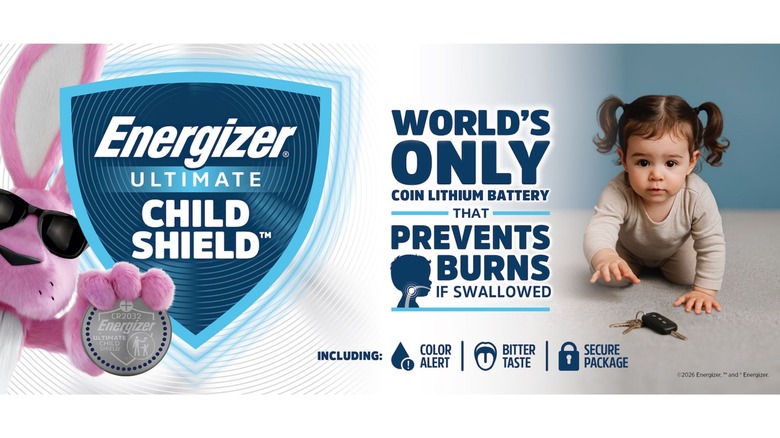
Energizer has unveiled an innovative breakthrough in battery safety technology with the introduction of its Ultimate Child Shield coin lithium batteries, a product specifically engineered to address one of the most critical health hazards facing young children worldwide. These specialized batteries represent a significant advancement in child safety engineering, offering parents and caregivers unprecedented peace of mind when it comes to accidental battery ingestion.
The primary innovation behind the Energizer Ultimate Child Shield batteries lies in their revolutionary design that fundamentally changes how coin lithium batteries behave when accidentally swallowed. Unlike traditional coin batteries, which can cause severe internal burns within just a few hours of ingestion, these new batteries are formulated to eliminate the risk of thermal injury to internal tissues and organs. The chemistry has been carefully modified to prevent the chemical reactions that typically generate the dangerous heat responsible for tissue damage.
Beyond the core safety feature, Energizer has incorporated an ingenious secondary warning system into these batteries that serves as an additional layer of protection. The batteries turn the victim's mouth blue when ingested, creating an unmistakable visual indicator that medical professionals and parents can immediately recognize. This distinctive coloration system acts as a rapid alert mechanism, signaling that battery ingestion has occurred and emergency medical attention may be necessary, even if the child shows no immediate symptoms.
The development of these batteries comes in response to an escalating public health crisis involving accidental battery ingestion in children. Button batteries, particularly coin lithium batteries, have become increasingly prevalent in household items including toys, calculators, watches, hearing aids, and remote controls. Each year, thousands of children accidentally ingest these batteries, leading to emergency room visits, hospitalizations, and in some cases, tragic outcomes. The problem has become so widespread that medical organizations have issued urgent warnings about the dangers of these small, seemingly innocuous objects.
The mechanism of injury from traditional button batteries is particularly devastating because it occurs rapidly and silently. When a battery becomes lodged in the esophagus or elsewhere in the digestive tract, it creates an electrical circuit with surrounding tissues. This circuit produces sodium hydroxide, a caustic substance that burns through tissue layers, potentially causing perforations in the esophageal wall and other internal structures. Medical professionals have reported cases where children have suffered severe injuries requiring multiple surgeries, long-term hospitalization, and permanent complications, all from ingesting a single button battery.
Child safety innovation in the battery industry has been relatively stagnant for years, making Energizer's new product a watershed moment in injury prevention. The company worked extensively with pediatric medical experts, toxicologists, and safety engineers to develop a solution that could meaningfully reduce harm while maintaining the functionality that consumers expect from these essential power sources. The result is a battery that performs identically to conventional coin batteries in normal use but behaves completely differently if ingested.
The blue mouth indicator system incorporated into these batteries serves multiple crucial functions beyond simple visual identification. The coloration is designed to be temporary and non-toxic, disappearing within a few hours but remaining present long enough for medical personnel to identify that battery ingestion has occurred. This is particularly important because many parents and caregivers might not immediately suspect battery ingestion as the cause of a child's distress, and the blue staining provides medical teams with crucial diagnostic information that could accelerate treatment.
Energizer's commitment to expanding the Ultimate Child Shield battery line represents a recognition that product safety responsibility extends beyond regulatory compliance to proactive innovation. The company has indicated plans to integrate this protective technology across multiple battery formats and sizes commonly found in household products, recognizing that children are exposed to button batteries from numerous sources. This comprehensive approach addresses the reality that safety solutions must be broad-based to be truly effective.
The development timeline for this technology spanned several years of intensive research and testing. Energizer's innovation teams conducted extensive laboratory analysis to understand how to modify battery chemistry without compromising the electrical performance that manufacturers require. The tests included simulations of various ingestion scenarios, interactions with different tissue types, and evaluation under diverse conditions to ensure the safety features would work consistently across all potential situations.
Medical organizations have begun endorsing these innovative batteries as a meaningful step forward in child safety. Pediatric gastroenterologists and emergency medicine specialists have noted that while prevention of battery ingestion remains the primary goal, having batteries that cannot cause internal burns represents a crucial secondary layer of protection for when accidental ingestion does occur. This multi-layered approach to safety reflects modern best practices in injury prevention, which emphasize both prevention and harm reduction.
The broader implications of this battery safety innovation extend beyond individual families to the entire consumer products industry. The success of Energizer's Ultimate Child Shield batteries may encourage other manufacturers to invest in similar safety enhancements, potentially creating a market-wide transformation in how button batteries are engineered. This type of competitive innovation has historically driven significant improvements in product safety across various industries.
Consumer awareness represents another critical component of maximizing the impact of this new technology. Parents and caregivers need to understand that while these batteries offer enhanced protection, they still require the same precautions as all button batteries, including secure storage away from children and immediate medical attention if ingestion is suspected. Energizer and medical organizations are working together to develop educational campaigns that inform the public about both the existence of these safer batteries and the importance of prevention strategies.
The economics of manufacturing these advanced batteries must also be considered. Energizer has stated that the Ultimate Child Shield batteries will be priced competitively with standard coin lithium batteries, recognizing that safety enhancements should not be prohibitively expensive for families. This pricing strategy is critical for ensuring widespread adoption and maximum public health benefit, as premium pricing could limit availability to only affluent consumers.
Looking forward, the introduction of Energizer's Ultimate Child Shield batteries establishes a new standard for what consumers should expect from battery manufacturers regarding child protection and safety responsibility. As awareness grows about these safer alternatives, consumer demand may create market pressure for broader adoption of similar technologies across the industry. This represents a positive example of how innovation can address genuine public health hazards while maintaining commercial viability.
Source: Engadget


