
Energy Boss Suggests Blackouts Worth Lower Bills

Octopus Energy CEO argues households may accept occasional blackouts to reduce energy costs. Challenges costly grid investments affecting UK bills.
Octopus Energy's leadership has sparked significant debate by proposing that British households might be willing to tolerate periodic electricity blackouts if such trade-offs resulted in substantially lower energy bills. This provocative suggestion challenges conventional thinking about power grid reliability and household expectations, positioning affordability against infrastructure investment in the ongoing energy crisis conversation.
Greg Jackson, the chief executive of the UK's largest energy supplier, has become an unlikely advocate for reconsidering how the nation prioritizes grid modernization costs. His perspective emerges against the backdrop of escalating household energy expenses, which have driven millions of British families into fuel poverty and sparked widespread frustration with energy companies. Jackson's argument centers on the notion that the relentless push to upgrade and fortify the power infrastructure—while ostensibly necessary—carries hidden costs that disproportionately burden ordinary consumers through elevated monthly bills.
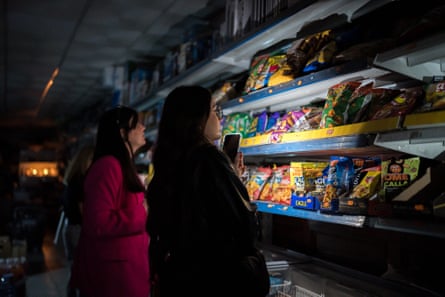
The timing of Jackson's remarks proves particularly noteworthy, arriving just one year after Europe's largest power outage devastated Spain and Portugal with widespread consequences. That catastrophic event, which cascaded across the Iberian Peninsula, left tens of millions of people without essential services including trains, metros, traffic lights, ATMs, phone connections, and internet access. The outage demonstrated the fragility of modern power systems and the severe disruption that occurs when electrical infrastructure fails, raising questions about whether investing heavily in grid resilience might actually be justified despite the cost burden on households.

Jackson's argument specifically targets what he characterizes as costly grid investments that ostensibly contribute to the ever-rising energy expenses faced by British households. Rather than accepting the prevailing consensus that infrastructure modernization is non-negotiable, the Octopus Energy leader proposes evaluating the trade-off between reliability and affordability through a different lens. He suggests that policymakers and energy companies should consider whether consumers would genuinely prefer lower monthly bills even if it meant experiencing occasional, managed power disruptions rather than maintaining continuous, expensive infrastructure upgrades.
This perspective challenges the fundamental assumptions underlying energy policy across the developed world. Most nations have assumed that power grid reliability should remain sacrosanct, with any compromise to service continuity treated as unacceptable. However, Jackson's proposal invites consideration of whether this consensus reflects genuine consumer preferences or simply the prevailing orthodoxy of energy sector leaders and regulators. In a country where millions struggle with energy costs during winter months and face impossible choices between heating and eating, the prospect of lower bills might hold genuine appeal, even with caveats about occasional service interruptions.
The proposal also touches upon deeper questions about how societies allocate resources and what trade-offs are genuinely acceptable in pursuing competing policy objectives. The UK energy sector faces mounting pressures from multiple directions: the need to transition toward renewable energy sources, the requirement to maintain aging infrastructure, demands for increased electrification as society moves away from fossil fuels, and expectations that bills remain affordable for vulnerable populations. These competing demands create genuine tensions that may not admit of perfect solutions.
Jackson's remarks reflect broader frustration within the energy industry about the expectations placed upon suppliers and infrastructure operators. The costs of maintaining and upgrading the grid continue escalating, driven by aging equipment, increased demand from electrification initiatives, and investments required to integrate renewable energy sources with variable generation patterns. Someone ultimately bears these costs, and currently, they flow directly to consumers through their monthly bills. The Octopus Energy chief executive appears to be questioning whether the current cost allocation adequately reflects consumer preferences.
The response to Jackson's suggestion has proven mixed, with some observers noting the uncomfortable implications of suggesting that vulnerable populations should accept unreliable power supplies in exchange for marginally lower costs. Critics argue that electricity access constitutes a basic necessity in modern society, and that any framework normalizing blackouts—even occasional ones—sets a dangerous precedent that could disproportionately harm elderly residents, medical equipment users, and other vulnerable groups who depend on continuous power supply.
Energy policy experts have pointed out that Jackson's framing may oversimplify the genuine complexities involved in power system management. Modern grids must balance numerous competing demands, including accommodating variable renewable energy sources, maintaining reserves for unexpected disruptions, upgrading aging equipment, and meeting growing overall demand as electrification advances. The notion that consumers could simply accept occasional blackouts ignores how integrated modern society has become with reliable electricity—from hospital equipment to data centers to heating systems that keep people alive during winter months.
The broader context for Jackson's remarks includes mounting political and social pressure on energy companies regarding bill affordability. The UK government has implemented various price cap mechanisms and windfall taxes on energy providers, reflecting popular sentiment that current energy costs are unsustainable. Against this backdrop, the Octopus Energy leader's suggestion might be interpreted as pushing back against regulatory constraints that limit company profitability while arguing that consumers themselves might prefer different trade-offs than regulators currently permit.
Nevertheless, Jackson's proposal offers a valuable opportunity to examine societal assumptions about energy infrastructure priorities and the true preferences of consumers facing difficult economic choices. While few would genuinely welcome rolling blackouts, his comments highlight the tension between maintaining expensive, comprehensive power systems and keeping energy affordable for households struggling with bills. The debate his remarks have generated may ultimately prove more valuable than any specific policy outcome—fostering discussion about how societies should balance reliability, affordability, and sustainability in their energy systems.
Source: The Guardian


