
England's Hidden Heritage Crisis: Victorian Society Reveals 10 Most Endangered Buildings

The Victorian Society releases its annual endangered buildings list, highlighting historic structures across England and Wales facing decay and neglect, including the iconic Tees Transporter Bridge.
The Victorian Society has released its highly anticipated annual compilation of the most endangered buildings in England and Wales, shining a spotlight on architectural treasures at critical risk of deterioration and abandonment. This year's list features an eclectic mix of industrial landmarks, community spaces, and heritage structures that represent some of the most significant examples of Victorian and Edwardian architecture facing uncertain futures. The release of this curated inventory serves as a clarion call to policymakers, conservation organizations, and the general public about the urgent need to preserve Britain's architectural legacy.
Among the notable sites included in this year's endangered list is the Tees Transporter Bridge, an iconic structure that dominates the industrial landscape of Teesside. This engineering marvel, which dates back to the early twentieth century, stands as a testament to Britain's industrial heritage and innovative design. The bridge has become emblematic of the broader challenges facing Victorian and Edwardian-era structures across the country, as aging infrastructure and insufficient funding threaten their survival. The inclusion of such a prominent landmark underscores the scale and scope of the conservation crisis affecting Britain's built environment.
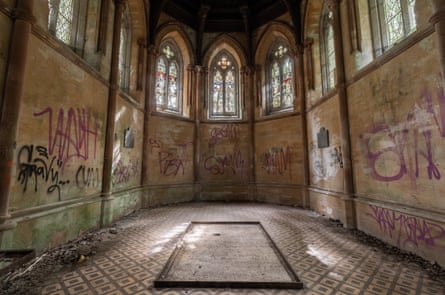
Also featured prominently on the endangered buildings list is a former working men's club located in Barrow-in-Furness, a structure that carried tremendous social and cultural significance for its community. These establishments historically served as vital gathering places for working-class families, providing spaces for social interaction, entertainment, and mutual support. The deterioration of such buildings represents the loss not only of architectural heritage but also of important social history that shaped British communities throughout the twentieth century. The club's precarious condition highlights how cultural and community spaces are particularly vulnerable to neglect when their original functions become obsolete.

In Hackney, East London, the list includes a distinctive disinfecting station that represents a fascinating chapter in public health history. Built during the Victorian era when diseases ravaged urban populations, these stations played a crucial role in combating the spread of contagious illnesses through the systematic disinfection of clothing and personal items from affected households. The preservation of such structures offers invaluable insights into how communities responded to public health crises in earlier centuries. Today, this architectural remnant stands as a poignant reminder of the innovations and determination that characterized Victorian-era public health initiatives.
The Victorian Society has established its annual endangered buildings list as a strategic mechanism for directing national attention toward historic properties that face existential threats from decay, commercial redevelopment, or simple neglect. By publishing this curated selection of at-risk sites, the organization aims to mobilize conservation efforts, stimulate media coverage, and encourage stakeholders at all levels to take concrete action toward preservation. The list functions as both a warning system and a call to action, identifying structures that require immediate intervention to prevent irreversible loss. The organization's work reflects growing recognition that Britain's architectural heritage represents an irreplaceable cultural asset that deserves protection and investment.
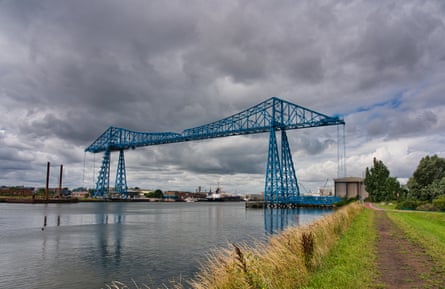
The inclusion of diverse building types on the endangered list—from industrial infrastructure to residential and civic structures—demonstrates the breadth of the conservation crisis affecting British heritage. Each category of building presents unique preservation challenges and requires tailored approaches to restoration and protection. Industrial structures like the Tees Transporter Bridge face challenges related to their massive scale and the specialized expertise required for restoration, while community buildings struggle with changing social patterns and reduced funding for cultural preservation. The variety of sites on the list underscores that the threat to Britain's architectural heritage is systemic and multifaceted, affecting buildings across all sectors and regions.
The Victorian and Edwardian periods produced some of Britain's most distinctive and innovative architecture, reflecting the era's economic prosperity, technological advancement, and cultural confidence. These buildings showcase exceptional craftsmanship, imaginative design, and structural innovations that influenced architectural practice globally. The loss of such buildings would represent a significant diminishment of Britain's cultural and historical legacy, eliminating tangible connections to the nation's industrial past and social development. The heritage preservation movement recognizes that these structures serve as essential repositories of historical knowledge and aesthetic achievement that cannot be easily replaced or replicated.
The endangered buildings list serves as a crucial tool for engaging the broader public in conversations about architectural conservation and cultural heritage. By highlighting specific structures that are at immediate risk, the Victorian Society creates compelling narratives that help people understand the stakes involved in preservation efforts. Media attention generated by the list raises awareness about heritage conservation among audiences who might not otherwise engage with the topic. The organization's advocacy work demonstrates how strategic communication can translate into tangible conservation outcomes and increased funding for at-risk properties.
Addressing the challenges faced by at-risk historic buildings requires coordinated action involving government agencies, local authorities, charitable organizations, private owners, and community groups. Effective preservation strategies must balance practical considerations such as cost and accessibility with the imperative to maintain architectural integrity and historical authenticity. Successful conservation projects often depend on innovative funding mechanisms, including heritage grants, charitable donations, and public-private partnerships. The complexity of these challenges underscores why organizations like the Victorian Society play such a vital role in advocacy, research, and coordination of preservation efforts across England and Wales.
Looking forward, the continued success of heritage conservation depends on sustained commitment from stakeholders across society. The Victorian Society's annual endangered buildings list will continue to serve as an important mechanism for identifying priorities and mobilizing resources toward preservation. As Britain grapples with the dual challenges of maintaining its architectural heritage while accommodating contemporary needs and development pressures, the work of conservation organizations becomes increasingly essential. The buildings featured on this year's list represent opportunities to demonstrate that thoughtful stewardship of historical structures can be compatible with modern community needs and economic vitality.


