
England to Ban Mobile Phones in Schools via New Bill

Government introduces statutory ban on mobile phones in schools through amendment to children's wellbeing bill. New legislation replaces existing guidance with enforceable rules.
The government has announced plans to introduce a statutory ban on mobile phones in schools across England, marking a significant shift in how educational institutions manage student device usage. This comprehensive policy change will be implemented through a formal amendment to the children's wellbeing and schools bill, which lawmakers will present to the House of Lords. The move represents the government's commitment to addressing mounting concerns about the impact of smartphones on student wellbeing, academic performance, and school safety.
Officials have emphasized that the mobile phone ban in schools is essential to ensure that "critical safeguarding legislation" can proceed without further delays. The amendment comes after the original bill faced considerable opposition from peers on the opposition benches, who raised various concerns about the proposal's scope and implementation. By incorporating the phone ban directly into the legislation, the government aims to streamline the process and prevent additional parliamentary holdups that could delay crucial child protection measures.
The decision to pursue a statutory ban rather than guidance reflects a recognition that voluntary compliance has proven insufficient in addressing the widespread presence of mobile devices in classrooms. Previous non-binding recommendations have failed to create consistent standards across schools, with many institutions struggling to enforce informal policies effectively. The statutory approach will establish legally binding requirements that all schools must follow, creating uniform standards nationwide and eliminating discrepancies between different educational settings.
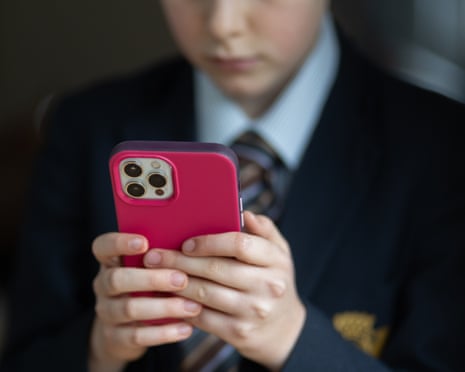
This legislative move responds to growing evidence suggesting that smartphone use affects student learning outcomes and mental health. Educational researchers have documented how mobile phone distractions contribute to reduced concentration, lower academic achievement, and increased anxiety among young people. Schools have reported that managing phone use during instructional time consumes significant administrative resources and creates ongoing disciplinary challenges that distract from educational objectives.
The bill's amendment process highlights the complex nature of education policy in the UK Parliament, where competing priorities and stakeholder interests often create procedural obstacles. The House of Lords serves as a crucial check on legislation, allowing peers to scrutinize bills thoroughly and raise important considerations that the Commons may have overlooked. However, when bills become stalled by procedural disputes, the government must find creative legislative solutions to move forward, which in this case involves incorporating the phone ban directly into the broader children's wellbeing framework.
Proponents of the school phone ban argue that removing devices from classrooms will create more conducive learning environments and reduce cyberbullying, particularly through social media platforms accessible via smartphones. Teachers have reported that students frequently use phones to photograph and share embarrassing moments of classmates online, contributing to psychological harm and social division. Additionally, the constant availability of phones enables cheating during assessments and promotes dependency on digital validation through likes and comments, undermining students' ability to engage authentically with their education.
The safeguarding dimension of this legislation cannot be overstated, as mobile phones present both protective and risk factors for children's safety. While phones can enable students to contact emergency services or trusted adults during crises, they also facilitate inappropriate contact from adults, exposure to harmful content, and pressure from peers to share sensitive images. Schools have increasingly documented cases where phones enable predatory behavior, including grooming and sextortion, necessitating more robust protective measures within the educational environment.
Implementation of the mobile phone ban legislation will require schools to develop clear policies regarding when and how students can access their devices during the school day. Many institutions will need to invest in secure storage solutions, establish procedures for emergency communication, and train staff on enforcement strategies. The government will likely provide guidance on accommodating students with legitimate needs for phones, such as those managing medical conditions or using specific accessibility applications, ensuring the policy doesn't inadvertently disadvantage vulnerable learners.
The amendment's inclusion in the children's wellbeing and schools bill positions the phone ban as part of a broader commitment to protecting young people's physical and psychological health. The legislation addresses multiple dimensions of child welfare, recognizing that school environments must be safe, supportive spaces where students can focus on academic and personal development without the pervasive distraction of mobile technology. By embedding this policy within comprehensive safeguarding legislation, the government signals that device management is integral to overall school safety and student protection strategies.
Opposition voices have raised concerns about implementing such restrictions, questioning whether absolute bans represent the most balanced approach to teaching students about responsible technology use. Some educators argue that complete prohibition may prevent teenagers from developing healthy digital literacy and decision-making skills they'll need as adults. Privacy advocates also worry about the implications of schools restricting students' access to communication devices during emergencies or personal crises.
The government's decision to pursue statutory rather than advisory measures suggests confidence that the benefits of phone restrictions outweigh these concerns. Pilot programs in several English schools have demonstrated measurable improvements in student focus, behavioral incidents, and social interaction following implementation of strict phone policies. These evidence-based results have bolstered government confidence that a widespread ban would produce significant positive outcomes across the education system.
Timeline for the amendment's passage through Parliament remains uncertain, as the House of Lords will need to debate and vote on the proposed changes. The government's strategic placement of the phone ban within critical safeguarding legislation suggests an expectation that peers will prioritize advancing essential child protection measures, even if some disagree with specific amendments. Once passed, schools will likely receive a transition period to develop implementation strategies and communicate new policies to students, parents, and staff.
The England school phone ban represents part of a growing international trend toward restricting device usage in educational settings. Countries including France, Sweden, and Australia have implemented similar policies with varying levels of strictness, offering potential models for how England might structure and enforce such restrictions. These international examples demonstrate that device management in schools is increasingly recognized as essential to protecting adolescent wellbeing and creating optimal learning environments.
As Parliament considers this amendment, the underlying debate reflects broader societal questions about children's relationship with technology and the responsibility of institutions to establish healthy boundaries. The move toward statutory regulation of mobile phones in schools acknowledges that individual school choice and parental guidance have proven insufficient to address systemic challenges created by ubiquitous smartphone access. This legislative approach represents a collective decision that protecting young people's educational experience and psychological health warrants stronger intervention than voluntary measures have provided.


