
Environmental Groups Challenge BP's Gulf Oil Project

Climate advocates file lawsuit against Trump administration's approval of BP's ultra-deep drilling project in Gulf of Mexico, citing Deepwater Horizon legacy.
Environmental organizations have initiated formal legal action against the Trump administration's decision to greenlight BP's massive ultra-deep oil drilling project in the Gulf of Mexico. The lawsuit comes at a particularly symbolic moment—exactly 16 years after the catastrophic Deepwater Horizon disaster, which remains one of the most devastating environmental disasters in American history. The timing underscores the concerns held by climate advocates regarding the approval of this new offshore drilling project and what they view as the government's insufficient consideration of environmental risks.
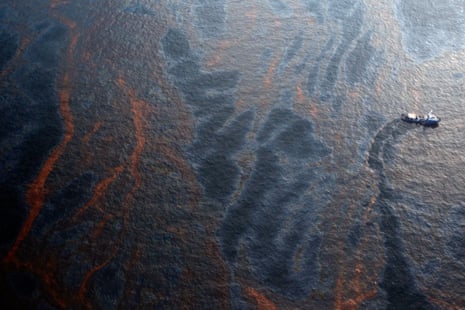
The environmental groups challenging this decision have raised serious alarm bells about the implications of deeper ocean drilling and the technological challenges it presents. Their concerns are rooted in BP's documented failures during the Deepwater Horizon incident, a blowout that resulted in the deaths of 11 workers and unleashed approximately 4.9 million barrels of crude oil into the Gulf of Mexico. This unprecedented environmental catastrophe exposed critical safety gaps in offshore drilling operations and raised persistent questions about whether adequate safeguards have been implemented to prevent similar incidents.
The lawsuit challenges the government's environmental review process and argues that decision-makers failed to adequately assess the risks associated with ultra-deep water exploration. Environmental advocates contend that the approval was granted without sufficient consideration of climate change impacts, potential spill consequences, and the cumulative effects of expanded oil production on marine ecosystems. The plaintiffs argue that the administration's decision prioritizes short-term energy production gains over long-term environmental protection and climate commitments.
BP's proposed project would involve drilling operations at depths exceeding those attempted during previous ventures, pushing the boundaries of current offshore technology and expertise. Advocates contend that deep sea drilling operations present inherent risks that cannot be fully mitigated, particularly given the company's troubling track record with major operational failures. The sheer depth and remoteness of these drilling sites make emergency response and containment efforts exponentially more challenging than shallow-water operations, a concern that weighs heavily on environmental assessments.
The environmental groups argue that the government's approval process lacked transparency and failed to adequately consider input from climate scientists, oceanographers, and conservation organizations. They point out that the review should have placed greater emphasis on the project's contribution to carbon emissions and its contradiction with stated climate goals and international commitments to reducing greenhouse gas production. Additionally, the plaintiffs claim insufficient analysis was conducted regarding impacts on marine life, fisheries, and coastal communities that depend on a healthy Gulf ecosystem.
This legal challenge represents part of a broader struggle between environmental advocates and energy industry interests over the future direction of America's energy policy. Climate groups have become increasingly vocal and litigious in response to what they perceive as regulatory capture and inadequate environmental protections. The lawsuit demonstrates the determination of these organizations to use the courts as a venue for challenging executive branch decisions they view as environmentally reckless and legally deficient.
The Deepwater Horizon disaster remains a watershed moment in discussions about offshore drilling safety and government oversight. That 2010 catastrophe fundamentally altered public perception of oil company reliability and prompted significant regulatory changes, including stricter safety protocols and enhanced inspection requirements. However, environmental groups argue that these reforms have been substantially weakened over the years, with industry lobbying efforts successfully pushing back against protective measures. They contend that the current administration's approval of BP's new project suggests that hard-learned lessons from Deepwater Horizon have been forgotten or deliberately disregarded.
BP's response to the lawsuit and the environmental criticism remains to be seen, though the company has historically maintained that it operates under the strictest safety standards and that its post-Deepwater Horizon operations demonstrate a commitment to responsible energy production. The company has invested billions in safety improvements and claims to have implemented comprehensive risk management protocols for deepwater exploration projects. Nevertheless, critics argue that no amount of corporate claims can overcome the fundamental risks inherent in ultra-deep offshore drilling or eliminate concerns about inadequate regulatory oversight.
The lawsuit also highlights the broader political context surrounding energy policy during the current administration. The Trump administration has actively promoted domestic energy production and has moved to streamline permitting processes for oil and gas projects. This approach contrasts sharply with the previous administration's emphasis on transitioning toward renewable energy sources and implementing stricter environmental regulations. The approval of BP's project fits within this broader policy framework of prioritizing fossil fuel development over climate considerations.
Legal experts anticipate that this case will involve complex questions about administrative law, environmental impact assessment, and the scope of government authority in approving major industrial projects. The legal challenge to the project approval will likely focus on whether the government followed proper procedures, whether it adequately considered all relevant environmental factors, and whether it acted arbitrarily in granting approval. These are the typical legal standards that courts apply when reviewing agency decisions challenged by environmental groups.
The broader implications of this lawsuit extend beyond BP's specific project. A successful challenge could establish important precedents regarding how thoroughly government agencies must evaluate environmental risks before approving major offshore drilling operations. Conversely, if the administration's approval is upheld, it may embolden other energy companies to pursue similarly ambitious deepwater projects, potentially accelerating expansion of offshore drilling infrastructure. The case thus carries significance far beyond the immediate parties involved.
As this legal battle unfolds, it will undoubtedly attract significant media attention and serve as a focal point for debates about energy independence, environmental protection, and governmental responsibility. Environmental organizations view this lawsuit as a critical opportunity to challenge what they see as reckless decision-making and to vindicate the importance of rigorous environmental review processes. The outcome will likely influence not only BP's specific project but also the broader trajectory of offshore energy development policy in the United States for years to come.
Source: The Guardian


