
Epstein's Sealed Suicide Note Finally Revealed by Court

Federal judge unseals alleged suicide note from Jeffrey Epstein discovered by cellmate after July 2019 suicide attempt in NYC jail.
In a significant development regarding the Jeffrey Epstein case, a federal judge has unsealed an alleged suicide note attributed to the convicted financier on Wednesday, marking the first public release of this closely guarded document. The disclosure comes years after the controversial circumstances surrounding Epstein's death while in custody, reigniting discussions about what transpired during his incarceration at the Metropolitan Correctional Center in Manhattan.
According to court documents and testimony, Nicholas Tartaglione, who served as Epstein's cellmate at the high-security Manhattan detention facility, discovered the note following an unsuccessful suicide attempt in July 2019. This occurred approximately one month before Epstein's death in August 2019, which officials ruled a suicide by hanging. The circumstances of his death and the contents of any written communication he may have left behind have been subjects of intense scrutiny and speculation among legal experts, media observers, and the public.
The unsealing of this document represents a critical piece of evidence in understanding the final weeks of Epstein's life while imprisoned. The Metropolitan Correctional Center, located in downtown Manhattan, was where the billionaire financier awaited trial on federal charges related to sex trafficking. The facility has since become notorious for its security failures and poor conditions, issues that gained national attention following Epstein's death and subsequent investigations into the circumstances surrounding it.
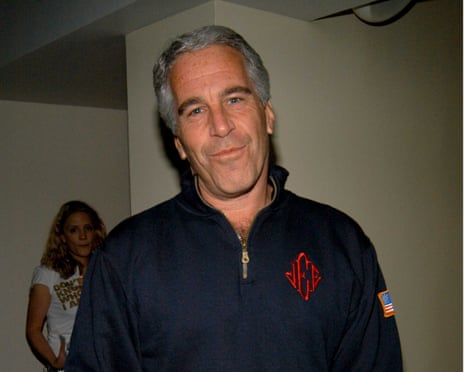
The discovery and documentation of this alleged note by his cellmate provides a window into Epstein's mental state during his detention. Legal experts have noted that the unsealing of such personal documents is rarely done without significant justification, suggesting that the court determined the public interest in understanding the case outweighed privacy concerns. This decision reflects the ongoing controversy surrounding Epstein's death and the numerous questions that remain unanswered about the events leading up to it.
Nicholas Tartaglione's role as a witness in this matter cannot be understated. As the person who allegedly discovered the note, his testimony and credibility have been central to understanding what occurred in the cell during that critical period in July 2019. The suicide note content, while still somewhat redacted in parts, has now been examined by the public and legal analysts attempting to reconstruct Epstein's final days in custody.
This case has drawn comparisons to other high-profile detainees and questions about prison safety protocols. The events surrounding Epstein's incarceration at the federal detention facility raised serious concerns about the adequacy of suicide prevention measures, the qualifications of monitoring staff, and whether proper procedures were followed during his initial suicide attempt. These failures became the subject of multiple investigations and congressional inquiries.
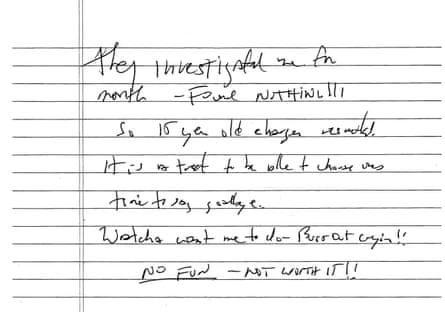
The timeline of events proves crucial to understanding the broader narrative. Epstein's July 2019 attempt was a significant indicator that he was experiencing severe psychological distress while awaiting trial. The fact that he survived this initial attempt but died less than a month later under disputed circumstances has fueled numerous theories about what really happened during his final night in custody.
Prison reform advocates and civil rights organizations have utilized this case as a focal point for discussions about systemic failures in the American correctional system. They argue that the Epstein case demonstrates how vulnerable individuals, regardless of their wealth or status, can fall through the cracks of a system designed to protect those in state custody. The inadequate monitoring, staff shortages, and procedural failures documented in subsequent investigations have led to calls for comprehensive reforms.
The unsealing of the note also raises important questions about documentary evidence preservation and public access to information in high-profile cases. Legal scholars have debated whether such materials should be made public and what standards should apply to their release. In the Epstein case, the federal judge apparently determined that the significance of the case and public interest justified disclosure despite the sensitive nature of the document.
For survivors of sexual abuse and assault, the developments in the Epstein case carry particular weight. Many have followed the legal proceedings closely, seeking justice and answers about the extent of his criminal enterprise. The availability of new documentary evidence, including this alleged suicide note, may provide additional context and closure, though it simultaneously raises difficult questions about responsibility and accountability in the system that failed to protect his victims adequately.
Mental health professionals and forensic experts have weighed in on what the note's content may reveal about Epstein's psychological state. Some have suggested that such documents can provide insight into the thoughts and motivations of individuals in extreme distress, while others caution against over-interpreting written statements made during acute mental health crises. The unsealing of this document provides researchers and professionals with another data point in understanding institutional responses to detained individuals with mental health concerns.
The broader implications of this unsealing extend beyond the individual case. It has sparked renewed examination of how federal detention facilities manage high-profile, high-risk inmates. Questions persist about whether sufficient safeguards exist to prevent similar tragedies and whether the lessons from the Epstein case have been adequately implemented across the federal prison system.
This development in the Epstein case serves as a reminder of the complexity surrounding his incarceration and death. While authorities maintain that he died by suicide, critics continue to raise questions about the evidence and procedures followed during his detention. The unsealing of the alleged note represents another chapter in the ongoing scrutiny of how one of the most controversial figures in recent criminal history spent his final weeks.
For those affected by the case—whether as victims seeking accountability, as observers interested in criminal justice, or as advocates for systemic reform—the release of this document marks a significant moment in understanding the complete narrative. As additional materials continue to emerge and become part of the public record, they contribute to a fuller picture of the events surrounding Jeffrey Epstein's controversial death and the failures that may have contributed to it.


