
Epstein Survivors Find Strength in #MeToo Movement

Discover how #MeToo has empowered Epstein survivors to speak out collectively. Learn about their Capitol Hill testimony demanding transparency and accountability.
The #MeToo movement has fundamentally reshaped how survivors of sexual abuse and trafficking approach accountability and justice. One of its most profound and enduring contributions has been the creation of collective power among survivors – a solidarity that transcends individual trauma and transforms personal experiences into a unified force for institutional change. This movement's lessons and momentum have proven particularly significant in high-profile cases, none more so than the ongoing fight for justice by survivors of Jeffrey Epstein and Ghislaine Maxwell.
In September, a pivotal moment unfolded on Capitol Hill when dozens of survivors gathered together at a press conference that would come to symbolize a watershed moment in their struggle for recognition and justice. Standing shoulder to shoulder, these brave individuals demonstrated the tangible power that emerges when survivors unite around a common cause. The atmosphere was palpable – a complex mixture of exhaustion accumulated over years of fighting for their voices to be heard, coupled with an unwavering resolve to achieve the accountability they deserve. Each survivor who spoke detailed the systematic abuse they endured, abuse that had been dismissed, buried beneath layers of institutional indifference, or deliberately ignored by those in positions of power.
Their demands during this historic gathering were clear and uncompromising: they called for complete and unambiguous transparency from all parties involved, comprehensive public accountability for those responsible for their suffering, and formal recognition of the profound harm inflicted upon them by their abusers and traffickers. Most significantly, they unified their voices in demanding the release of the Epstein files – the extensive collection of documents that provide a detailed chronicle of criminal activity and illuminate the complex social networks surrounding the convicted sex offender.

The media response to this gathering marked a significant departure from previous coverage patterns. For the first time in recent years, major broadcast networks including NBC and ABC made the deliberate choice to carry the survivors' voices live and in their entirety, rather than presenting fragmented soundbites. The decision to broadcast the full weight and humanity of their testimony represented a fundamental shift in how mainstream media was treating these narratives. This represented far more than simple news coverage – it was a public acknowledgment that the voices of survivors, particularly women survivors, deserved primacy in conversations about abuse and justice.
Historically, coverage of the Epstein scandal had been characterized by a troubling pattern: media outlets focused disproportionately on the powerful men who appeared in the documents, with extensive speculation and investigation into their potential involvement. The public narrative centered on names that carried political power and celebrity status, rather than on the experiences and voices of those who had suffered directly at Epstein's hands. This editorial choice, whether conscious or unconscious, had effectively sidelined the primary victims of Epstein's crimes while elevating the reputations and potential legal jeopardy of the wealthy and influential.
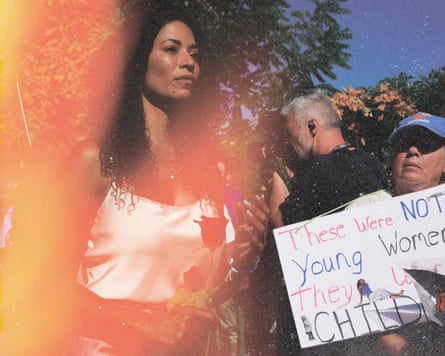
The Capitol Hill press conference felt like a genuine breakthrough to observers and advocates who have long championed survivors' rights. After years of watching their stories marginalized and their pain instrumentalized in service of other narratives, survivors finally witnessed a moment where the country appeared genuinely ready to listen. This readiness stemmed directly from the cultural consciousness raised by the #MeToo movement, which has spent years building a framework that validates survivors' experiences and creates space for collective testimony.
The connection between the #MeToo movement and the Epstein survivors' Capitol Hill moment cannot be overstated. The broader movement established crucial precedent: that survivors speaking together hold more power than survivors speaking alone, that collective testimony creates a credibility that is difficult to dismiss or minimize, and that public spaces can be reclaimed by victims to demand justice. These lessons have transformed how survivors approach advocacy, how media outlets consider their coverage responsibilities, and how the public evaluates allegations of abuse and trafficking.
Advocates and activists who work alongside survivors emphasize that this unity of voice and collective action represents one of #MeToo's most valuable and transferable lessons. In the context of the Epstein files release, this unity has proven especially powerful. When survivors stand together, the narrative cannot be contained within discussions of individual predators or even specific criminal networks. Instead, it becomes a broader indictment of systems that enabled abuse, protected abusers, and silenced victims for decades.

The testimony offered during the September Capitol Hill gathering detailed experiences that ranged across years and involved manipulation, coercion, and exploitation conducted on a disturbing scale. Survivors recounted how their attempts to report abuse were met with indifference or active suppression. They described the psychological toll of being disbelieved, the re-traumatization involved in seeking justice, and the particular pain of watching their abusers continue to access power and privilege while they struggled with the aftermath of their assault. These accounts, delivered with dignity and clarity, represented the true cost of institutional failure and moral compromise.
The demand for the Epstein files release reflects survivors' understanding that transparency serves multiple functions simultaneously. It provides documentation of crimes, it preserves evidence for potential future prosecutions, it honors the seriousness of the crimes by refusing to allow them to remain hidden, and it establishes public record that future generations cannot dismiss or deny. The files represent not just legal documents, but a historical archive of complicity and abuse that extends far beyond Epstein himself.
For many observers, the Capitol Hill gathering demonstrated that the cultural work of #MeToo has fundamentally altered the landscape of how society approaches survivor testimony. Media outlets that might have previously ignored or minimized survivors' voices now recognize both the ethical imperative and the public interest in amplifying those voices. Survivors themselves have developed greater confidence in their collective power, understanding that standing together creates a protective force that individual testimony alone cannot provide.

Moving forward, advocates argue that this moment on Capitol Hill should mark not an endpoint but a beginning. The initial breakthrough of media attention and public listening must be sustained and deepened. The demand for the Epstein files release must be coupled with concrete action and institutional reform. The survivors who have now stepped into the light must be protected and supported through whatever legal and investigative processes follow. And the broader movement for survivor justice must continue to build on the momentum created through collective testimony and unified action.
The lasting impact of #MeToo, as demonstrated through the Epstein survivors' Capitol Hill moment, lies not in individual legal victories alone, though those remain important. Rather, it lies in the fundamental transformation of how survivors understand their own power, how the public is invited to listen and bear witness, and how institutions are slowly being forced to reckon with their complicity in silencing abuse. In the context of the Epstein scandal and the broader landscape of sexual abuse and trafficking, this shift represents genuine progress – progress built on the courage of survivors who refused to remain silent and the solidarity of a movement that says: we aren't scared anymore, and we won't be ignored.
Source: The Guardian


