
Escalating Middle East Crisis Tests US-Israel Initiative

As Iran blockades the Strait of Hormuz, the initiative in the conflict may be slipping from the US and Israel's control. Explore the shifting dynamics of this deepening crisis.
The rapidly escalating crisis in the Middle East has shifted the balance of power, with the initiative that once belonged to the US and its ally Israel now appearing less certain. As Iran tightens its blockade of the Strait of Hormuz, shockwaves are reverberating through the global economy.
Shifting Dynamics
Mohsen Rezaee, a senior officer in the Islamic Revolutionary Guards Corps, made a bold statement on Sunday, declaring that "the end of the war is in our hands" and calling for the withdrawal of Washington's forces from the Gulf and compensation for all damage caused by the assault. This defiant posturing suggests that the initiative may be slipping away from the US and Israel as the conflict deepens.
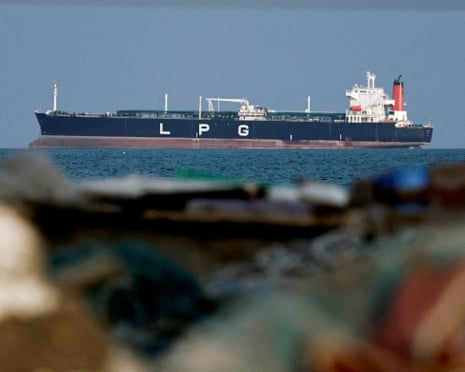
Few doubt that in the initial stages of the new war, the US and Israel held the upper hand. However, Iran's strategic blockade of the Strait of Hormuz, a critical global shipping chokepoint, has shocked the global economy and forced a reevaluation of the balance of power in the region.
Global Implications
The blockade of the Strait of Hormuz, a narrow waterway through which a significant portion of the world's oil supply passes, has sent shockwaves through global markets. The disruption to energy supplies has reverberated across industries, leading to concerns about the long-term stability of the global economy.
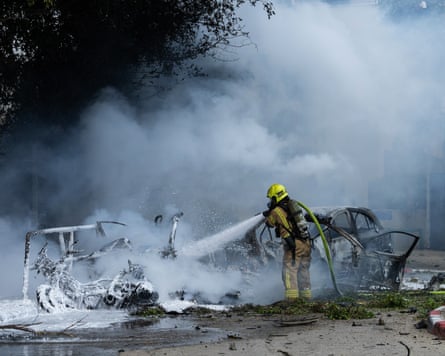
Uncertain Future
As the crisis in the Middle East deepens, the future remains uncertain. The US and Israel may be forced to reevaluate their strategies and approach, while Iran appears to be increasingly emboldened. The outcome of this conflict could have far-reaching implications for the region and the world at large.
Ultimately, the initiative in this conflict may be slipping away from the US and Israel, and the consequences of this shift could be felt for years to come.
Source: The Guardian


