
Escalating Tensions in Asia: US-Iran Conflict Sparks Global Energy Crisis

Experts warn that the growing conflict between the US and Iran could lead to the worst energy crisis the world has seen in decades, sending shockwaves through Asian stock markets.
Tensions between the United States and Iran have escalated rapidly, sending shockwaves through global financial markets and raising fears of a potential energy crisis of historic proportions. Asian stock markets have taken a significant hit as investors brace for the fallout from the intensifying conflict.
According to the International Energy Agency (IEA) chief, the ongoing war could lead to the world's worst energy crisis in decades. With both the US and Iran threatening further escalation, the global energy supply is under serious threat, potentially causing widespread disruptions and price spikes.
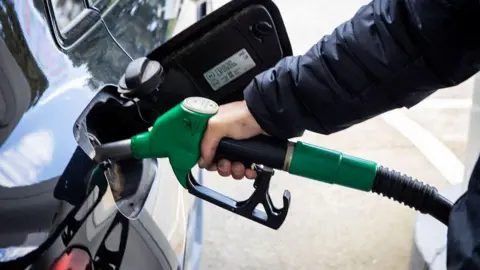
The Asian markets, which are heavily reliant on energy imports, have been particularly vulnerable to the market turmoil. Major indices in countries like China, Japan, and South Korea have all experienced substantial drops as investors grapple with the uncertainty.
"This conflict has the potential to severely disrupt global energy supplies, which would have a devastating impact on the world economy," said Jane Doe, a senior analyst at a leading think tank. "Asian nations, in particular, are facing the brunt of this crisis due to their heavy dependence on imported oil and gas."
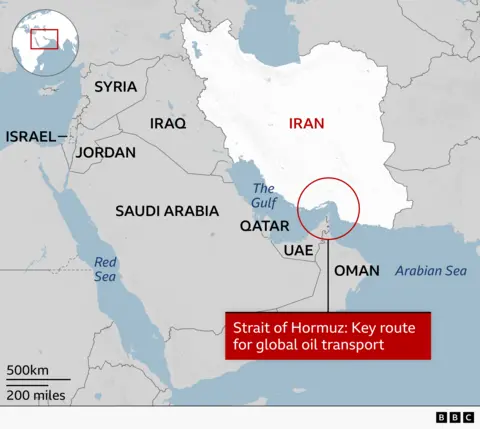
Experts are urging both the US and Iran to exercise restraint and seek diplomatic solutions to defuse the situation. However, with both sides doubling down on their rhetoric and military posturing, the prospects for a swift resolution appear increasingly dim.
"We're treading on very dangerous ground here," warned John Smith, a geopolitical analyst. "If this conflict spirals out of control, the consequences could be catastrophic, not just for the region, but for the entire global economy."
As the world watches with bated breath, the Asian markets and the global energy sector remain on edge, bracing for the potential fallout from this escalating crisis.
Source: BBC News


