
Escalating US-Iran Tensions: Dwindling Options as Conflict Drags On

As the US-Iran conflict continues, both sides face narrowing options to end the war. Iran remains unyielding, while US air power alone cannot achieve its primary objectives. Explore the complex dynamics shaping this geopolitical standoff.
The longer the conflict between the United States and Iran drags on, the fewer options both sides appear to have for bringing the war to a conclusion. Iran has shown no signs of backing down from its defiant stance, while the US' reliance on air power alone is unlikely to achieve its primary goal of forcing Tehran to the negotiating table.
For the US, the initial hopes of a swift victory through overwhelming airstrikes have faded as the conflict has become more protracted. The Iranian regime, under immense economic pressure from sanctions, has demonstrated its willingness to weather the storm and continue its support for proxy forces throughout the region. This resilience has made it increasingly clear that air power alone cannot compel Iran to capitulate.
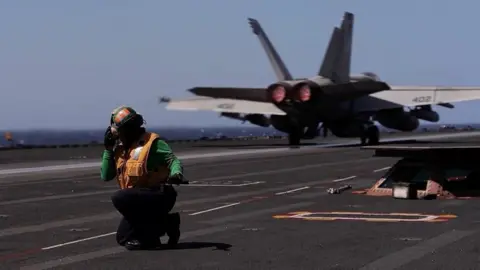
At the same time, the US faces the difficult choice of whether to further escalate its involvement, potentially deploying ground forces or expanding the scope of its air campaign. However, such moves carry significant risks, including the potential for heightened civilian casualties, regional instability, and the possibility of getting bogged down in a prolonged quagmire.
On the Iranian side, the leadership in Tehran appears to be betting that it can outlast the US' resolve and continue to support its regional proxies, such as Hezbollah in Lebanon and the Houthi rebels in Yemen. This strategy, while risky, has already proven effective in prolonging the conflict and complicating the US' efforts to achieve its objectives.
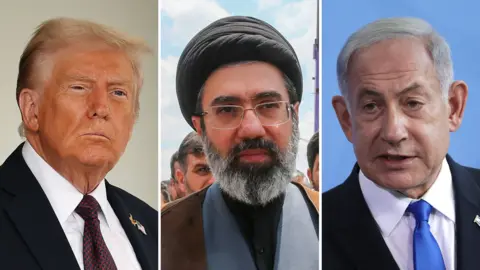
As the war drags on, both the US and Iran face a shrinking set of options. The possibility of a negotiated settlement, long seen as the most viable path to de-escalation, has become increasingly elusive. With neither side willing to back down, the risk of a miscalculation or further escalation remains high, raising the specter of a protracted and potentially devastating conflict.
Ultimately, the longer this conflict continues, the more complex and intractable it becomes, leaving both the US and Iran with fewer and fewer avenues to pursue a resolution that aligns with their respective strategic interests and national security objectives.
Source: BBC News


