
EU Approves €90bn Ukraine Aid After Resolving Hungary Pipeline Row

The European Union green-lights €90 billion in crucial funding for Ukraine following resolution of disagreements over Russian oil pipeline access to Hungary.
The European Union has officially approved a landmark €90 billion loan package designed to provide essential financial support to Ukraine during its ongoing conflict with Russia. This significant decision comes after months of diplomatic negotiations and the resolution of a contentious dispute centered around energy security and Russian oil supplies flowing to Hungary through existing pipeline infrastructure.
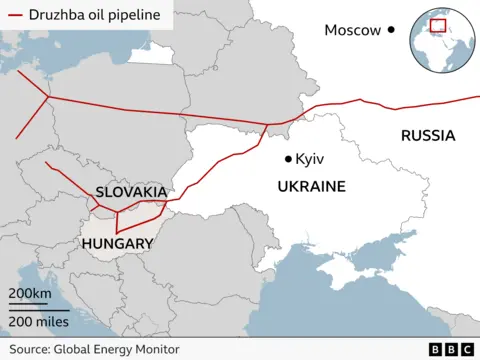
While the funding mechanism was initially agreed upon during discussions last December, the actual disbursement and formal approval process became entangled in complex geopolitical negotiations. The primary obstacle involved Hungary's position regarding continued access to Russian petroleum through traditional pipeline routes, creating a standoff that threatened to delay vital assistance to the war-torn nation.
The breakthrough represents a crucial moment for Ukraine financial support efforts, as the nation faces substantial reconstruction needs and ongoing wartime expenses. The €90 billion constitutes one of the most substantial aid packages the EU has committed to the country, underscoring the bloc's determination to maintain economic support alongside military and humanitarian assistance measures.
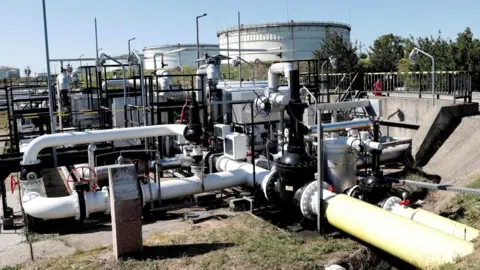
Hungary's initial resistance to the funding approval centered on concerns that EU measures against Russian energy imports could disproportionately affect Budapest's energy security. The Hungarian government, led by Prime Minister Viktor Orbán, had raised objections about restrictions on Russian oil transit through pipelines serving Central European markets, including Hungarian refineries and petrochemical facilities.
The pipeline deadlock represented more than a simple disagreement over energy policy—it reflected deeper tensions within the EU regarding sanctions strategy, energy independence, and the balance between supporting Ukraine and maintaining practical energy relationships with Russia. Hungary's unique position as an EU member state that historically relied on Russian energy supplies created a complicated negotiating position.
Diplomatic efforts to resolve the impasse involved extensive negotiations among EU member states, with various proposals aimed at addressing Hungary's specific concerns while maintaining the EU's unified stance on supporting Ukraine. The eventual resolution demonstrates the capacity of European institutions to find compromise solutions even amid significant political divisions.
The Ukraine economic aid package addresses multiple aspects of the nation's needs, including budget support, reconstruction financing, and resources for maintaining essential public services. The funds represent a critical lifeline for a country whose economy has been severely disrupted by military conflict and whose infrastructure has suffered extensive damage from sustained military operations.
Previous discussions about the funding had highlighted the importance of moving swiftly to provide financial assistance, as delays could impact Ukraine's ability to pay government salaries, maintain healthcare systems, and fund military expenses. The approval removes a significant obstacle to the planned disbursement schedule.
The agreement also reflects broader EU sanctions policy evolution, as member states continue navigating the complex relationship between punitive measures against Russia and maintaining essential energy flows. The resolution of Hungary's concerns suggests that the EU may have found ways to accommodate legitimate energy security interests while upholding sanctions objectives.
European Commission officials have emphasized that the funding approval signals the EU's sustained commitment to Ukrainian independence and economic stability. The €90 billion represents not merely a financial transaction but a political statement about the EU's willingness to support Ukraine throughout the current crisis and beyond.
The timeline for disbursement now proceeds according to previously established schedules, with tranches released according to predetermined conditions and milestones. This structured approach ensures accountability while providing Ukraine with the predictable financing it requires for budget planning and reconstruction initiatives.
Beyond the immediate financial implications, the successful resolution of the EU funding dispute demonstrates that even amid significant geopolitical tensions and internal disagreements, European institutions retain capacity for constructive negotiation. The approval process, though protracted, ultimately reaffirmed member states' commitment to collective decision-making on critical matters.
Looking forward, EU officials anticipate that the approved funds will contribute meaningfully to Ukraine's economic resilience and capacity to maintain essential government functions. The European financial support also signals to international markets and institutions that the EU stands behind Ukrainian economic sovereignty and territorial integrity.
The resolution of the funding approval represents a significant moment in the EU's response to the Ukraine crisis, one that transcends simple financial transfers to encompass broader questions about European unity, energy security, and collective responsibility. As Ukraine continues navigating the immediate challenges of conflict, the €90 billion loan package provides essential resources for addressing urgent humanitarian, economic, and reconstruction needs while the continent works toward longer-term stability.
Source: BBC News


