
EU Challenges Trump-Linked Pipeline Deal

European Union moves to block Balkans pipeline contract linked to US president's lawyer, risking diplomatic tensions with Trump administration.
In a significant diplomatic development, the European Union has taken the unprecedented step of attempting to halt the awarding of a major infrastructure contract in the Balkans region. According to documents obtained by the Guardian, Brussels has intervened to prevent a lucrative pipeline project from being awarded to a company reportedly fronted by Donald Trump's personal lawyer, marking an escalation in transatlantic tensions that extends beyond traditional policy disputes.
The Southern Interconnection pipeline project has become an unexpected flashpoint in EU-US relations under the Trump administration. This intervention represents a departure from previous disagreements between Brussels and Washington, which have primarily centered on trade tariffs, the Ukraine conflict, and NATO military spending commitments. The EU's decision to challenge what amounts to a private commercial venture suggests growing concerns about potential conflicts of interest and the influence of Trump-affiliated figures in major European infrastructure developments.
The pipeline project itself carries significant strategic importance for the European energy landscape. As part of broader efforts to diversify energy supplies and reduce dependence on traditional sources, the infrastructure investment has attracted considerable interest from various private sector players. The involvement of individuals connected to the Trump administration has raised questions about potential geopolitical implications and whether such arrangements could compromise European strategic autonomy in critical infrastructure decisions.
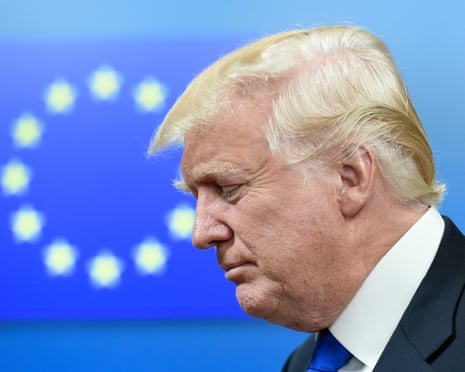
European Commission officials have expressed concerns through formal channels about the contract award process and the qualifications of the bidding entity. The Guardian's exclusive reporting reveals that Brussels communicated these reservations in correspondence aimed at slowing or reconsidering the procurement procedure. Such direct intervention by EU institutions in what would normally be a straightforward commercial transaction underscores the political sensitivity surrounding this particular project and the individuals involved.
The timing of this dispute is particularly noteworthy given the broader context of US-EU relations during Trump's tenure. Previous confrontations have dominated headlines and diplomatic agendas, but those have primarily involved macroeconomic policy, security commitments, and geopolitical strategy. This pipeline dispute adds a new dimension, suggesting that Brussels is willing to confront Trump-connected business interests directly when European strategic interests are perceived to be at stake.
The company in question, which reportedly operates under the direction of Trump's legal advisor, has not publicly commented on the EU's intervention or the allegations surrounding the contract award process. Industry observers have noted that such high-level political involvement in infrastructure procurement decisions is unusual, even in contexts where strategic interests are considered important. The lack of transparency around the bidding process and the qualifications of the primary stakeholders has contributed to skepticism within European policymaking circles.
The Balkans energy infrastructure sector has long been an area of strategic competition between major powers. The European Union has sought to strengthen its presence and influence in the region through investment in interconnected energy networks and diversified supply chains. The interest from Trump-connected entities in participating in this market segment has raised red flags among EU strategists who view energy infrastructure as critical to maintaining European independence and resilience.
Analysts suggest that the EU's decision to publicly challenge the contract award represents a calculated risk. While the intervention demonstrates Brussels' commitment to protecting its strategic interests, it also risks provoking a backlash from the Trump administration, which has a history of responding forcefully to perceived slights or obstacles to American business interests. The balance between asserting European autonomy and avoiding unnecessary escalation appears to have been carefully considered before the EU opted to take this uncommon step.
The procurement procedure transparency has become a central issue in the dispute. Critics have argued that the bidding process lacked the standard competitive safeguards and oversight mechanisms typically required for projects of this magnitude. EU officials have indicated that their concerns extend beyond the identity of the primary stakeholder to encompass broader questions about whether the process met established standards for integrity and fair competition.
This episode illustrates the complex intersection of commercial interests, geopolitical strategy, and personal relationships at the highest levels of international politics. The involvement of Trump's personal lawyer in a major European infrastructure project has raised fundamental questions about conflicts of interest and the appropriate boundaries between private business ventures and national security considerations. The EU's response suggests that member states are increasingly willing to scrutinize such arrangements when they perceive potential threats to their collective interests.
Looking forward, the resolution of this dispute could have broader implications for how EU institutions handle similar situations involving Trump-connected business interests. If the EU succeeds in blocking or significantly delaying the contract award, it may signal a pattern of greater scrutiny and resistance. Conversely, if pressure from the Trump administration forces Brussels to back down, it could encourage further attempts by Trump-affiliated entities to secure contracts in European infrastructure projects.
The stakes for both sides appear high, though neither the EU nor the Trump administration has publicly escalated rhetoric to an alarming degree. Behind-the-scenes diplomatic channels are reportedly being used to negotiate a resolution that might preserve face for both parties while addressing legitimate concerns about the bidding process. The outcome of these negotiations could serve as a precedent for how transatlantic disputes over commercial arrangements in critical sectors will be handled in the coming years.
The broader context of EU-US relations remains challenging on multiple fronts, with trade disputes, security commitments, and military spending continuing to generate friction. This pipeline controversy adds another layer of complexity to an already strained relationship. The EU's willingness to intervene in what is essentially a private commercial matter suggests that Brussels views the integrity and independence of its critical infrastructure as non-negotiable, regardless of diplomatic consequences.
Source: The Guardian


