
EU Chief Calls for Delayed Social Media Access for Children

European Commission President von der Leyen urges EU to implement age restrictions on social media. Expert panel to deliver child protection measures by July.
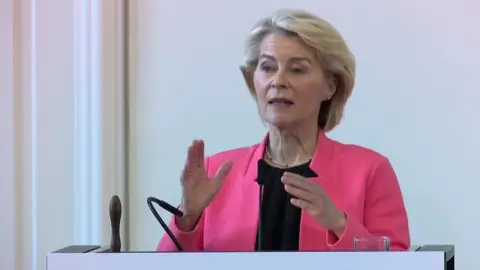
European Union leadership is intensifying efforts to shield children from the potential harms of social media platforms, with Commission President Ursula von der Leyen making a compelling case for implementing delayed access measures. During a high-level EU summit, von der Leyen emphasized the critical importance of establishing protective mechanisms that would restrict minors' ability to access social media platforms, citing growing concerns about digital safety and child welfare across member states.
The push toward stricter social media regulations comes amid mounting evidence of negative impacts on young users, including mental health challenges, cyberbullying, and exposure to inappropriate content. Von der Leyen's intervention at the summit signals a coordinated effort among European leadership to address what many view as a pressing public health and safety issue. The proposal reflects a broader acknowledgment that existing regulatory frameworks have not adequately protected vulnerable young users in an increasingly digital world.
According to von der Leyen's statements at the summit, an expert panel on child protection has been tasked with developing comprehensive recommendations on safeguarding minors online. This specialized group is expected to present detailed proposals and actionable steps by July, providing a clear roadmap for implementing age-appropriate access restrictions across social media platforms. The timeline underscores the urgency with which EU leadership views this challenge and demonstrates a commitment to swift policy development.
The expert panel's work will likely focus on multiple dimensions of child online safety, including technological solutions, regulatory frameworks, and enforcement mechanisms. Von der Leyen indicated that the panel would explore various approaches to age verification, content filtering, and platform accountability measures. These recommendations are expected to form the foundation for new EU-wide legislation that could set stricter standards than those currently enforced across individual member states.
Child protection advocates have long argued that social media platforms have inadequate safeguards for younger users. The proposed EU protection measures could potentially include mandatory age restrictions, requiring children to meet a minimum age threshold before accessing platforms, or implementing robust parental control systems. Additional considerations may involve stricter regulations on data collection from minors and limitations on addictive design features that particularly target young users.
The European Union's proactive stance on this issue reflects a growing global trend toward stricter regulation of social media. Several countries have already implemented or proposed age-based restrictions, recognizing that self-regulatory approaches by technology companies have proven insufficient. Von der Leyen's push for coordinated EU action suggests that Brussels intends to establish comprehensive standards that could influence digital policy worldwide.
Member states have expressed varying degrees of support for stricter regulations, with some nations having already introduced their own protective measures. The EU framework under development aims to create harmonized standards across all member states, eliminating discrepancies and ensuring consistent protection for all European children. This harmonization is viewed as essential for creating effective safeguards while maintaining the integrity of the EU's digital single market.
The expert panel will likely draw upon research from child development specialists, digital safety experts, and mental health professionals to inform their recommendations. Their work may also incorporate input from technology companies, parent advocacy groups, and educational institutions that have frontline experience with young users' digital behaviors. This comprehensive approach aims to balance innovation with protection, ensuring that regulatory measures don't stifle technological development while still prioritizing child welfare.
Implementation of new child safety regulations will present significant challenges for both regulators and technology companies. Platform operators will need to develop new verification systems, adjust their services for younger users, and potentially restructure their business models in regions where new rules apply. The July deadline for the expert panel's recommendations suggests that the EU intends to move relatively quickly toward legislative proposals that could take effect within the next year or two.
Von der Leyen's intervention also reflects broader European concerns about data privacy and digital rights, areas where the EU has already established itself as a global regulatory leader through initiatives like the General Data Protection Regulation (GDPR). The proposed social media access restrictions represent the next evolution of this regulatory approach, extending protections specifically for minors. The EU's track record of comprehensive digital regulation suggests that any new measures will be thorough and likely influential beyond European borders.
Technology companies operating in Europe face mounting pressure to demonstrate their commitment to child safety. Major platforms including Meta, TikTok, YouTube, and others will likely be required to comply with whatever new regulations emerge from the expert panel's recommendations. Some platforms have already begun implementing age-based features and enhanced parental controls, but critics argue these measures remain largely voluntary and insufficient.
The timeline established by von der Leyen suggests an accelerated policy development process compared to typical EU regulatory procedures. By setting a July deadline for expert recommendations, EU leadership is signaling that this issue requires urgent attention and expedited action. The subsequent legislative process will determine the specific mechanisms through which access restrictions will be enforced and monitored across member states.
Stakeholders across the digital ecosystem, from technology companies to parent groups to children's rights organizations, are closely monitoring these developments. The proposed regulations could fundamentally reshape how social media platforms operate in Europe and potentially influence practices globally. Von der Leyen's commitment to evidence-based policymaking suggests that the expert panel's recommendations will draw on rigorous research regarding the impacts of social media on child development, mental health, and overall wellbeing.
Source: BBC News


