
EU Ministers Plan Third-Country Asylum Hub System

European leaders to discuss transferring rejected asylum seekers to third-country processing hubs at Council of Europe meeting in Moldova this Friday.
Senior European officials are set to engage in substantive discussions regarding a comprehensive strategy to manage irregular migration flows across the continent. The Council of Europe will convene a significant ministerial meeting in Moldova this Friday to explore mechanisms for addressing asylum applications through alternative processing systems. This development represents a pivotal moment in European immigration policy, as nations grapple with managing border security while navigating complex international legal frameworks governing refugee protection.
Alain Berset, serving as the secretary general of the Council of Europe, confirmed to media outlets that discussions surrounding the relocation of individuals who entered European territories through unauthorized channels will occur at a multilateral platform. These conversations are expected to address the operational and legal dimensions of establishing third-country asylum hubs where applicants could have their cases evaluated outside European territory. The proposed system aims to create systematic processing centers that would handle initial assessment stages before any potential return or resettlement decisions are made.
The timing of this discussion coincides with escalating migration pressures across Europe, where member states have expressed growing concerns about managing arrivals while maintaining humanitarian standards. Countries throughout the European Union and broader European region have increasingly sought collaborative approaches to immigration management that align with both security imperatives and international legal obligations. The Moldova venue selection carries symbolic significance, positioning the discussion within the European context while addressing challenges that affect Eastern European nations directly.

The concept of external processing hubs has emerged as a contentious policy proposal within European political circles, with supporters arguing such systems could deter irregular migration while opponents raise substantial human rights concerns. These facilities would ostensibly allow for orderly assessment of asylum claims without requiring applicants to physically reach European soil before formal review procedures commence. Proponents suggest this approach could reduce dangerous journeys undertaken by vulnerable populations, while also easing pressures on national asylum systems experiencing unprecedented backlogs.
The Council of Europe, distinct from the European Union, functions as a human rights organization encompassing 46 member states and serving as guardian of continental human rights standards. Its involvement in these discussions signals that border control rights and asylum management policies are being evaluated not merely as administrative concerns but as matters intersecting with fundamental human rights protections. The organization's position on whether such hubs align with existing human rights conventions could significantly influence member state adoption of proposed frameworks.
Various European nations have previously experimented with external processing models, though implementation has frequently encountered legal challenges and operational complications. Countries have faced difficulties establishing facilities in third countries that meet international standards while maintaining acceptable cost structures and achieving diplomatic cooperation from host nations. The Friday discussion will presumably examine lessons learned from these previous attempts and explore how current proposals might address identified shortcomings.

The proposed system would theoretically apply to thousands of individuals whose asylum applications are ultimately rejected or whose claims fall outside recognized protection categories. By processing these cases in external facilities, European nations argue they could reduce the number of people requiring accommodation within their territories while applicants await final determinations. This logistics-focused approach reflects broader European policy trends emphasizing efficient management of migration flows alongside fiscal considerations related to reception and processing costs.
Human rights organizations have already articulated concerns regarding the potential implications of external processing systems, particularly regarding access to legal representation and protection from refoulement—the practice of returning individuals to countries where they face persecution. These advocates contend that moving asylum determination processes beyond European territory could complicate oversight mechanisms and reduce accountability standards. The Council of Europe's assessment will therefore carry significant weight in determining whether such proposals gain broader European legitimacy.
Alain Berset's characterization of these discussions as occurring at a multilateral level indicates that multiple European nations are engaged in collaborative policy development rather than unilateral action by individual states. This approach suggests recognition that asylum and migration management requires coordinated European responses acknowledging shared interests and mutual obligations. The Moldova setting provides a venue representing both established European democracies and newer member states, reflecting the continent's geographic and political diversity.
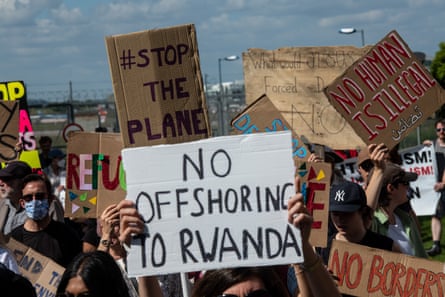
The Friday meeting will reportedly include preliminary discussions establishing parameters for how third-country hubs would operate, which nations might host such facilities, and what international agreements would be necessary to implement such systems. Participants are expected to address practical considerations including infrastructure requirements, staffing needs, and cost-sharing arrangements among participating nations. Additionally, discussions will likely encompass diplomatic negotiations required to secure cooperation from potential host countries in North Africa, the Middle East, or other regions.
The broader context for these discussions includes recognition that traditional European asylum systems face capacity constraints and procedural delays affecting both applicants and administrative authorities. Some national governments contend that current systems inadvertently incentivize irregular migration by creating perceptions of eventual protection regardless of application merits. Proponents of external hubs argue that establishing clear processing systems outside European territory could communicate more definitive messaging about asylum opportunities and risks.
Implementation of any agreed framework would require substantial diplomatic coordination and likely necessitate amendments or new interpretations of existing international instruments governing refugee protection. The Council of Europe's involvement suggests that any finalized approach will be scrutinized against established human rights standards and continental legal traditions. This Friday's discussions therefore represent not merely administrative planning but fundamental deliberation about how contemporary Europe balances migration control imperatives with enduring commitments to human rights protection.
The outcome of Friday's meeting will likely establish foundational principles and operational frameworks that individual European nations may subsequently adopt or adapt within their domestic policy contexts. While formal commitments may not emerge immediately, the discussions will signal European consensus regarding migration management approaches and establish parameters for continued policy development. These emerging frameworks will influence how Europe addresses migration challenges throughout coming years while maintaining continental credibility regarding human rights commitments that distinguish European governance models globally.
Source: The Guardian


