
European leaders develop mutual defense strategy amid tensions with the Trump administration over NATO commitments and potential member suspensions.
European Union leadership is taking decisive action to strengthen continental security frameworks as diplomatic tensions with the United States administration intensify over NATO obligations and alliance commitments. During high-level discussions in Brussels, EU officials have committed to developing a comprehensive blueprint detailing how the bloc would mobilize its collective defense mechanisms in response to potential military threats or foreign aggression. This strategic initiative represents a significant shift in how European nations are approaching their security posture amid concerns about the reliability of traditional transatlantic partnerships.
The European Commission has been tasked with preparing detailed protocols on implementing Article 42.7 of the EU treaty, a provision that remains relatively obscure to the general public but carries substantial geopolitical weight. According to Nikos Christodoulides, the president of Cyprus who is currently hosting these critical negotiations, EU member states have unanimously agreed to explore their collective defense capabilities. This mutual assistance clause represents a foundational pillar of European security architecture, though it has rarely been invoked or thoroughly examined for practical implementation in modern security scenarios.
The timing of these discussions is particularly significant, occurring in the aftermath of reports suggesting the Trump administration has been investigating mechanisms for suspending certain NATO allies from the alliance. Specifically, NATO alliance tensions have escalated following indications that the United States might explore disciplinary measures against Spain and potentially other member nations. These developments have prompted European leaders to reassess their strategic independence and develop contingency plans that do not rely primarily on American military guarantees or security commitments.
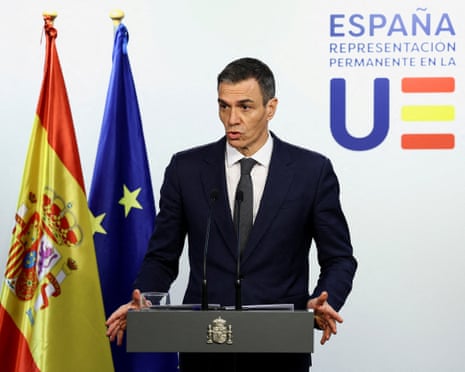
The mutual defense clause that EU officials are now examining in detail originated from the Lisbon Treaty and represents an evolution of European integration in security matters. Article 42.7 stipulates that if an EU member state becomes the victim of armed aggression on its territory, other member states shall have an obligation to aid and assist by all means in their power. This provision has become increasingly relevant as European policymakers confront the reality that traditional security guarantees may no longer be automatically forthcoming from Washington, fundamentally altering the strategic calculations that have underpinned European security planning for decades.
The broader context of these developments reveals a fundamental reassessment of transatlantic relations under Trump administration policies. The president's well-documented skepticism toward NATO's relevance, combined with demands that member states increase defense spending substantially, has created palpable uncertainty among European allies about the durability of security commitments. European officials interpret recent statements and policy positions as indicating a potential shift away from the post-Cold War consensus that positioned the United States as the guarantor of European security and stability.
Spain's position has become particularly precarious in this evolving landscape, with the country facing potential consequences related to defense spending levels and NATO burden-sharing arrangements. The Spanish government has faced criticism from the Trump administration regarding what it characterizes as insufficient contributions to collective defense efforts. This tension between Washington and Madrid exemplifies the broader friction emerging between an American administration prioritizing cost-benefit analyses of alliance relationships and European nations committed to maintaining institutional coherence and solidarity within NATO structures.
The blueprint being developed will likely include detailed procedures for military coordination, logistical support mechanisms, and decision-making protocols that would activate during crisis scenarios. EU officials are examining how to create effective command structures that could operate independently of NATO infrastructure if necessary, essentially building institutional redundancy into European defense systems. This reflects a pragmatic acknowledgment that over-reliance on any single ally or security framework creates vulnerabilities that European nations can no longer afford.
The evolution of European strategic thinking represents a historic inflection point in continental affairs. For over seven decades, European security policy has operated within a framework designed around American military preponderance and commitment. The current situation is prompting senior European officials to contemplate scenarios that were previously considered unlikely or impossible—namely, that Europe might need to defend itself primarily through its own resources and capabilities. This philosophical shift carries profound implications for future military spending, technological development, and institutional arrangements within the European Union.
Member states participating in these discussions recognize that developing credible autonomous defense capabilities requires substantial investment, coordinated procurement policies, and enhanced military integration. Countries including France, Germany, and Poland have emerged as key voices advocating for accelerated development of European defense infrastructure independent of American systems and strategic direction. The consensus emerging from Brussels discussions suggests growing acceptance that European nations must invest considerably more in defense capabilities while simultaneously strengthening coordination mechanisms and joint procurement arrangements.
The diplomatic backdrop informing these decisions includes multiple friction points between the Trump administration and traditional European allies. Beyond the specific case of Spain, broader tensions have emerged regarding trade policies, climate commitments, and international institutional participation. These accumulated grievances have convinced European leaders that the era of assuming automatic American support for European interests has concluded, necessitating more assertive European agency in shaping continental security outcomes.
Cyprus's role in hosting these negotiations carries symbolic importance, given the island's complex security situation and historical experience of international disputes affecting national sovereignty. Christodoulides and other EU leaders gathered in Brussels have emphasized that strengthening European defense cooperation reflects not hostility toward NATO or the United States, but rather pragmatic recognition that European nations must develop greater capability for autonomous action. This framing attempts to balance the maintenance of transatlantic relationships while simultaneously building institutional capacity that doesn't depend on Washington's strategic priorities or political commitments.
The emerging European defense blueprint will likely be examined and refined over subsequent months as EU institutions work through technical and political details. The initiative signals that Brussels policymakers have reached conclusions about the necessity of enhanced European strategic autonomy that transcend temporary political fluctuations or the tenure of particular American administrations. Whether these discussions ultimately translate into meaningful military capabilities and coordinated action will depend on sustained political commitment and the willingness of member states to subordinate narrow national interests to collective European security objectives.
As these developments unfold, the fundamental character of transatlantic relations and European strategic orientation appears to be undergoing transformation. The discussions occurring in Brussels represent not merely technical military planning but rather a recalibration of European expectations regarding external security guarantees and internal capacity for autonomous action. European leaders are collectively signaling that their continent must prepare for a future in which European security is primarily a European responsibility, while maintaining whatever transatlantic cooperation remains mutually beneficial and sustainable.
Source: The Guardian



