
EU Strengthens Armenia Ties Amid Russian Threat

European Union sends propaganda experts to Armenia and holds historic first summit as it counters Russian influence in the strategic South Caucasus region.
The European Union is significantly deepening its engagement with Armenia through a comprehensive strategy designed to address mounting concerns about Russian interference and propaganda in the strategically important South Caucasus region. This coordinated diplomatic initiative marks a watershed moment in EU-Armenia relations, signaling Brussels' commitment to strengthening ties with the former Soviet state during an increasingly volatile geopolitical period.
In a demonstration of its expanded commitment, the EU is dispatching a specialized team of experts who possess deep knowledge and proven experience in combating Russian propaganda and interference operations. These professionals will work directly with Armenian institutions to build capacity and develop robust defense mechanisms against disinformation campaigns that have become increasingly sophisticated and pervasive across Eastern Europe and the South Caucasus. The deployment of these experts represents a tangible investment in Armenia's democratic resilience and information security infrastructure.
The initiative unfolds against the backdrop of heightened regional tensions and evolving geopolitical alignments that have challenged Armenia's strategic autonomy. As Russia continues to exert influence through various channels—including state-controlled media, disinformation networks, and political pressure—the Armenian government has increasingly turned toward European institutions for support and partnership. This shift reflects a broader recalibration of Armenia's foreign policy orientation following recent conflicts and political developments in the region.
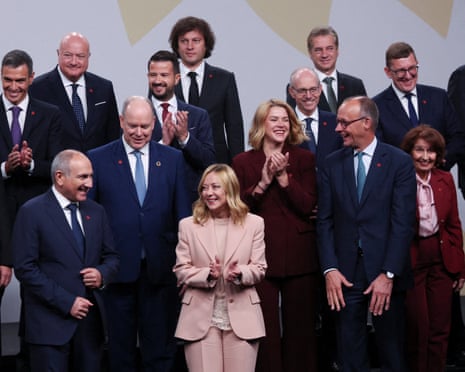
Tuesday's proceedings will witness an unprecedented gathering of extraordinary historical and diplomatic significance. EU leadership will convene for their first-ever formal summit specifically dedicated to EU-Armenia relations, following a broader European Political Community summit that will bring together approximately 45 national leaders in Yerevan. This dual-track diplomatic engagement underscores the EU's recognition of Armenia's importance to European security architecture and its commitment to countering Kremlin influence in the region.
The European Political Community summit itself serves as a broader platform for discussing continental security challenges, democratic governance, and strategies for counteracting external interference. By hosting this significant gathering in Yerevan, EU leaders are sending a powerful symbolic message about Armenia's place within the European security framework and the bloc's determination to engage Eastern European and South Caucasus nations in addressing shared challenges. The venue selection itself represents an act of political solidarity with Armenia during a delicate period.
Armenia's geopolitical situation has become increasingly complex following recent military conflicts and the evolving regional balance of power. The country has historically maintained security ties with Russia through membership in the Collective Security Treaty Organization (CSTO), yet these relationships have faced strain as a result of diverging interests and unfulfilled security guarantees. Concurrently, Armenia has grown more receptive to deepening partnerships with Western institutions, recognizing that diversified international relationships can enhance national security and provide additional protective mechanisms against regional threats.
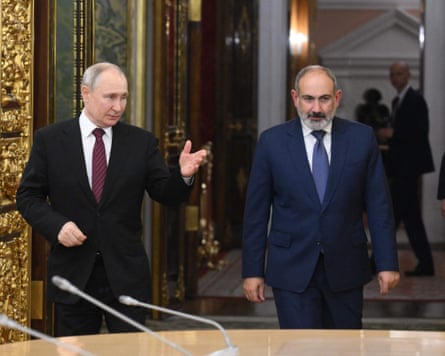
The propaganda and disinformation challenge facing Armenia reflects broader European concerns about coordinated information warfare emanating from the Kremlin. Russian state media outlets and coordinated online networks have sought to manipulate Armenian public opinion, sow discord within civil society, and undermine support for Western-oriented policies. These operations often exploit legitimate grievances and historical narratives to advance Moscow's strategic objectives in the region. By deploying specialized expertise, the EU aims to help Armenia develop countermeasures and build institutional safeguards against such operations.
The experts being sent to Armenia will likely focus on several critical areas of Russian interference prevention. These include training journalists and media professionals to identify and expose disinformation, strengthening fact-checking capabilities and independent media institutions, enhancing cyber security protocols for government and critical infrastructure, and developing public awareness campaigns to build societal resilience against propaganda narratives. Additionally, they will work with Armenian authorities on monitoring and documenting interference attempts, establishing early warning systems, and coordinating responses with international partners.
Armenia's receptiveness to this EU assistance reflects a significant evolution in its diplomatic orientation. For decades, Armenia relied heavily on Russia for security guarantees and military support, a relationship anchored in shared historical experiences and geographic proximity. However, the inadequacy of Russian security commitments during recent regional crises has prompted Armenian policymakers to explore alternative partnerships and diversify their international relationships. The EU's proactive engagement, coupled with offers of technical assistance and institutional support, provides Armenia with attractive new options for strengthening its democratic institutions and countering external threats.
The timing of this diplomatic escalation is significant within the broader context of EU Eastern Europe strategy. As the European Union increasingly focuses on strengthening relationships with nations on Russia's periphery, Armenia represents a crucial partner in maintaining stability throughout the South Caucasus region. The EU's enhanced engagement reflects recognition that countering Russian influence requires sustained commitment, substantial resource allocation, and coordinated multilateral action involving both European institutions and individual member states.
Beyond propaganda and interference concerns, the EU-Armenia partnership encompasses broader areas of mutual interest and cooperation. These include economic development, democratic governance, civil society strengthening, and regional stability initiatives. The EU has demonstrated willingness to provide technical assistance, financial support, and diplomatic backing for Armenian reform efforts, recognizing that strengthened democratic institutions and rule of law ultimately create more resilient societies capable of resisting external manipulation and interference.
The first formal EU-Armenia summit will provide an opportunity for detailed discussions about implementation mechanisms, resource allocation, and strategic priorities for the emerging partnership. EU leaders will likely outline specific commitments regarding technical assistance, educational programs, infrastructure development, and security cooperation. Simultaneously, Armenian officials will articulate their country's needs, priorities, and expectations regarding European support, ensuring that partnership initiatives address genuine challenges while respecting Armenian sovereignty and democratic preferences.
Regional dynamics will inevitably feature prominently in summit discussions. The South Caucasus remains characterized by unresolved conflicts, territorial disputes, and competing strategic interests among Russia, Turkey, Iran, and Western powers. Armenia's geographic position and historical experiences within this complex regional context necessitate careful diplomatic navigation and strategic positioning. EU engagement offers Armenia pathways toward greater stability, economic opportunity, and security assurances that can complement rather than replace other international relationships.
The deployment of EU expertise on Russian interference also carries implications for broader European security strategies. By supporting Armenia in developing defenses against propaganda and disinformation, the EU gains valuable insights and operational experience applicable to similar challenges across the continent. Furthermore, Armenia's success in mitigating Russian interference could serve as a model for other European nations facing comparable threats, potentially contributing to European-wide best practices and coordinated response mechanisms.
Looking forward, the EU-Armenia relationship appears poised for expanded cooperation across multiple dimensions. The historical nature of Tuesday's summit—the first dedicated EU-Armenia leadership gathering—signals that Brussels views Armenia as an increasingly important partner in European security architecture. This recognition reflects both Armenia's strategic significance and the EU's broader commitment to engaging proactively with nations transitioning toward greater Western orientation, providing them with alternative partnerships and institutional support as they navigate complex regional environments and resist external pressure from authoritarian powers.
Source: The Guardian


