
Europe's First Elephant Sanctuary Opens Its Doors

Julie and Kariba become the first residents of Europe's largest elephant sanctuary in Portugal, offering hope to 600 captive elephants across the continent.
Europe is witnessing a transformative moment in animal welfare as captive elephants are given a second chance at life in the continent's first large-scale elephant sanctuary. The groundbreaking facility, nestled in Portugal's Alentejo region, represents a significant milestone in efforts to provide natural habitats for elephants that have spent years in circus rings and zoo enclosures. Two remarkable individuals—Julie, Portugal's final circus elephant, and Kariba, a former resident of a Belgian zoo—are set to become the inaugural residents of this innovative refuge.
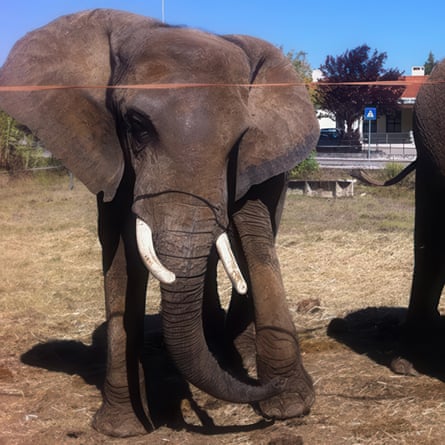
Julie's journey from the circus ring to freedom symbolizes a broader shift in European attitudes toward animal captivity and welfare. For years, this distinguished pachyderm performed tricks and carried spectators under the big top, her natural behaviors suppressed in service of entertainment. Now, at an age when many elephants are experiencing decline from years of confinement, Julie will have the opportunity to engage in the complex social and physical activities that define elephant existence in the wild. Her upcoming relocation, scheduled for next month, marks a pivotal turning point not only for her individually but for the entire movement toward elephant conservation across Europe.
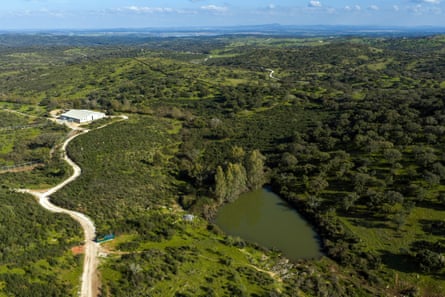
The Pangea sanctuary, operated by the esteemed animal charity Pangea Trust, sits on a sprawling former ranch located approximately 200 kilometers east of Lisbon in the Alentejo region, positioning it close to the Spanish border. This multimillion-pound facility has been meticulously designed to replicate the environmental conditions that elephants would experience in their natural habitats. The sanctuary encompasses vast expanses of land where elephants can roam freely, engage in natural foraging behaviors, and develop authentic social bonds with other members of their herd. The investment in this facility underscores a commitment to moving beyond traditional zoo and circus models toward more ethically grounded approaches to elephant care.
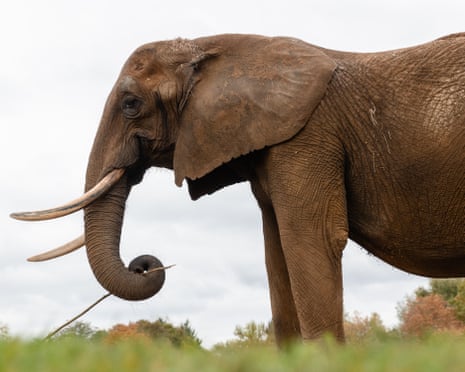
The establishment of Europe's first sanctuary comes at a critical juncture, as the continent grapples with the reality that approximately 600 elephants remain in captivity across various institutions. These animals represent generations born into confinement, their psychological and physical development constrained by limited space and controlled environments. Many exhibit stereotypic behaviors—repetitive patterns of movement that indicate psychological distress—a hallmark of long-term captivity. The existence of the Pangea sanctuary offers these animals a chance to experience genuine behavioral expression, natural social hierarchies, and the kind of environmental enrichment that zoos, despite their best efforts, can rarely provide at scale.
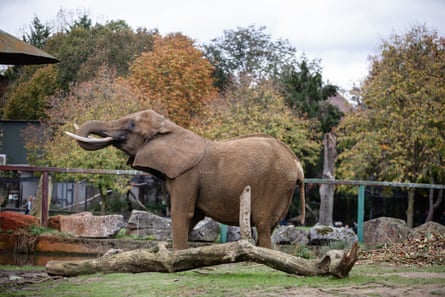
Kariba's story adds another dimension to this narrative of animal liberation. Having spent formative years in a Belgian zoo, where she was displayed to audiences but ultimately confined to artificial enclosures, Kariba now stands on the threshold of an entirely different existence. The transition from zoo life to sanctuary life represents more than a change of location; it symbolizes a fundamental shift in how humans interact with these intelligent, emotionally complex creatures. Sanctuary environments are designed specifically to minimize human interference while maximizing natural behaviors, creating spaces where elephants can establish their own social structures and live according to their intrinsic instincts.
The elephant welfare movement in Europe has gained considerable momentum in recent years, driven by increasing awareness of the psychological and physical impacts of captivity on these magnificent animals. Scientific research has consistently demonstrated that elephants possess remarkable cognitive abilities, including problem-solving skills, emotional intelligence, and complex social bonding capabilities. When confined to circus rings or limited zoo enclosures, these natural abilities atrophy, and the animals often suffer from anxiety, depression, and health complications associated with inadequate space and movement. The sanctuary model represents an evidence-based response to these concerns, grounded in decades of behavioral and conservation research.
Pangea Trust's commitment to establishing this sanctuary reflects a broader European movement toward stricter animal captivity regulations and ethical standards. Several European nations have already implemented bans or severe restrictions on circus animals, recognizing the fundamental incompatibility between circus life and animal welfare. The sanctuary initiative builds on this legislative progress by providing a practical alternative—a place where animals seized from inadequate conditions or voluntarily released by circuses and zoos can experience rehabilitation and improved quality of life. The facility anticipates receiving additional residents in the coming years as more institutions recognize the ethical imperative of releasing captive elephants to sanctuaries.
The care protocols at the Pangea sanctuary represent the gold standard in elephant sanctuary management. Dedicated teams of trained caretakers, veterinarians, and behavioral specialists will work continuously to monitor each elephant's health and psychological adjustment. The sanctuary employs large-scale enrichment programs designed to stimulate natural behaviors—mud bathing, water play, foraging activities, and social interaction. These seemingly simple activities are profoundly important for elephant wellbeing, addressing the psychological deprivation that characterizes captive environments. The facility's design incorporates diverse topography, vegetation, and water sources, creating an environment that encourages the natural movement patterns and exploratory behaviors that captive elephants rarely have the opportunity to express.
Beyond the immediate benefits to Julie, Kariba, and future residents, the establishment of Europe's first elephant sanctuary carries significant symbolic weight. It represents a statement that European society is willing to invest substantially in correcting historical wrongs committed against animals in the name of entertainment and commerce. The sanctuary model demonstrates that alternatives to captivity are not merely theoretical possibilities but practical, implementable solutions. As other European facilities observe the success of the Pangea sanctuary, momentum will likely build for additional sanctuary establishments, creating a network of refuges where Europe's captive elephants can experience genuine rehabilitation and improved lives.
The journey of Julie from the circus to the Alentejo sanctuary encapsulates the broader story of changing human relationships with animals. For years, she performed for audiences who likely gave little thought to the constraints of her existence. Now, in her later years, she will finally experience the freedom to be truly herself—to walk vast distances, make her own choices, and interact with other elephants in authentic ways. This transformation, while it cannot erase the years of captivity, represents a meaningful commitment to honoring the inherent dignity and needs of these remarkable creatures. As Julie and Kariba settle into their new home, they become ambassadors for a more compassionate European approach to animal welfare, one that recognizes that some relationships with animals—like those in circuses or inadequate zoos—are fundamentally incompatible with ethics and wellbeing.
Source: The Guardian


