
Europe's Nuclear Dilemma: Balancing Energy Needs and Safety Concerns

Explore how Europe is grappling with the decision to revive nuclear power as a solution to the latest energy crisis driven by the war in Ukraine.
As the war in Ukraine continues to disrupt global energy supplies, Europe once again finds itself facing a critical decision: whether to revive its nuclear power capabilities as a means of achieving greater energy independence. This long-standing debate has resurfaced with renewed urgency, as skyrocketing gas and fuel prices put immense strain on households and businesses across the continent.
The prospect of resurrecting nuclear energy has sparked a lively and often polarized discussion, with proponents arguing that it offers a reliable, carbon-free solution to the region's energy woes, while critics raise concerns about the inherent risks and the unresolved issue of nuclear waste disposal.
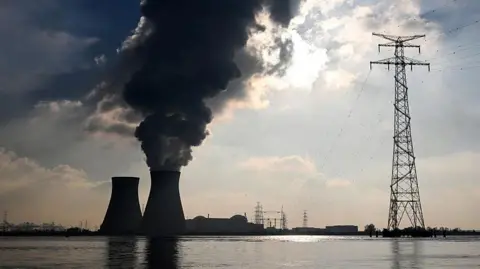
Proponents of nuclear power contend that it could be a vital component in Europe's quest for energy security and sustainability. They point to the technology's capacity to generate large amounts of baseload electricity without contributing to greenhouse gas emissions, making it a potentially crucial ally in the fight against climate change.
Moreover, the advocates argue that nuclear power could help reduce Europe's reliance on imported natural gas, a dependency that has left the continent vulnerable to supply disruptions and price volatility, as evidenced by the current crisis.
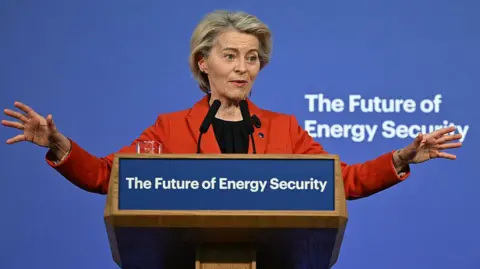
However, the opponents of nuclear power remain steadfast in their concerns, highlighting the potential for catastrophic accidents, the unsolved problem of radioactive waste management, and the high costs associated with building and maintaining nuclear facilities. These concerns have been amplified by the Fukushima disaster in Japan and the Chernobyl accident in the former Soviet Union, which have left deep scars on the public consciousness.
As European leaders grapple with this complex issue, they must weigh the potential benefits of nuclear power against the substantial risks and public resistance. The decision will undoubtedly have far-reaching consequences for the continent's energy future and its efforts to achieve a sustainable, low-carbon economy.
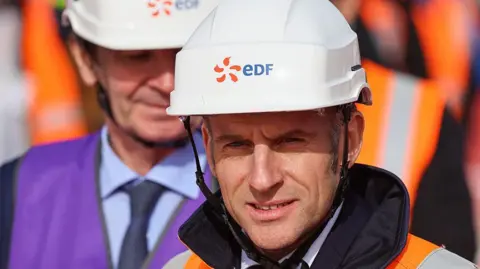
Ultimately, the revival of nuclear power in Europe will depend on a careful, evidence-based assessment of the tradeoffs, as well as a concerted effort to address the public's safety concerns and build trust in the technology. The stakes are high, and the outcome of this debate will shape the continent's energy landscape for decades to come.
Source: BBC News


