
European Leaders Gather in Armenia Amid Russian Tensions

European summit in Armenia signals strategic shift in Caucasus region as Russia observes diplomatic developments closely.
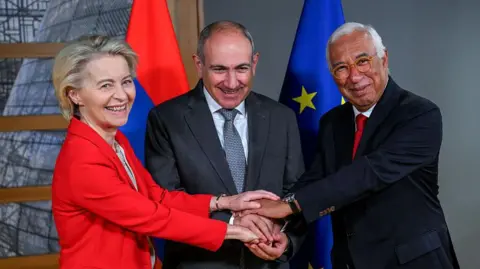
In a significant display of diplomatic engagement, European leaders are converging on Armenia for two major summits, marking a pivotal moment in regional geopolitics. This high-profile gathering comes at a time when Armenia's relationship with its traditional Russian ally appears to be shifting, creating considerable intrigue within international political circles. The dual summit format underscores the growing importance of European Union involvement in Caucasus region affairs and reflects the complex dynamics at play in this historically volatile part of the world.
Armenia has long been positioned as Russia's most steadfast ally in the South Caucasus, a relationship forged through decades of military cooperation, security agreements, and shared interests. The presence of multiple European summits in Yerevan represents a notable departure from the region's traditional geopolitical patterns, where Russian influence has historically dominated decision-making and strategic planning. This convergence of European leadership suggests a fundamental realignment in how regional powers are engaging with Armenia, potentially reshaping the balance of influence in the broader Caucasus region.
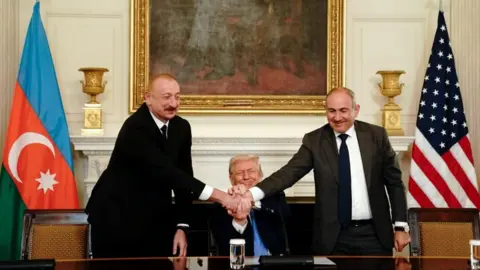
The timing of these summits is particularly noteworthy given the recent historical tensions in the region. Armenia has faced significant challenges following conflicts with Azerbaijan, and the country has increasingly sought to diversify its international partnerships and reduce its dependence on a single power center. European leaders recognize the strategic importance of strengthening ties with Armenia as part of a broader effort to expand European influence in the eastern neighborhood and create additional counterbalances to established power structures in the region.
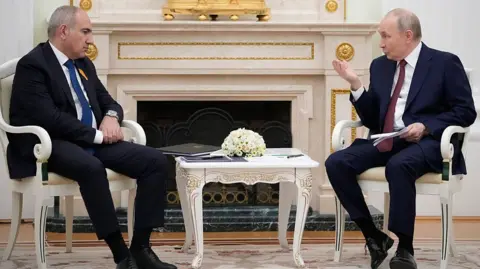
Moscow's observation of these developments cannot be overlooked, as Russia-Armenia relations have traditionally been among the most important bilateral relationships in Russian foreign policy. The Kremlin has maintained a significant military presence in Armenia through its military base in Gyumri, and the two nations share deep historical and cultural ties. However, recent geopolitical shifts, particularly following Russia's military commitments elsewhere and Armenia's frustrations with Russian support during regional conflicts, have created openings for other international actors to increase their engagement with Yerevan.
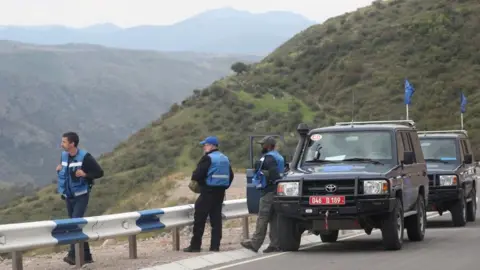
The EU strategy in the Caucasus reflects a broader effort to stabilize the region and promote conflict resolution through diplomatic channels. The European Union has increasingly taken on a more active role in facilitating dialogue between conflicting parties and promoting international law and respect for borders. By hosting these summits, Armenia demonstrates its willingness to engage more actively with European institutions and potentially move toward greater integration with Western structures, a development that carries significant implications for the broader geopolitical landscape.
Armenia's position as a bridge between Europe and Russia has become even more pronounced in recent years. The country faces unique challenges as it attempts to balance its security needs with a desire for greater economic integration with Western Europe and participation in international institutions. The dual summits represent an opportunity for Yerevan to showcase its strategic value to European partners while potentially negotiating improved terms for future cooperation and support.
The European Union's engagement with Armenia is part of a comprehensive strategy to strengthen partnerships across the eastern partnership countries. EU leaders are keen to demonstrate the Union's commitment to stability and prosperity in regions where European interests intersect with broader global security concerns. Through these summits, Europe aims to present itself as a reliable and constructive partner capable of addressing regional challenges through dialogue, economic cooperation, and institutional frameworks.
Russia's position as an observer in these developments reflects the changing dynamics of power competition in the region. While Moscow maintains significant leverage through its military presence and historical relationships, the Kremlin faces constraints in its ability to monopolize Armenia's foreign policy attention. The Russian government must contend with an Armenian leadership that increasingly seeks to strengthen ties with multiple partners and reduce vulnerability to pressure from any single power, a pragmatic approach given the country's geographic position and historical experiences.
The regional security landscape has been fundamentally altered by recent conflicts and international developments. Armenia's leadership recognizes that successful long-term security and prosperity require engagement with multiple international actors, including European powers that can offer economic assistance, diplomatic support, and institutional pathways. The summits signal Armenia's intention to remain a constructive participant in international affairs while pursuing its national interests through diversified partnerships.
European leaders attending these summits bring diverse perspectives and interests to their engagement with Armenia. The European Council representatives focus on broader integration and partnership frameworks, while the European Parliament may emphasize democratic governance and human rights standards. Together, these delegations present a comprehensive European approach to engagement with Yerevan that encompasses security, economic, and governance dimensions.
The significance of this diplomatic gathering extends beyond bilateral Armenia-Europe relations. These summits represent a broader statement about the international community's interest in the Caucasus region and its commitment to supporting stability and conflict prevention. As global attention remains focused on various international crises, Europe's presence in Armenia demonstrates that regional security challenges in the South Caucasus remain on the international agenda and deserve sustained attention.
Looking forward, the outcomes of these summits may establish new frameworks for cooperation between Armenia and various European institutions and member states. Potential areas of engagement could include trade agreements, educational exchanges, infrastructure development, and security cooperation within appropriate frameworks. The meetings also provide an opportunity for frank discussions about regional stability, minority rights, and pathways toward lasting peace in areas affected by recent conflicts.
The presence of multiple European delegations underscores the geopolitical importance of Armenia and the broader Caucasus region. As international competition for influence intensifies globally, regional players like Armenia face unprecedented opportunities to leverage their strategic positions and secure beneficial partnerships. These summits reflect Armenia's success in making itself relevant to multiple powerful actors, a development that could ultimately strengthen the country's long-term security and prosperity prospects.
In conclusion, the convergence of European leaders on Armenia marks a notable shift in regional geopolitical alignments while Russia observes from the sidelines. This gathering demonstrates that the South Caucasus remains an area of significant international interest and that Armenia is successfully positioning itself as a partner worthy of European engagement. The outcomes of these summits will likely shape the trajectory of Armenia's foreign policy for years to come, influencing its relationships with Russia, Europe, and other international players.
Source: BBC News


