
Eurovision 2024: 35 Songs Ranked & Reviewed

Explore all 35 Eurovision songs from dancefloor hits to ballads. Our comprehensive guide breaks down highlights, controversies, and standout performances.
Eurovision has returned with another spectacular lineup of international musical talent, bringing together 35 diverse songs that span multiple genres, languages, and cultural perspectives. This year's competition showcases an unprecedented range of artistic expression, from infectious dancefloor anthems that make audiences jump to their feet to deeply personal ballads that tug at heartstrings. Each entry tells its own unique story, reflecting the musical identity and cultural values of its respective nation. With such variety on display, there's something for every listener to discover and enjoy.
The competition features several standout dancefloor bangers that immediately capture attention with their infectious energy and production quality. These high-octane tracks incorporate modern production techniques, catchy melodies, and choreography designed to leave lasting impressions on viewers worldwide. Artists have invested considerable effort into creating performances that translate well across television screens while maintaining the raw energy of their compositions. The upbeat selections represent a deliberate strategy by their respective countries to appeal to younger demographics and dance music enthusiasts.
One particularly noteworthy trend emerging from this year's submissions involves anti-work anthem messaging, with several artists using their platform to critique modern labor practices and economic systems. These songs reflect growing societal conversations about work-life balance, corporate exploitation, and the search for personal fulfillment beyond traditional employment structures. The inclusion of such socially conscious material demonstrates how Eurovision has evolved beyond simple entertainment to become a vehicle for political and social commentary. These tracks resonate particularly strongly with younger audiences who face unique economic pressures in today's world.
Cultural icon Boy George features prominently in discussions surrounding this year's competition, either through direct involvement or cultural references woven throughout various entries. The legendary artist's influence on pop music, fashion, and LGBTQ+ representation remains evident in contemporary Eurovision selections. His pioneering career has inspired countless performers who now stand on the Eurovision stage, carrying forward traditions of artistic boldness and genre-blending experimentation. The presence of such influential figures—whether literal or metaphorical—enriches the competition's cultural significance.

The controversial lyrics present in several entries have sparked heated debate among Eurovision traditionalists and progressive observers alike. Some nations submitted songs containing politically charged language, provocative themes, or messages that challenge conservative sensibilities. These selections have faced scrutiny from various quarters, with some viewers praising the artistic courage while others question whether such material aligns with the competition's stated values of unity and celebration. The controversy surrounding these entries highlights ongoing tensions between artistic freedom and institutional expectations within the Eurovision framework.
Beyond the obvious chart-toppers and controversy-generating entries, numerous Eurovision songs occupy the middle ground of quality and originality. These selections demonstrate solid musicianship, competent vocal performances, and professional production without necessarily breaking new ground or pushing artistic boundaries. They represent the backbone of any competitive music festival, providing variety and ensuring that every participating nation has a reasonable chance of gaining audience appreciation. The diversity among these mid-tier entries prevents the competition from becoming monotonous or one-dimensional.
Heartfelt ballads constitute another significant portion of this year's entries, offering emotional depth and showcasing vocal prowess in stripped-down arrangements. These songs typically feature powerful vocals, meaningful lyrics addressing universal human experiences, and production that emphasizes lyrical content over instrumental spectacle. Artists performing ballads face the challenging task of maintaining audience engagement without the visual or sonic stimulation provided by uptempo tracks. Successfully executed ballads can become the most memorable and emotionally resonant performances of the entire competition.

The Eurovision competition format encourages nations to balance originality with accessibility, creating songs that appeal to both music critics and casual television viewers. This delicate balance explains why certain track types consistently appear year after year, even as individual artists attempt to carve their own distinctive paths. The most successful entries typically combine familiar elements with unexpected twists, allowing audiences to immediately connect while maintaining enough novelty to stand out from competitors. Understanding this formula provides insight into why certain performances advance further than others.
Production quality across the 35 submissions reveals significant variations in budget allocation and technical expertise among participating nations. Some countries invest heavily in cutting-edge production techniques, employing world-class producers and engineers to ensure their entries sound pristine on international broadcast. Others take more minimalist approaches, allowing raw vocal talent and songwriting quality to carry their performances. These production choices reflect both cultural preferences and economic realities, contributing to the competition's overall diversity and appeal across different audience segments.
Linguistic diversity represents another fascinating aspect of this year's competition, with songs performed in numerous languages including English, local languages, and multilingual combinations. The language selection significantly impacts how international audiences connect with performances, as non-native speakers may struggle with complex lyrical content while instrumental elements transcend linguistic barriers. Some nations strategically choose English to maximize accessibility, while others proudly perform in indigenous languages as cultural statements. This linguistic tapestry makes Eurovision genuinely international in scope and outlook.
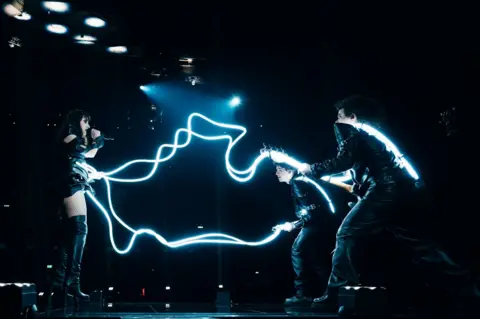
Analyzing the musical highlights requires considering various criteria including vocal performance, songwriting quality, production excellence, visual presentation, and cultural significance. Certain entries excel in specific categories while falling short in others, making overall rankings inherently subjective. The most widely praised performances typically demonstrate excellence across multiple dimensions, combining strong vocals with innovative production, memorable melodies, and compelling staging. Conversely, the low points often result from inconsistent execution rather than a single catastrophic failure.
Genre experimentation appears prominently throughout this year's selections, with artists blending traditional Eurovision sensibilities with elements from electronic music, hip-hop, folk traditions, and other contemporary styles. This genre-blending approach reflects broader trends in global popular music, where traditional categorical boundaries have become increasingly porous. The willingness of Eurovision participants to experiment with different sonic landscapes demonstrates the competition's evolution and its continued relevance to contemporary music culture. Such experimentation occasionally produces remarkable fusion pieces that transcend expected Eurovision formulas.
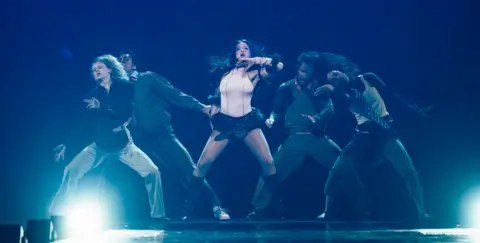
The role of choreography and visual presentation cannot be understated when evaluating complete Eurovision performances. Even songs with exceptional composition and vocal delivery can suffer from inadequate staging or uninspired choreography. Conversely, compelling visual elements can elevate songs that might otherwise seem unremarkable when experienced solely through audio. The most memorable Eurovision moments typically combine strong musicianship with equally strong visual components, creating multimedia experiences that lodge themselves in audience memories long after the competition concludes.
Regional voting patterns and audience preferences significantly influence which entries ultimately succeed in the competition, with geographical proximity and cultural affinity often playing roles in determining outcomes. Understanding these voting dynamics provides context for why certain seemingly strong entries underperform while unexpected dark horses advance further than anticipated. The tension between jury voting and popular audience voting creates additional complexity, potentially favoring artistically ambitious entries over crowd-pleasing selections depending on the scoring balance. These structural elements make Eurovision outcomes perpetually unpredictable despite the obvious quality indicators present in each song.
Ultimately, this year's Eurovision collection represents a comprehensive snapshot of contemporary global popular music preferences, production standards, and cultural values across participating nations. The 35 songs collectively demonstrate remarkable diversity while maintaining enough cohesion to function as a unified competition. Whether viewers connect most strongly with dancefloor bangers, socially conscious anthems, powerful ballads, or experimental genre fusions, this year's Eurovision offers substantial material worthy of critical examination and personal enjoyment. The competition continues to evolve while respecting traditions, ensuring its ongoing relevance and appeal to international audiences.
Source: BBC News


