
Eurovision Faces New Controversy Over Israel

Eurovision fans navigate another year of political turmoil as Spain, Ireland withdraw over Israel's participation in the contest.
The Eurovision Song Contest continues to find itself at the center of geopolitical controversy, as the beloved international music competition faces another year of heated debate and significant participant withdrawals. This year's tensions have brought longstanding political disputes into the spotlight, forcing fans and participants alike to confront difficult questions about the role of politics in what has traditionally been celebrated as a platform for musical celebration and cultural exchange.
Several nations, most notably Spain and Ireland, have announced their withdrawal from this year's competition, citing objections to Israel's participation in the contest. These withdrawals represent a significant moment for the Eurovision community, as they underscore the growing intersection between international politics and cultural events. The decisions have sparked widespread discussion about the boundaries of artistic expression and the responsibilities of participating nations when it comes to contentious geopolitical issues.
Spain's withdrawal particularly stands out given the country's strong cultural presence in recent Eurovision competitions. Irish officials cited concerns about the current political climate and the conflict in the Middle East as primary factors in their decision to step back from the contest. These withdrawals have sent ripples through the Eurovision fanbase, with supporters of the contest struggling to articulate their feelings about participating in an event now marked by political division rather than musical unity.
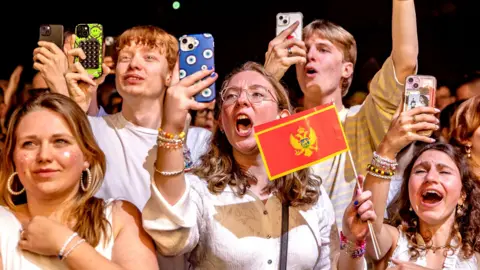
The Eurovision controversy reflects broader global tensions that have increasingly infiltrated cultural and sporting events worldwide. Rather than serving as a unifying force that transcends borders and nationalities, Eurovision has become a flashpoint for debates about political participation and representation. Social media platforms have become battlegrounds where fans defend or criticize participating nations, with many longtime supporters of the contest expressing frustration at the politicization of what they view as a purely artistic competition.
Despite these challenges, many devoted Eurovision fans remain committed to the contest, viewing it as an important cultural institution that has survived numerous controversies throughout its decades-long history. These supporters argue that withdrawal and boycotts do little to advance meaningful dialogue about complex geopolitical issues, and instead prefer to focus on the artistic merit and musical performances that define the competition. The fanbase has demonstrated resilience in previous years when controversies have threatened to overshadow the event, and many believe this year will be no different.
The participation question raises important discussions about the criteria for inclusion in international cultural events and how nations should navigate their participation when facing ethical or political concerns. Some argue that cultural boycotts represent a legitimate form of protest and pressure, while others contend that such actions only deepen divisions and prevent dialogue. These debates have become increasingly common in contemporary society, reflecting the difficulty of maintaining purely apolitical spaces in an interconnected world.
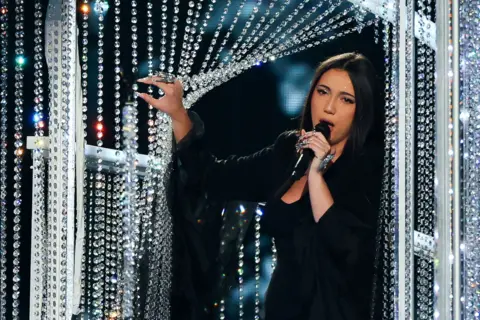
Eurovision's history is marked by numerous controversies and political moments, from Cold War tensions to recent conflicts surrounding various nations' participation. The contest's organizers have consistently attempted to maintain neutrality and focus on the musical competition, but external political realities have repeatedly challenged this approach. Each controversy tests the resilience of both the organization and its fanbase, forcing stakeholders to reconsider the event's fundamental purpose and values.
The withdrawal of Spain, Ireland, and other nations has prompted important conversations within the Eurovision community about what the contest means to different people. For some, it represents pure musical celebration and cultural diplomacy at its finest. For others, it has become impossible to separate the artistic competition from the political implications of participation, particularly when they believe nations are engaging in practices they fundamentally disagree with. This tension between artistic merit and political responsibility remains at the heart of current debates.
Broadcasting networks in various countries face their own considerations regarding coverage and participation decisions. Some stations have evaluated whether to continue broadcasting the contest, citing concerns about appearing to endorse certain political positions through their participation and coverage. These institutional decisions add another layer of complexity to an already intricate situation, as media organizations balance their commitments to news neutrality with the implications of their editorial choices.
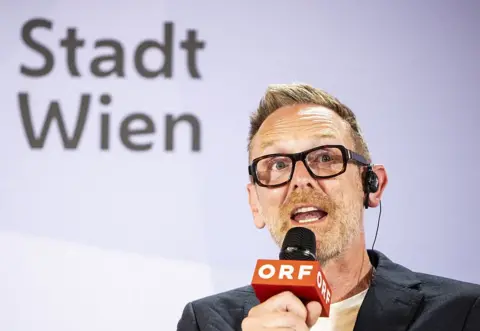
The current situation reflects changing attitudes among younger audiences who increasingly view cultural events through a political lens. Many young people believe that artists and nations have a responsibility to take ethical stances, even if it means withdrawing from prestigious international platforms. This generational perspective contrasts with older fans who grew up viewing Eurovision as a escapist entertainment experience free from international political complications.
Despite the withdrawals and controversies, the contest continues to generate significant global interest and viewership. The Eurovision Song Contest remains one of the world's most-watched televised events, demonstrating that even amid political turmoil, audiences continue to tune in for the musical performances, elaborate staging, and cultural spectacle. This continued interest suggests that while politics may complicate the narrative surrounding Eurovision, it has not fundamentally diminished the event's appeal.
The Eurovision community moving forward will likely need to grapple with these tensions as a permanent feature of the competition. Rather than treating political controversy as an anomaly, stakeholders may need to develop more sophisticated approaches to addressing how international politics intersects with cultural events. This might include creating clearer frameworks for discussing concerns while maintaining space for artistic expression and cultural exchange that transcends political divisions.

Ultimately, the fate of Eurovision depends on whether the fanbase and participating nations can find ways to maintain their commitment to the contest despite ongoing geopolitical tensions. History suggests that Eurovision has proven remarkably resilient, surviving numerous challenges throughout its existence. While the current controversy represents a significant challenge, many believe that the contest's unique ability to bring cultures together through music may eventually triumph over the forces seeking to divide it.
Source: BBC News


