
Euthanasia Victory: Spanish Woman's Poignant Fight to End Her Suffering

A 25-year-old Spanish woman, Noelia Castillo, has won the legal battle to end her life under the country's euthanasia law after a sexual assault left her paraplegic and in constant pain.
Noelia Castillo, a 25-year-old Spanish woman, has emerged victorious in her legal fight to exercise her right to euthanasia after a traumatic sexual assault left her paraplegic and in constant, debilitating pain. Castillo's harrowing journey has shed light on the complexities surrounding end-of-life choices and the gradual shift in European attitudes towards assisted dying.
Castillo's struggles began at a young age, as she had been grappling with psychiatric illness for years. In October 2022, the unthinkable happened – Castillo was sexually assaulted, an event that left her paralyzed from the waist down. The attack and its aftermath pushed Castillo to the brink, and she attempted to take her own life shortly after.
Spain's Euthanasia Law Provides Hope
Fortunately, Spain's euthanasia law, introduced in 2021, offered Castillo a glimmer of hope. This groundbreaking legislation, one of the first of its kind in Europe, allowed individuals like Castillo to legally seek assistance in ending their lives under specific circumstances.
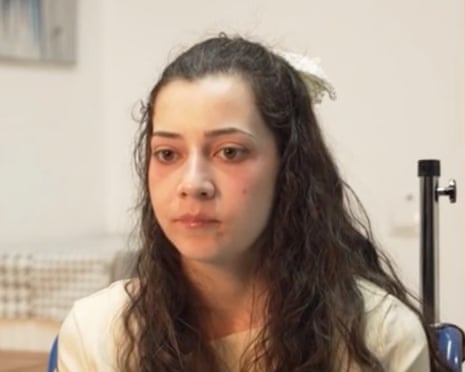
After months of legal battles and negotiations with her father, who initially opposed her decision, Castillo was granted permission to end her life on Thursday. Her story has sparked a renewed conversation about the complexities of euthanasia and the need for compassionate, evidence-based policies that respect individual autonomy while upholding the sanctity of human life.
A Tragic Yet Poignant Journey
Castillo's journey, though heartbreaking, serves as a powerful reminder of the immense suffering that some individuals face and the importance of providing dignified end-of-life options. As attitudes towards assisted dying continue to evolve across Europe, Castillo's case will undoubtedly shape the ongoing debate and influence future policy decisions.
The tragedy of Castillo's story underscores the need for comprehensive mental health support, better protections for vulnerable individuals, and a compassionate approach to end-of-life choices. As society grapples with these complex issues, it is crucial to prioritize the well-being and autonomy of those facing unimaginable suffering.
Castillo's story has left an indelible mark, and her courage in the face of unimaginable adversity will undoubtedly inspire others to advocate for more humane and compassionate end-of-life policies. As the world watches, the legacy of Noelia Castillo will continue to shape the ongoing dialogue surrounding euthanasia and the fundamental human right to die with dignity.
Source: The Guardian


