
Everest Flood Alert System Abandoned for Years

A critical flood warning system at Imja glacial lake near Mount Everest has deteriorated since 2016, leaving thousands of people vulnerable to dangerous glacial outburst floods.
A flood warning system installed at Imja glacial lake, situated in the shadow of Mount Everest in Nepal, has fallen into a state of disrepair and abandonment over the past several years. According to concerned residents in the surrounding communities who spoke with BBC journalists, the sophisticated monitoring infrastructure has not received proper maintenance since 2016, raising serious alarm bells about the safety of thousands of people living downstream from the glacier.
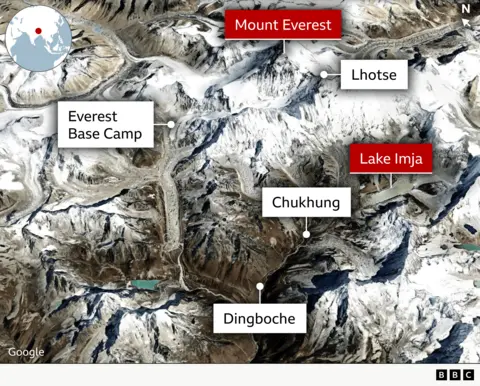
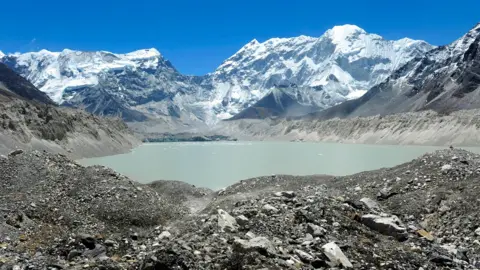
The Imja glacial lake, located at approximately 5,010 meters above sea level in the Sagarmatha region of Nepal, was created by the melting of the Imja glacier over the past few decades. This newly formed body of water poses a significant threat to local communities, as glacial lakes can experience catastrophic drainage events known as glacial lake outburst floods, or GLOFs. The flood warning system was specifically designed to provide early detection of such dangerous events and give residents precious minutes to evacuate to higher ground.
The decision to install an advanced monitoring system at the site was made after years of scientific research highlighted the growing danger posed by rapidly melting glaciers in the region. Engineers and hydrologists determined that a comprehensive early warning system could save lives by detecting unusual changes in water levels, dam integrity, and hydrological conditions that might indicate an imminent flood event. The multi-million dollar investment represented a critical infrastructure project aimed at protecting vulnerable mountain communities.
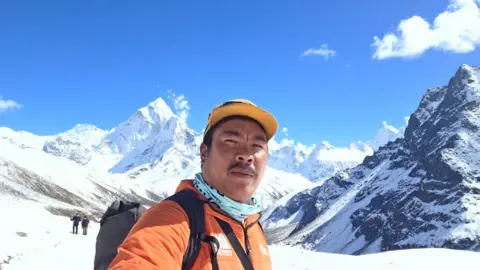
However, the system's effectiveness has been severely compromised by years of neglect and inadequate maintenance protocols. Local residents have expressed mounting frustration with authorities over the deteriorating condition of the equipment and monitoring infrastructure. According to interviews conducted by BBC correspondents, the sensors and communication devices that once formed the backbone of the early warning infrastructure are now largely non-functional or severely degraded from exposure to harsh high-altitude weather conditions.
The abandonment of this critical safety system comes at a particularly concerning time, as climate change continues to accelerate glacier melting across the Hindu Kush and Himalayan mountain ranges. Scientists have warned that glacial outburst floods are becoming increasingly frequent and severe as global temperatures rise and ice sheets diminish at unprecedented rates. The threat to downstream communities is compounded by the fact that many settlements in the region are built in narrow valleys with limited escape routes, making them extremely vulnerable to the destructive power of sudden water surges.
The specific circumstances surrounding why the system was abandoned remain unclear, though officials suggest funding constraints and logistical challenges may have played a role. Maintaining sophisticated equipment at high altitude requires specialized expertise, regular supply runs, and substantial ongoing financial investment. The harsh environmental conditions at the location—including extreme cold, thin oxygen levels, and frequent storms—make maintenance operations particularly difficult and expensive to execute.
Local villagers, who depend on accurate flood risk monitoring for their safety, have become increasingly vocal about their concerns. Community leaders have appealed to national authorities and international organizations to restore the system's functionality and establish sustainable maintenance protocols. The residents of downstream settlements fear that without proper warning systems in place, a catastrophic flood event could occur with no advance notice, potentially resulting in significant loss of life and displacement of entire communities.
The situation highlights broader challenges facing mountain communities in Nepal and across the Himalayan region as they grapple with the accelerating impacts of climate change. Glacial lakes throughout the region continue to grow in size and number, with scientists identifying dozens of lakes that could pose similar flood risks to populated areas. The failure to maintain protective infrastructure at Imja serves as a cautionary tale about the importance of sustained investment in disaster preparedness systems in vulnerable regions.
International experts have called for renewed commitment to maintaining critical infrastructure in high-risk zones. Climate scientists emphasize that as glacial lakes become larger and more numerous, the potential for catastrophic flooding events increases substantially. They argue that early warning systems represent a cost-effective approach to reducing casualties and property damage compared to the long-term economic and human costs of unmitigated flood disasters.
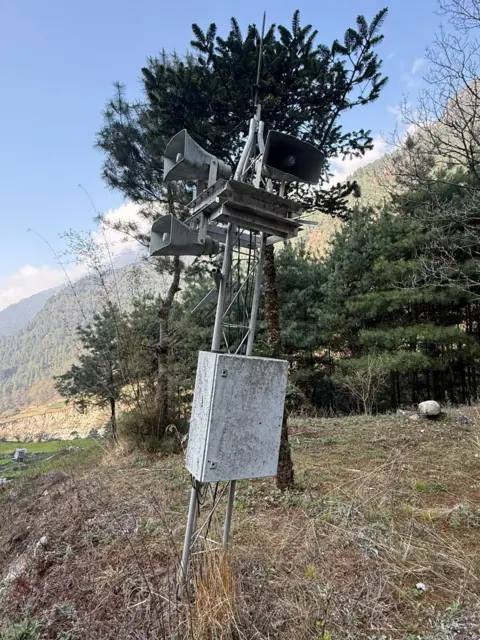
The Nepali government has faced mounting pressure from international organizations and NGOs to address the deteriorating state of the Imja warning system. Officials have acknowledged the problem but cite limited resources as a significant obstacle to rapid restoration efforts. Some experts have suggested that partnerships with international donors and climate-focused organizations could help fund the necessary repairs and establish long-term maintenance protocols.
Meanwhile, local communities continue to live with the persistent uncertainty about their vulnerability to potential glacial flood hazards. Without a functioning warning system, residents must rely on informal observation methods and traditional knowledge to detect changes in lake conditions. While such methods have value, they are significantly less reliable than modern technological monitoring solutions and provide less time for evacuation if a sudden flood event occurs.
The situation at Imja glacial lake serves as a stark reminder of the interconnected challenges posed by climate change, infrastructure maintenance, and disaster risk reduction in mountain regions. The thousands of people living downstream depend on systems like the now-abandoned warning infrastructure for their safety and security. As global temperatures continue to rise and glacial conditions evolve rapidly, the importance of maintaining and upgrading such protective systems becomes increasingly critical for vulnerable mountain communities throughout the world.
Source: BBC News


