
Everest Route Reopens After Dangerous Ice Block Cleared

Mount Everest climbing route cleared after massive ice collapse. Experts warn of ongoing risks and potential summit queue delays for mountaineers.
A significant breakthrough has been achieved on Mount Everest as teams successfully cleared a massive ice block that had been obstructing the primary climbing route. The removal of this dangerous obstruction marks a crucial development in the 2024 climbing season, allowing expeditions to resume their ascent toward the world's highest peak at 29,032 feet. However, the situation remains precarious, with mountain safety experts cautioning that the underlying hazards have not been entirely eliminated and future collapses remain a real possibility.
The ice block in question had created a significant bottleneck on one of the most critical sections of the climb, forcing mountaineers to find alternative routes or face dangerous delays. This particular area, known for its inherent instability due to the Everest ice collapse risks, had become increasingly unstable in recent weeks due to warming temperatures and natural glacial movement. The clearing operation required specialized mountaineering teams to carefully remove debris and stabilize the remaining ice structures to ensure safer passage for climbers attempting the summit.
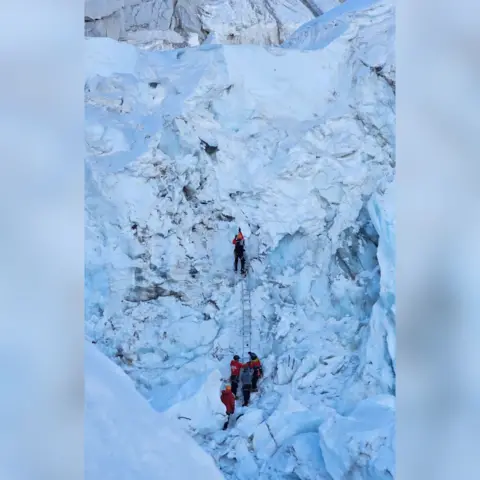
Safety officials and experienced mountaineers have emphasized that while the immediate blockade has been addressed, the Mount Everest climbing hazards persist throughout this section of the mountain. The Khumbu Icefall, through which climbers must pass, is notoriously dangerous and unpredictable, with ice towers and seracs constantly shifting and collapsing due to the glacier's natural movement. These geological formations can change dramatically within hours, presenting an ever-present threat to expedition teams regardless of clearing efforts.
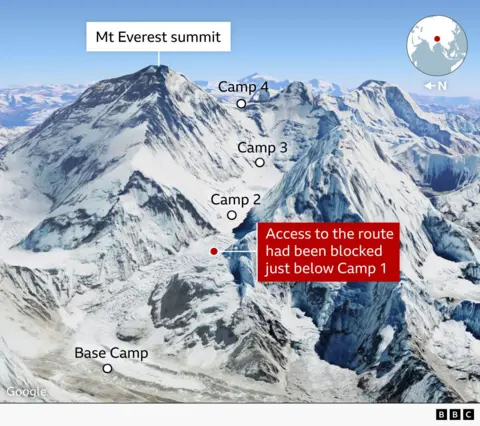
The successful clearance of the ice block represents a temporary solution to an ongoing challenge faced by Everest mountaineers each climbing season. Teams worked tirelessly to remove the dangerous ice fragments and reinforce fixed ropes along the affected section, creating a safer passage for the dozens of expeditions currently staged at base camps. This effort demonstrates the significant coordination and risk management required to support the thousands of climbers who attempt Everest each year, despite the inherent dangers involved.
One of the most pressing concerns raised by mountain safety experts is the potential for renewed summit queue formations on Everest, a phenomenon that has drawn criticism in recent years. When multiple expeditions converge on the mountain simultaneously and climbing routes become congested, mountaineers can face dangerous delays at high altitudes where oxygen is scarce and weather conditions deteriorate rapidly. The clearing operation has reopened the route, but the fundamental issue of overcrowding during peak climbing windows remains unresolved.
Historical data shows that traffic jams at high altitudes have contributed to numerous climbing accidents and fatalities on Everest. When climbers are forced to wait at extreme elevations—particularly near the summit in the so-called "death zone" above 26,000 feet—their oxygen supplies diminish, physical exhaustion compounds, and exposure to harsh environmental conditions intensifies. The recent clearance of the ice obstruction does not address these underlying structural problems related to expedition management and mountaineer safety protocols.
Climate change has emerged as a significant factor in the increasing frequency and severity of ice collapse incidents on Everest. Rising global temperatures are accelerating glacial melting at high altitudes, destabilizing ice formations and creating unpredictable conditions. Researchers studying the mountain's evolution have documented significant changes in ice stability patterns over the past two decades, suggesting that mountaineers can expect more frequent obstacles and hazardous conditions in the coming years.
The expedition teams currently preparing for summit attempts are cautiously optimistic about the reopened route but remain vigilant about potential dangers. Lead climbers and expedition coordinators have implemented enhanced monitoring systems to detect early warning signs of further ice instability. Regular patrols of the cleared section help identify any new formations or shifting ice that could jeopardize climber safety before they become critical obstacles requiring emergency intervention.
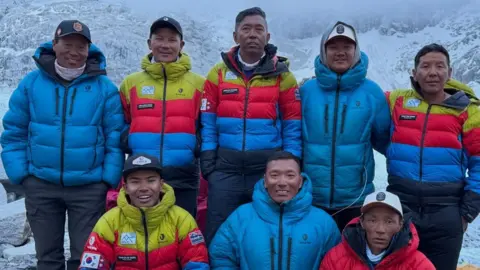
Local Sherpa guides, who possess deep knowledge of the mountain acquired through decades of experience, have provided invaluable input regarding route conditions and ice stability assessments. These experienced mountaineers understand the subtle indicators of danger that less experienced climbers might overlook, and their expertise has been instrumental in developing safer protocols for the cleared section. Their contributions to Everest climbing safety often go unrecognized but remain essential to successful expeditions.
The clearance operation itself presented significant technical challenges that required specialized equipment and expert mountaineering skills. Teams had to work at extreme altitudes where oxygen levels are approximately one-third of those at sea level, creating severe physical limitations on worker productivity and safety. The operation involved carefully analyzing ice stability, removing unstable fragments, and reinforcing the route with additional fixed ropes and anchor points to provide climbers with secure passage.
Beyond the immediate clearing efforts, expedition organizers are considering long-term solutions to address recurring blockages in this critical section of the mountain. Some proposals involve implementing more sophisticated ice monitoring technology, while others suggest implementing stricter expedition scheduling to reduce simultaneous climber numbers. These preventative measures could help mitigate the impact of future ice collapses, though they would require cooperation among multiple climbing organizations and international stakeholders.
The current climbing season has already demonstrated the unpredictability and dangers associated with Mount Everest expeditions, reinforcing the need for continued investment in safety infrastructure and research. As more climbers attempt the world's highest peak each year, the cumulative impact on the mountain's environment and the risks to human life continue to increase. The successful clearance of this ice block represents progress, but experts agree that much more work remains to adequately address the multifaceted safety challenges that define modern Everest mountaineering.
Looking forward, the climbing community recognizes that sustainable solutions to Everest ice hazards will require collaboration between mountaineers, environmental scientists, local communities, and government authorities. Enhanced training programs, improved risk assessment methodologies, and stricter adherence to safety protocols represent important steps toward reducing accidents and fatalities. While the cleared route now allows expeditions to proceed, the underlying reality remains that Everest continues to demand respect, preparation, and acknowledgment of its inherent, unchangeable dangers.
Source: BBC News


