
EVs Could Help Address UK's Fuel Reserve Concerns

Electric vehicles could reduce UK's reliance on petrol and diesel, extending fuel reserves. Two-way charging can earn money for EV owners and potentially avoid North Sea oil drilling.
Electric vehicles (EVs) could be part of the solution to the UK's fuel reserve worries, according to experts. With the Iran war sending petrol and diesel prices to record highs and sparking warnings of fuel rationing across Europe, there have been calls for Britain to drill more North Sea oil and gas. However, analysis suggests the UK is looking in the wrong places, and one of the answers may be sitting in people's driveways or parked on the street.
If more drivers switched to electric vehicles, Britain could sharply reduce its petrol and diesel consumption. Every car charged from the grid rather than the pump extends the country's fuel reserves, and experts say the potential impact goes far beyond that. In fact, the increased use of two-way charging could earn money for EV owners and potentially avoid the need to expand North Sea oil drilling.

The UK's reliance on imported oil and gas has been a growing concern, with the Iran war exacerbating the situation. However, the transition to electric vehicles could be a game-changer. By reducing the country's petrol and diesel consumption, EVs could help extend the UK's fuel reserves and provide a more sustainable solution than increased North Sea drilling.
One of the key benefits of electric vehicles is their ability to participate in two-way charging. This technology allows EV owners to not only charge their vehicles from the grid but also to feed electricity back into the grid when needed. This can provide a valuable revenue stream for EV owners, as well as help balance the electricity grid during peak demand periods.
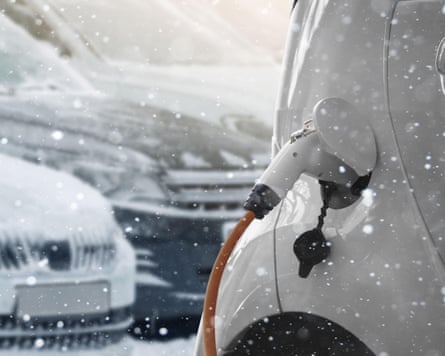
Experts believe that the widespread adoption of electric vehicles and two-way charging could have a significant impact on the UK's fuel reserve situation. By reducing the country's reliance on imported oil and gas, EVs could help strengthen energy security and potentially avoid the need for further North Sea oil and gas exploration.
The transition to electric vehicles is not without its challenges, but the potential benefits are substantial. As the UK grapples with the fuel reserve crisis, the role of EVs in providing a more sustainable and resilient energy solution is becoming increasingly clear.
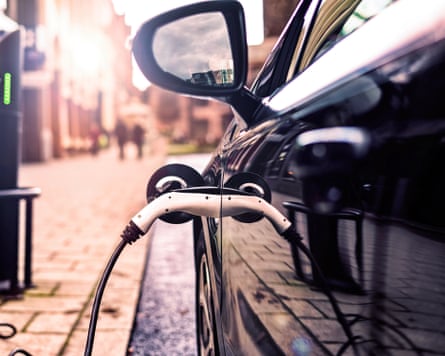
In conclusion, the UK's fuel reserve worries could be partially addressed by the increased adoption of electric vehicles. By reducing petrol and diesel consumption and leveraging two-way charging, EVs can help extend the country's fuel reserves and potentially avoid the need for further North Sea oil and gas drilling. As the world continues to grapple with energy security challenges, the role of electric vehicles in providing a more sustainable solution is an area worth further exploration.
Source: The Guardian


