
Ex-Chick-fil-A Worker Charged in $80K Mac-and-Cheese Fraud

A former Chick-fil-A employee faces charges for allegedly stealing $80,000 through fraudulent refunds on catering-sized mac-and-cheese orders redirected to personal accounts.
A former Chick-fil-A employee from Texas is facing serious criminal charges after authorities allege he orchestrated an elaborate scheme involving fraudulent refunds totaling approximately $80,000. The scheme centered on catering-sized mac-and-cheese trays, with the employee allegedly processing refunds directly to his personal credit cards rather than to legitimate customers. This case highlights growing concerns about internal fraud within major restaurant chains and the vulnerability of their refund systems to employee misconduct.
According to law enforcement officials, the employee systematically exploited his position at the Chick-fil-A location where he worked to gain unauthorized access to the restaurant's payment processing systems. Over a period of time, he allegedly created or manipulated orders for the chain's catering products, particularly the mac-and-cheese offerings that are popular among corporate and institutional clients. By processing refunds on these orders without corresponding legitimate purchases, the employee allegedly diverted funds to accounts he controlled, effectively stealing from the company.
The investigation into this fraud scheme began when corporate auditors at Chick-fil-A noticed unusual patterns in their refund activity and financial records. Discrepancies in catering orders and refunds raised red flags that prompted a deeper examination of transaction logs and employee access records. Once the suspicious activity was identified, company officials immediately notified law enforcement agencies, leading to a comprehensive investigation that would ultimately uncover the full extent of the alleged theft.
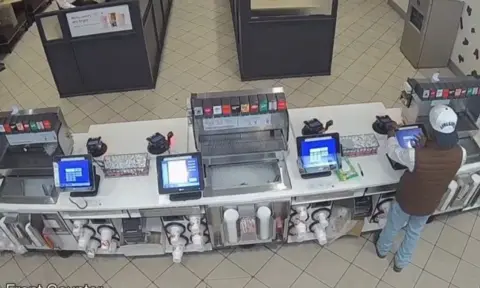
The mac-and-cheese catering scheme is particularly notable because it targeted a specific product line rather than random transactions. Catering orders, by their nature, involve larger quantities and higher price points than typical individual meals, making them ideal targets for someone seeking to steal substantial amounts of money. The employee's familiarity with the catering order process and his access to relevant systems gave him the technical ability to execute the fraud systematically over an extended period.
Court documents detail how the employee processed refunds for orders that were either never placed by actual customers or were orders he had personally manipulated. By issuing these refunds to his own credit cards, he created a clear paper trail that eventually led investigators directly to him. The alleged perpetrator had apparently relied on the assumption that the high volume of catering transactions would make his fraudulent activity blend in with legitimate business operations.
This incident raises serious questions about internal controls and oversight at Chick-fil-A and other quick-service restaurant chains. Employee access to payment systems, the ability to process refunds without proper authorization checks, and insufficient monitoring of financial transactions all contributed to the employee's alleged ability to commit this fraud. Industry experts suggest that this case serves as a cautionary tale for restaurant operators nationwide regarding the importance of implementing robust security measures and regular audits.

The charges filed against the former employee are serious and could result in significant prison time and financial penalties if he is convicted. Prosecutors have built their case on documented financial records, transaction logs, and testimony from Chick-fil-A employees and management who can attest to the employee's access and the fraudulent nature of the refunds. The evidence appears substantial and straightforward, given the clear digital trail of the transactions.
Chick-fil-A has publicly stated its commitment to cooperating fully with law enforcement in prosecuting this case. The company has emphasized that it maintains high standards of integrity and takes allegations of fraud extremely seriously. Following the discovery of this scheme, Chick-fil-A has reportedly implemented additional security measures and enhanced monitoring of refund transactions to prevent similar incidents in the future.
The $80,000 theft represents a significant financial loss for the company and serves as a reminder of the ongoing threat that insider fraud poses to businesses across all industries. While most employees are honest and trustworthy, the financial incentives involved in controlling payment systems can occasionally tempt individuals to engage in criminal behavior. This case underscores the critical importance of separating duties, requiring multiple approvals for large refunds, and maintaining comprehensive audit trails.
Legal experts note that prosecution of employee fraud cases like this one often proceeds relatively smoothly when there is clear documentary evidence of the misconduct. The digital nature of the transactions means that investigators can trace the flow of money with precision, leaving little room for the defendant to argue that the theft was accidental or misunderstood. The straightforward nature of the evidence may encourage the defendant to seek a plea agreement rather than proceed to trial.
Beyond the immediate criminal consequences for the individual involved, this case has broader implications for how the restaurant industry manages employee access to sensitive financial systems. Many establishments have traditionally relied on trust and spot checks rather than comprehensive monitoring, but incidents like this are prompting a shift toward more rigorous oversight. Implementing real-time alerts for unusual refund activity, requiring manager approval for all refunds above certain thresholds, and conducting regular audits of all transactions are becoming standard best practices.
As the legal proceedings continue, this case will likely be closely watched by other restaurant chains and food service businesses seeking to protect themselves from similar fraud vulnerabilities. The lessons learned from this situation extend beyond Chick-fil-A and have applicability across the entire hospitality and food service industry. By understanding how this employee exploited existing weaknesses in the system, other businesses can strengthen their own defenses and reduce their exposure to insider threats.
The investigation and prosecution of this case demonstrate the importance of having robust systems in place to detect anomalies in financial data. With the right tools and procedures, companies can identify suspicious patterns before they result in massive losses. As technology continues to evolve, so too do the methods that bad actors use to exploit systems, making continuous vigilance and regular updates to security protocols essential for all businesses handling significant financial transactions daily.
Source: BBC News


