
Ex-Labour MP Demands Starmer Face Commons Over Mandelson Vetting

Former Labour MP Karl Turner calls for privileges committee investigation into whether PM Keir Starmer misled parliament over Peter Mandelson's ambassador appointment.
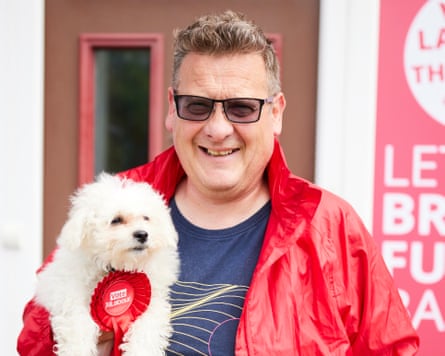
The political controversy surrounding the appointment of Peter Mandelson as ambassador to Washington has intensified significantly, with a former Labour MP now joining opposition parties in demanding accountability from Prime Minister Keir Starmer. Karl Turner, a prominent figure who was stripped of the Labour whip last month following his sustained criticism of Starmer and his government's direction, has formally written to the Speaker of the House of Commons requesting an urgent referral of the Prime Minister to the privileges committee.
Turner's intervention marks a notable escalation in the ongoing scandal, as it represents the first time a former Labour member has publicly called for such formal scrutiny of their own party's leader. The privileges committee investigation requested by Turner would examine whether Starmer misled Parliament regarding the vetting process and subsequent appointment of Mandelson to the prestigious Washington posting. This is the same powerful committee that previously investigated and found Boris Johnson guilty of misleading the Commons over the lockdown parties scandal, lending significant weight to the precedent being invoked.
Turner's action comes shortly after he was removed from the Labour whip following a series of carefully documented interventions in which he criticized both the Prime Minister and his policy direction. His decision to escalate matters to this level demonstrates the depth of concern among some within Labour circles about how the government has handled both the Mandelson appointment and subsequent parliamentary communications about the vetting procedures. The timing of his letter suggests frustration with how the government has responded to earlier questioning about the process.

The Mandelson vetting controversy has proven particularly problematic for the Starmer administration, raising questions about government transparency and parliamentary accountability. The appointment of Mandelson, a figure from New Labour's era who has maintained significant influence in political circles, was announced with considerable fanfare but has subsequently become mired in questions about whether proper vetting procedures were followed before his nomination was made public. Critics have suggested that certain details about the vetting process were either withheld from Parliament or presented in a misleading manner.
The involvement of Karl Turner in pressing for this investigation is particularly significant given his status within Labour ranks. Despite being removed from the whip, Turner remains a respected voice within certain sections of the party and among backbench MPs who share concerns about government accountability. His formal letter to the Speaker represents a calculated political move that could encourage other dissenting voices within Labour to speak out, potentially creating additional pressure on the government to provide fuller explanations about the Mandelson appointment process.
The privileges committee, which Turner is asking the Speaker to refer the matter to, operates independently from party political control and has demonstrated its willingness in the past to investigate senior figures regardless of party affiliation. The committee's previous finding against Boris Johnson established a precedent that prime ministers cannot escape scrutiny when accused of misleading Parliament, and invoking this precedent in Starmer's case creates a direct parallel that could prove uncomfortable for the current government. The committee's investigation into Johnson's conduct over the Partygate scandal resulted in significant reputational damage and contributed to his eventual departure from office.
The broader government transparency debate extends beyond just the Mandelson appointment itself. Questions have emerged about whether the Prime Minister's Office provided Parliament with complete and accurate information about the ambassador selection process, and whether all relevant considerations were properly disclosed. These are precisely the kinds of questions that the privileges committee is designed to investigate, making Turner's request procedurally sound and substantively grounded in legitimate concerns about parliamentary governance.
Opposition parties have already begun calling for similar investigations, with Conservative and Liberal Democrat MPs suggesting that the government has questions to answer about how it managed the vetting and appointment procedures. The cross-party nature of these calls for accountability adds legitimacy to the scrutiny and suggests that concerns about the handling of the appointment extend beyond partisan political point-scoring. When members of the ruling party's own ranks join opposition calls for investigation, it typically signals that underlying concerns have genuine substance worth examining.
The political implications of this controversy for the Starmer government are substantial. Just months into his premiership, facing internal criticism from former party members and opposition pressure over parliamentary accountability, the Prime Minister must navigate a delicate political situation. How the government responds to Turner's call for a privileges committee referral, and whether the Speaker agrees to make such a referral, will be closely watched as indicators of whether the administration is truly committed to the transparency it has promised.

The historical context of previous privileges committee investigations adds weight to Turner's action. The committee's investigative work into Boris Johnson's conduct demonstrated its capacity to conduct thorough, serious examinations of Prime Ministerial conduct and its willingness to make findings that carry significant political consequences. The mere initiation of such an investigation, regardless of outcome, often generates substantial scrutiny and media attention that can prove damaging to a government's standing and political capital.
Looking ahead, several procedural questions remain unresolved. The Speaker must decide whether to accept Turner's request for referral, and if accepted, the privileges committee would need to establish its terms of reference and timeline for investigation. During this period, the Mandelson appointment controversy will likely continue dominating political discussion, with ongoing questions about parliamentary accountability and government transparency keeping the issue in the public eye.
The outcome of these developing events could have significant ramifications for the Starmer government's ability to maintain momentum on its policy agenda. When a Prime Minister faces potential investigation by the privileges committee over misleading Parliament, it typically consumes considerable political attention and resources, potentially diverting focus from other government priorities. For an administration seeking to establish itself as competent and trustworthy after the turmoil of recent years, such investigations represent a significant political challenge regardless of eventual outcomes.


