
Ex-SNP Leader Jailed for Sexual Abuse

Former SNP council leader Jordan Linden sentenced to 18 months for multiple sexual offences against young men and boys aged 14 and older.
Jordan Linden, a once-prominent figure within the Scottish National Party leadership ranks, has been handed an 18-month prison sentence following his conviction on multiple counts of sexual assault. The former SNP council leader was found guilty of perpetrating a disturbing pattern of sexual offences against young men and teenagers, some as young as 14 years old, in what represents a significant scandal within the Scottish political establishment.
The conviction came after a comprehensive trial at Falkirk sheriff court that concluded in March, where a jury determined that Linden had committed five separate sexual assaults on young males over an extended period. The trial proceedings exposed troubling failures within the SNP's institutional response to allegations, with evidence presented demonstrating that the party had systematically "downplayed or ignored" multiple complaints regarding Linden's behaviour toward vulnerable individuals in his care and sphere of influence.
Linden's rise within the SNP had marked him as a politician with significant potential and promise within the party's ranks. His ascent through the ranks of local government had positioned him as one of the party's emerging talents, making his eventual exposure and conviction all the more shocking to party members and constituents alike. The sexual offences conviction has cast a shadow over the SNP's institutional culture and governance structures.
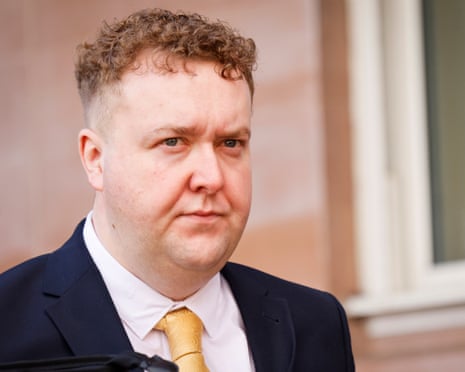
The offences in question spanned a troubling decade-long period between 2011 and 2021, during which time Linden exploited his position of authority and trust within the community. The victims, whose identities have been protected through legal proceedings, were subjected to unwanted sexual contact and assault while under circumstances where Linden held considerable power and influence over their lives. The extended timeframe of the abuse underscores the systematic nature of the offending behaviour and the vulnerability of the victims involved.
During the trial proceedings at Falkirk sheriff court, prosecutors presented compelling evidence documenting a pattern of predatory behaviour that exploited the victims' youth and vulnerability. The court heard testimony from witnesses and victims that painted a picture of calculated manipulation and abuse of power by someone entrusted with public responsibility. The trial also heard from experts who testified about the psychological impact on the survivors of such abuse of authority.
The institutional failures revealed throughout the trial have become a central focus of scrutiny and concern within Scottish political circles. The SNP's documented practice of downplaying or deliberately ignoring complaints about Linden's behaviour raised serious questions about the party's safeguarding protocols and commitment to protecting young people in its sphere of influence. These revelations have prompted calls for comprehensive reviews of party procedures and accountability mechanisms.
Following the guilty verdict, prosecutors sought substantial custodial sentencing, arguing that the severity and sustained nature of the offences warranted significant prison time. The sheriff presiding over the case accepted these arguments, determining that an 18-month sentence was appropriate given the gravity of the crimes, the number of victims involved, and the breach of public trust that Linden's actions represented. This sentence reflects the serious view taken by the judicial system regarding sexual abuse perpetrated by those in positions of authority.
The case has reignited broader conversations about safeguarding within political parties across the United Kingdom. Organisations representing victims' advocacy groups have called for stricter vetting procedures, mandatory reporting obligations, and more robust internal investigation mechanisms to prevent similar failures from occurring in other political organisations. The abuse of power by politicians has become an increasingly pressing concern for oversight bodies and civil society groups.
Legal observers have noted that the conviction and sentencing represent an important moment for accountability within Scottish politics. The case demonstrates that positions of political prominence and party affiliation do not shield individuals from criminal prosecution for sexual offences. The publicity surrounding the trial has also encouraged other potential victims of similar abuses to come forward, with specialist support services reporting increased contact from individuals seeking to report historical abuse.
The SNP leadership has expressed regret regarding the institutional failures that allowed Linden's behaviour to continue unchecked for such an extended period. Party officials have committed to implementing comprehensive reforms to their complaints and safeguarding procedures, including independent oversight mechanisms and enhanced training for party officials on handling allegations of misconduct. These reforms aim to restore confidence in the party's ability to protect vulnerable individuals.
Linden's conviction and imprisonment mark a significant turning point in discussions about accountability within Scottish political structures. The case underscores the importance of robust institutional safeguarding mechanisms, transparent complaint procedures, and a culture that prioritises victim protection over protecting the reputations of prominent party members. As the SNP implements changes to its internal governance, the broader Scottish political establishment continues to grapple with questions about how such systemic failures were allowed to persist undetected for so long.
Source: The Guardian


