
Exiled Jews Preserve Faith Through Ferrara Bible Translation

New edition of 1553 Spanish translation of Hebrew Bible by Jews who fled Spanish persecution reveals how they kept faith alive in exile.
The story of the Ferrara Bible is a testament to the resilience and ingenuity of the Jewish community that produced it. In 1553, a group of exiled Spanish and Portuguese Jews who had found refuge in the northern Italian city of Ferrara undertook a project that would have been unthinkable, and potentially deadly, in their former homelands.
These Jews, who had fled the persecution and forced conversions that ravaged their communities in the Iberian Peninsula, translated the Hebrew Bible into their common language of Spanish. This remarkable act of cultural preservation and faith-keeping was made possible by the relative freedom and security they enjoyed in their Italian exile.
The Ferrara Bible was not merely a translation, but a carefully curated work that reflected the unique experiences and needs of its intended audience - Jews who had been uprooted from their homes and were struggling to maintain their traditions and identity in a foreign land.
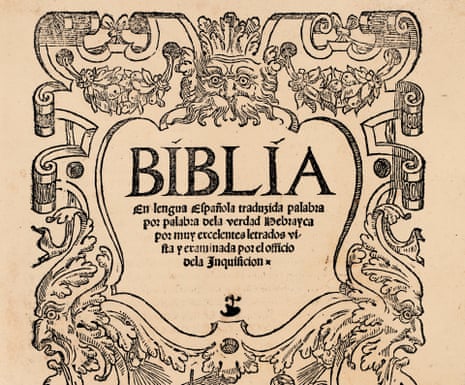
The translation itself was a labor of love, undertaken by a community of scholars, scribes, and printers who were determined to ensure that the word of God remained accessible and meaningful to their people. They not only translated the text, but also included commentaries, annotations, and other features that would help their fellow exiles navigate the complexities of the biblical text and maintain their connection to their religious heritage.
The publication of the Ferrara Bible was a defiant act of cultural resistance in the face of oppression. It demonstrated the resilience and adaptability of the Jewish people, who refused to allow their faith and traditions to be extinguished, even in the face of displacement and persecution.
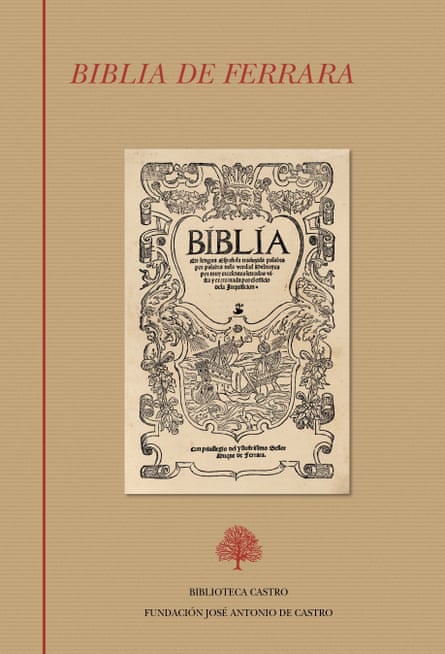
The new edition of the Ferrara Bible is more than just a historical curiosity; it is a powerful reminder of the enduring strength of the human spirit and the indomitable will of a people to preserve their identity and faith in the face of adversity. It serves as a poignant testament to the perseverance and resilience of the Jewish community that created it, and a testament to the enduring power of the written word to sustain and empower those who have been displaced and oppressed.
Source: The Guardian


