
Exploring the Ethical Dilemma of Textile Waste: Where Do Your Recycled Clothes End Up?

Discover the surprising destination for many discarded garments from around the world - a South American desert. This thought-provoking article explores the ethical challenges of textile waste.
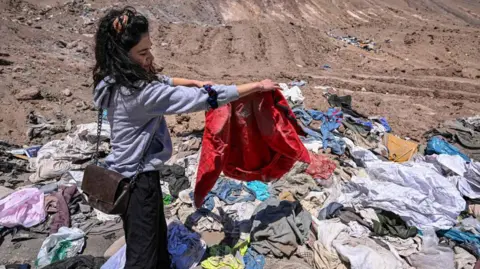
In a remote corner of South America, a vast desert landscape has become the unlikely destination for millions of discarded garments from around the world. This hidden dumping ground, known as the Atacama Desert, has become a stark symbol of the global waste crisis, where the good intentions of recycling often fall short.
The Atacama Desert, situated in northern Chile, is the driest non-polar desert in the world, with some areas receiving less than 1 millimeter of rain per year. It is also home to a thriving secondhand clothing industry, fueled by the steady stream of discarded textiles from the Global North.
As consumers in developed countries increasingly embrace the idea of recycling their old clothes, many of these items end up on cargo ships, destined for countries like Chile. However, the reality on the ground is far from the sustainable vision that many had in mind.
Piles of Waste
In the Atacama Desert, vast piles of clothing have accumulated over the years, creating an unsightly and environmentally damaging landscape. Much of this clothing is not suitable for resale or reuse, and it ends up being simply discarded, contributing to the growing problem of textile waste.
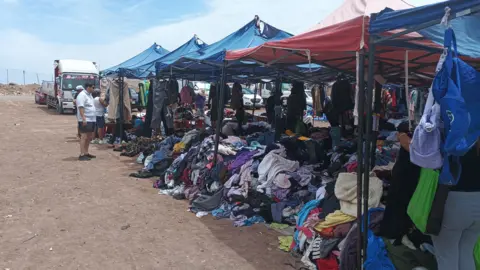
According to Camila Montal, a Chilean environmental activist, the situation in the Atacama Desert is a stark reminder of the limitations of the recycling system.
Source: BBC News


