
Extreme Heat and Deadly Floods Grip Americas and Africa

US and Mexico face dangerous heatwave with temperatures 10-15°C above normal while South Africa battles severe flooding across Western and Northern Cape regions.
As extreme weather patterns continue to reshape global climate conditions, the Western Hemisphere and Southern Africa are experiencing some of the most dangerous atmospheric phenomena in recent memory. The convergence of extreme heat affecting North America and devastating flooding impacting South Africa highlights the increasingly volatile nature of our planet's weather systems. These interconnected meteorological events demonstrate how climate change is creating more severe and unpredictable weather patterns that pose significant threats to populations across multiple continents.
A powerful ridge of high pressure is currently dominating weather patterns across the western United States and Mexico, forcing air masses to rise and creating conditions conducive to exceptional temperature increases. This atmospheric configuration is expected to persist throughout the week, with meteorologists forecasting sustained periods of dangerous heat. The pressure ridge is being reinforced by subtropical air masses that are pushing northward from the Pacific and Gulf of Mexico regions, creating a thermal dome effect that will amplify temperatures well beyond what residents typically experience during this time of year.
The US National Weather Service has taken the precautionary step of issuing multiple heat advisories covering significant portions of California and Arizona, two of the nation's most populous states. Particularly concerning are the extreme heat warnings that have been activated for Monday and Tuesday across the lower desert regions, with iconic locations like Palm Springs facing potentially life-threatening conditions. Temperature projections for these areas are alarming, with forecasters predicting highs between 40 and 43 degrees Celsius, equivalent to 104 to 110 degrees Fahrenheit.

Beyond the immediate danger zone in the lower deserts, much of the broader southwestern region is bracing for exceptionally elevated temperatures. Across California, Arizona, Nevada, and parts of Utah and New Mexico, daytime temperatures are expected to climb into the high 30s Celsius range, which represents a dangerous 10 to 15 degrees Celsius above the seasonal average for early to mid-summer. This departure from normal temperature patterns is sufficiently dramatic to warrant significant public health concerns, as the human body's ability to regulate core temperature becomes compromised during extended periods of extreme heat exposure.
The trajectory of this heat system is expected to shift eastward as the week progresses, bringing dangerously hot conditions to the Midwest and Great Plains regions. This eastward progression means that residents and public health officials in states such as Texas, Oklahoma, Kansas, and Nebraska should begin preparing for elevated heat conditions by the latter part of the week. The migration of heat typically brings relief to the southwestern states, but only after several days of dangerous conditions have passed through the region.
Mexico is simultaneously experiencing the effects of the same atmospheric pressure system that is affecting the United States. The nation's northern states, which border the American Southwest, are expected to face particularly severe heat impacts. Major metropolitan areas in northern Mexico are bracing for temperatures that will approach or exceed 45 degrees Celsius, creating hazardous conditions for millions of residents who lack widespread access to air conditioning infrastructure.
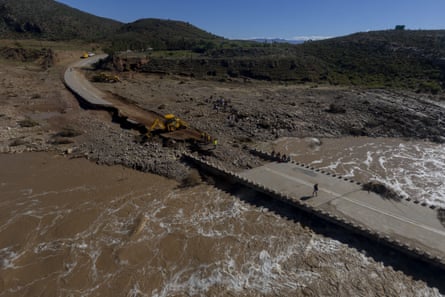
While North America grapples with extreme heat, South Africa's Western and Northern Cape regions are confronting an entirely different meteorological crisis. A persistent series of heavy rainfall events has unleashed devastating floods across these provinces, resulting in significant loss of life and extensive infrastructure damage. The flooding represents one of the most severe precipitation events to impact the region in recent years, with rainfall totals far exceeding seasonal norms and overwhelming drainage systems that were designed for historical precipitation patterns.
The Western Cape, home to Cape Town and numerous other major urban centers, has been particularly hard hit by the flooding. Rivers have overflowed their banks in multiple locations, inundating residential neighborhoods, disrupting transportation networks, and creating dangerous conditions that have complicated rescue and relief operations. The flooding has also raised serious concerns about water quality, disease transmission, and the availability of clean drinking water in affected areas.
The Northern Cape has similarly experienced severe flooding impacts, with extensive damage reported in both urban and rural areas. The combination of heavy rain, inadequate drainage infrastructure, and terrain that channels water into concentrated flows has created perfect conditions for destructive flooding. Communities in these regions are now facing the difficult task of recovery while simultaneously dealing with ongoing rainfall threats that have not yet fully dissipated.
These concurrent weather emergencies underscore the growing complexity of global weather patterns and the increasing frequency of extreme events. Scientists and climate researchers point to shifting atmospheric circulation patterns and warming ocean temperatures as contributing factors to the intensification of both heat events and precipitation systems. The coexistence of record-breaking heat in one region and catastrophic flooding in another reflects the fundamental instability being introduced into Earth's climate system.
Public health authorities in affected regions are implementing emergency protocols to protect vulnerable populations from the respective threats posed by heat and flooding. In the southwestern United States, health officials are activating cooling centers, increasing public awareness about heat-related illness symptoms, and coordinating with emergency services to ensure rapid response to heat emergencies. In South Africa, emergency management agencies are focusing on search and rescue operations, disease prevention, and the restoration of essential services disrupted by the flooding.
The long-term implications of these extreme weather events extend beyond the immediate emergency response phase. Both the heat waves and the flooding are creating conditions that may persist for extended periods, requiring sustained public health and disaster management responses. Communities affected by these events will likely face recovery periods lasting months or even years, with significant economic costs and lasting impacts on local ecosystems and infrastructure systems.
As these weather systems continue to develop and evolve, meteorological agencies across North America and Africa will maintain close monitoring and issue updated forecasts as new data becomes available. The coming days will be critical in determining the ultimate severity of both the heat wave and the flooding events. Residents in affected areas are urged to remain vigilant, follow official guidance, and take appropriate precautions to protect themselves and their families from the dangers posed by these extreme weather conditions.
Source: The Guardian


