
F1 Engine Changes Coming 2027: V6 Hybrid Tweaks Explained

Formula 1 prepares major engine adjustments for 2027 with V6 hybrid power units. Discover what's changing and why trade-offs remain in the sport's technical evolution.
The world of Formula 1 continues to evolve both on and off the track, with significant regulatory changes shaping the sport's future. While the visual appearance of F1 cars may have transformed dramatically over the past two decades compared to their predecessors from 2006 or 1986, the behind-the-scenes drama and decision-making processes remain equally compelling for fans and stakeholders alike. Currently, the sport's governing bodies and team principals are navigating complex negotiations surrounding the newly introduced V6 hybrid power units that debuted in 2026, with another round of modifications already being planned for the 2027 season.
The introduction of the latest generation of hybrid engines has created a unique set of challenges and opportunities for Formula 1's technical landscape. F1's decision-makers found themselves needing to address concerns that emerged from the initial implementation of these new hybrid regulations, which have proven more impactful than some observers anticipated. The first meaningful attempt to correct course came during the Miami Grand Prix, where the FIA introduced carefully calculated modifications aimed at restoring some of the excitement and unpredictability that fans expect from qualifying sessions. These adjustments, while relatively modest in scope, demonstrated the sport's willingness to make in-season corrections when necessary.
The technical framework governing modern F1 competition has undergone extensive development over the past several years. Since as early as 2022, when initial planning discussions took place, the direction was already clear: a fundamental shift toward greater emphasis on electric power integration would define the next generation of racing machines. The vision included an approximately equal split between traditional combustion engine power and electric motor assistance, combined with an all-new V6 turbocharged engine utilizing carbon-neutral fuel sources. Additional features like active aerodynamic systems were designed to minimize drag and improve overall efficiency across race weekends.
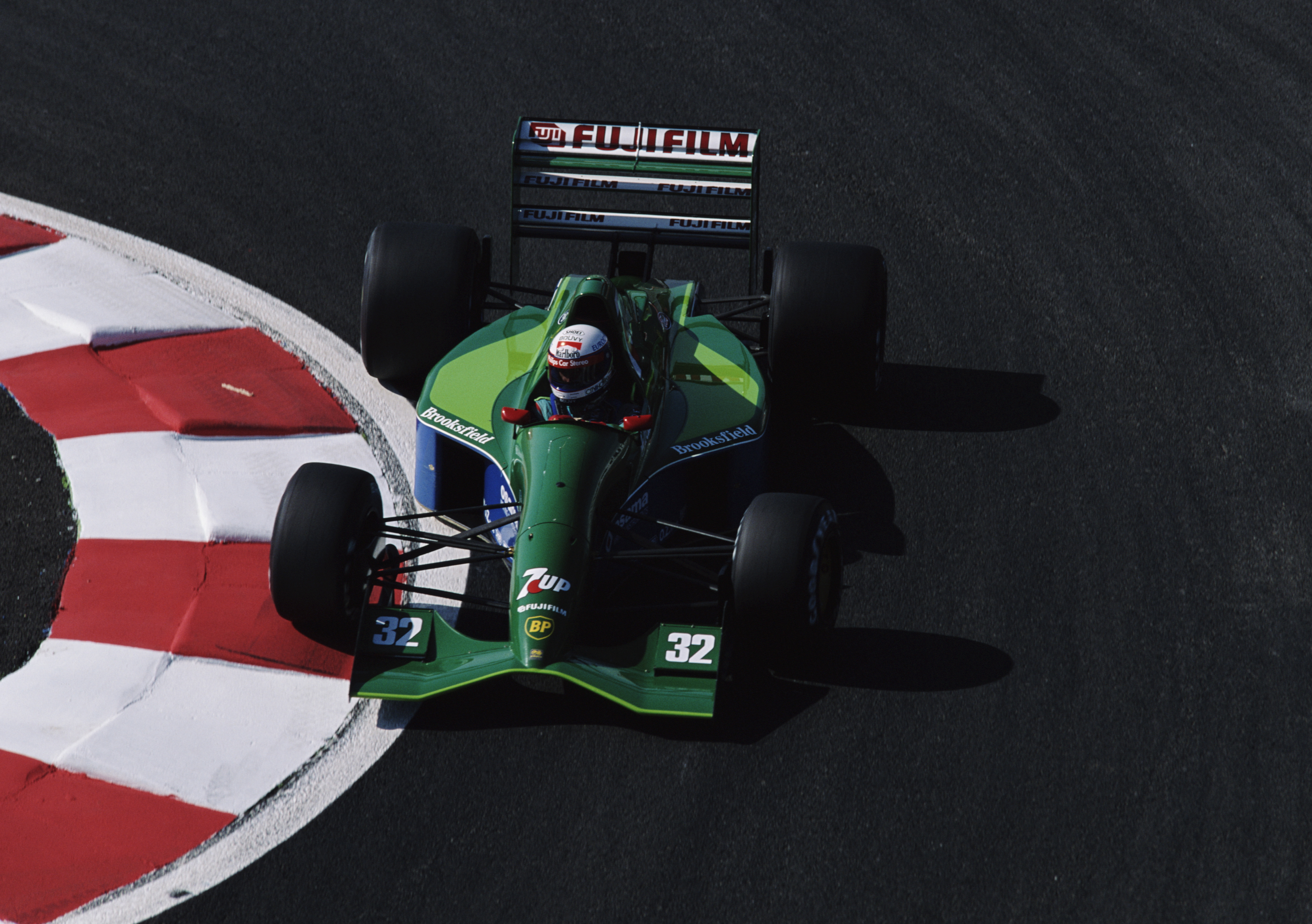
The evolution of these regulations represents more than just technical tinkering—it reflects F1's broader commitment to sustainability and innovation in motorsport. By the time the 2024 season was well underway, the Fédération Internationale de l'Automobile had refined the specifications further, ensuring that the 2026 regulations would introduce genuinely groundbreaking technology to the sport. The goal was to create racing machines that were lighter, more nimble, and more reliant on hybrid propulsion systems than ever before in Formula 1 history. However, the introduction of any major technical regulation change inevitably brings unforeseen consequences that require ongoing adjustment.
The current situation in Formula 1 demonstrates the complex balancing act that governing bodies must perform when implementing sweeping technical changes. The 2027 engine modifications being discussed represent a proactive approach from FIA officials and stakeholders who recognized that further fine-tuning would be necessary to optimize the racing spectacle. These adjustments focus on recalibrating the power distribution between the hybrid systems and traditional engine components, ensuring that competitive balance is maintained while also preserving the exciting racing qualities that audiences demand.

One of the primary concerns that emerged following the introduction of the V6 hybrid units involved the relative performance characteristics of different power unit manufacturers. Some teams appeared to gain competitive advantages through their interpretation of the new regulations, while others struggled to extract competitive performance from their power units. The Miami Grand Prix modifications were specifically designed to address these imbalances in qualifying performance, and early reports suggested they successfully accomplished their objective of returning genuine excitement to the one-lap shooting fest that qualifying represents.
The discussion around V8 engine speculation that has surfaced in some circles warrants careful examination. While some observers have speculated whether a return to traditional V8 configurations might be considered, the reality is that F1's regulatory direction remains firmly committed to the hybrid-electric paradigm. The V6 hybrid approach represents not merely a change in displacement or cylinder count, but rather a fundamental philosophical shift toward environmental responsibility and technological innovation in motorsport. Any conversation about alternative engine configurations exists more in the realm of fan speculation than in the serious discussions happening within FIA technical committees.
The trade-offs inherent in the current regulatory framework deserve serious consideration from all stakeholders involved in Formula 1. Every modification that increases electric power contribution necessarily changes the character of the racing experience in subtle but meaningful ways. The sound of the engines, the throttle response characteristics, and the overall sensation of speed that drivers and fans experience are all affected by the hybrid emphasis. However, these trade-offs are accepted as necessary in pursuit of sustainability goals and the sport's long-term viability.
Looking toward the 2027 season, the power balance adjustments being considered will likely focus on fine-tuning the performance envelope of the hybrid systems and their integration with the V6 turbocharged engines. Technical discussions are ongoing between the FIA, engine manufacturers, and teams regarding optimal configurations that will satisfy performance requirements while maintaining competitive equilibrium across the grid. The goal remains unchanged: to deliver thrilling, unpredictable racing that captivates audiences worldwide while advancing the technological frontier of motorsport.
The sophistication of modern Formula 1 governance cannot be overstated when considering the complexity of these regulatory frameworks. Multiple stakeholder groups including manufacturers, teams, drivers, and broadcasters all have legitimate interests in how the sport evolves technically. The process of reaching consensus on modifications like those planned for 2027 requires extensive negotiation and compromise. Despite occasional controversies, this collaborative approach has generally served the sport well, allowing it to adapt to new challenges while preserving its core identity and appeal.
The future of Formula 1's technical regulations will undoubtedly continue to evolve as manufacturers develop increasingly sophisticated hybrid propulsion systems and aerodynamic solutions. The 2027 modifications represent just one step in an ongoing journey toward perfecting the balance between performance, sustainability, and entertainment value. Whether these changes successfully address all stakeholder concerns remains to be seen, but the proactive stance being taken by F1's decision-makers suggests a sport committed to continuous improvement and adaptation in an ever-changing technological landscape.
Source: Ars Technica


