
Facial Recognition in Stores: Privacy Concerns Emerge

Explore how retailers and police are deploying live facial recognition technology. What are the implications for consumer privacy and surveillance?
The retail landscape is undergoing a dramatic transformation as facial recognition technology becomes increasingly prevalent in stores across the country. From sprawling supermarket chains to independent corner shops, businesses are rapidly adopting live facial recognition systems as a means to combat theft and enhance security measures. While law enforcement agencies have championed this technology as a powerful tool in their crime-fighting arsenal, the expansion into the commercial sphere raises significant questions about the boundaries of public surveillance and individual privacy rights.
According to Jessica Murray, social affairs correspondent for The Guardian, the implementation of facial recognition in retail environments represents a fundamental shift in how businesses monitor and interact with customers. Beyond the traditional security cameras that have long been fixtures in shopping centers, these new systems use artificial intelligence to identify individuals in real-time, comparing faces against databases of known shoplifters, wanted criminals, and other flagged persons. The technology promises enhanced loss prevention and improved public safety, appealing to retailers struggling with rising theft rates and security challenges.
However, Murray emphasizes a critical concern: the expanding footprint of surveillance technology into ever more areas of daily life. As facial recognition moves from law enforcement into commercial spaces, citizens face unprecedented levels of monitoring during routine activities. Shopping, which was once a private consumer experience, is increasingly becoming an activity subject to biometric tracking and analysis. The implications of this shift extend far beyond simple security concerns, touching on fundamental questions about personal liberty and the right to move through public spaces without constant identification.
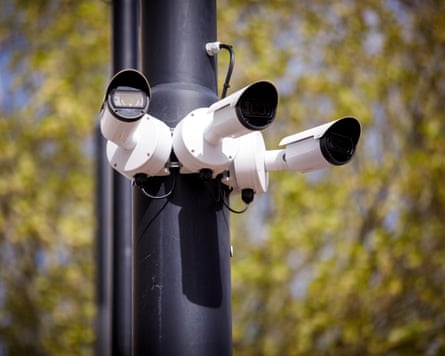
One particularly troubling aspect of the facial recognition technology currently being deployed is its propensity for error. These systems are far from infallible, and studies have documented significant rates of misidentification, particularly among people of color and women. A misidentified shopper could find themselves wrongfully accused of theft, detained, or subjected to heightened scrutiny during future shopping trips. The real-world consequences of algorithmic errors in this context cannot be overstated, as false positives can damage reputations, cause emotional distress, and potentially lead to unwarranted legal complications.
The appeal of facial recognition to retailers is undeniable from a purely commercial perspective. Shoplifting and theft represent substantial losses for stores annually, cutting into profit margins and necessitating increased prices for honest consumers. By implementing AI-powered surveillance systems, retailers believe they can identify repeat offenders, deter potential shoplifters through visible security measures, and respond more quickly to suspicious activity. For major retailers operating hundreds of locations, the prospect of automated, continuous monitoring across all stores presents an attractive solution to a persistent operational challenge.
Law enforcement agencies have similarly embraced facial recognition as a tool for identifying suspects, locating missing persons, and preventing crime. Police departments across various jurisdictions have deployed facial recognition at events, in public spaces, and increasingly at points of sale. Proponents argue that these systems enhance investigative capabilities and can help solve crimes more quickly and efficiently. However, the use of this technology by police has also generated considerable debate among civil rights advocates and privacy organizations who question its accuracy and potential for discriminatory use.
The technical capabilities of modern facial recognition systems continue to improve, yet fundamental accuracy issues persist. Different systems perform at varying levels of reliability, and even the most advanced algorithms struggle with certain demographics. This creates a paradoxical situation where the technology that promises enhanced security may simultaneously introduce new forms of bias and discrimination into retail and law enforcement operations. When a facial recognition system misidentifies a customer, the consequences can range from embarrassing to life-altering depending on the circumstances and how store personnel respond.
Beyond accuracy concerns, there are deeper questions about consent and transparency. Many consumers are unaware that they are being scanned by facial recognition systems when they enter retail stores. Unlike traditional security cameras, which customers generally expect and understand, facial recognition operates largely invisibly, identifying and cataloging individuals without their explicit knowledge or permission. This lack of informed consent raises serious ethical questions about the appropriate bounds of retail surveillance and corporate data collection practices.
The regulatory landscape surrounding facial recognition remains fragmented and underdeveloped in many jurisdictions. While some cities and regions have implemented restrictions on facial recognition use by law enforcement, fewer regulations exist for private sector deployment. This creates a patchwork of protections where citizens may have strong legal safeguards in one location but face extensive biometric monitoring just miles away. As retailers increasingly adopt this technology, the need for coherent regulatory frameworks becomes more urgent and pressing.
Jessica Murray's podcast explores these complex issues in depth, examining both the promises and perils of facial recognition technology in commercial and law enforcement contexts. Through interviews and analysis, the investigation reveals how this powerful technology is reshaping the landscape of public surveillance and raising fundamental questions about privacy, accuracy, and the appropriate balance between security and individual freedoms. The conversation includes perspectives from retailers, law enforcement officials, privacy advocates, and affected individuals who have experienced misidentification or unjust targeting by these systems.
Looking forward, the expansion of facial recognition in retail environments appears inevitable unless significant regulatory barriers are established. Retailers facing competitive pressure and loss prevention challenges will likely continue investing in these technologies, viewing them as necessary tools for modern commerce. However, this trajectory raises important social questions that society must grapple with: What level of surveillance is acceptable in the pursuit of convenience and security? Who has access to the biometric data being collected? How can we ensure that powerful identification technologies are used fairly and accurately across all demographic groups?
The intersection of retail, law enforcement, and facial recognition technology represents one of the defining privacy debates of our era. As these systems become more sophisticated and more widely deployed, the need for informed public discourse, robust regulation, and ethical guidelines becomes increasingly critical. Murray's podcast serves as an important contribution to this conversation, bringing attention to an issue that affects millions of consumers making ordinary purchases in their local communities. The questions raised demand serious consideration from policymakers, business leaders, and citizens alike as we collectively decide what kind of surveillance society we want to inhabit.
The technology itself is neutral, but its application carries profound implications for how we navigate public and commercial spaces. As facial recognition continues its expansion into retail environments and beyond, the onus falls on society to establish appropriate safeguards, demand transparency from corporations and government agencies, and protect the fundamental right to privacy. Through continued investigation, public dialogue, and thoughtful policymaking, we can work toward solutions that harness the benefits of security technology while maintaining essential protections for individual liberty and freedom.
Source: The Guardian


